- Home›
- Healthy Living›
- 14 Proven Health Benefits Of Palak
14 Proven Health Benefits Of Palak
By: Priyanka Maheshwari Wed, 09 Sep 2026 9:58:06
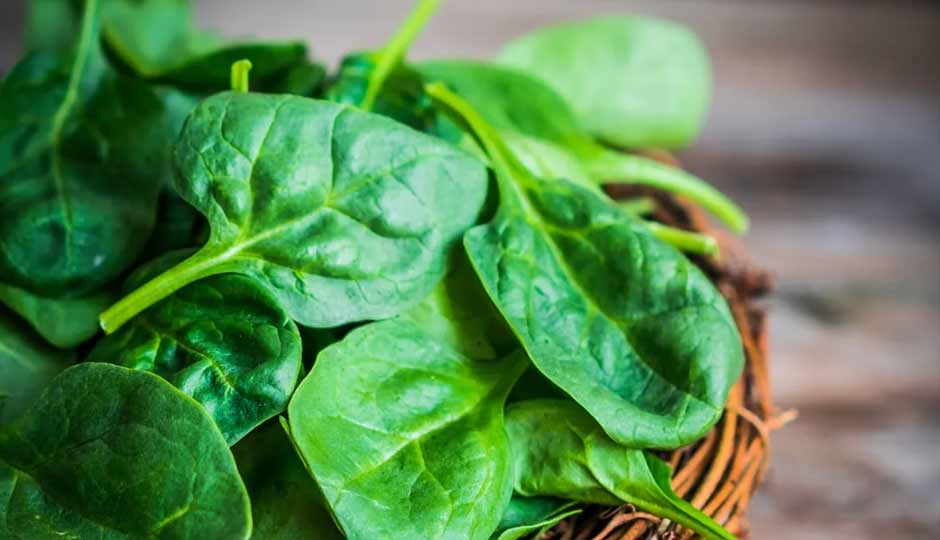
Palak, popularly known as spinach, is one of the most nutritious leafy green vegetables and an excellent addition to a healthy everyday diet. Packed with essential vitamins, minerals, fibre and powerful antioxidants, palak offers a wide range of health benefits while being naturally low in calories. From supporting healthy eyes and strong bones to promoting better digestion and immunity, this humble green vegetable can play an important role in overall well-being.
Palak is particularly valued for nutrients such as iron, folate, vitamins A, C and K, magnesium, potassium and calcium. It also contains plant compounds like lutein and zeaxanthin that are associated with eye health. Whether enjoyed as a simple palak sabzi, dal, soup, smoothie, paratha or palak paneer, adding spinach to your meals is an easy and delicious way to increase your intake of nutrient-rich vegetables.
Regular consumption of palak, as part of a balanced and varied diet, may help support heart health, digestion, healthy blood formation, bone strength and normal immune function. Its combination of nutrients and antioxidants makes it a popular choice for people looking to eat healthier and include more green vegetables in their daily meals.
Palak, or spinach, is one of the most nutritious leafy green vegetables you can include in your daily diet. It is naturally low in calories while providing important nutrients such as iron, folate, vitamin A, vitamin C, vitamin K, magnesium, potassium, calcium, fibre and antioxidants. Whether eaten as palak sabzi, soup, dal, smoothie, or incorporated into dishes such as palak paneer, it can be a simple way to add more nutrients to your meals.
1. Supports Healthy Blood and Red Blood Cell Formation
Palak contains iron and folate, two nutrients involved in the production of healthy red blood cells. Iron is required for haemoglobin, which carries oxygen throughout the body, while folate is important for normal cell division and blood-cell formation.
However, spinach's iron is non-heme iron, which is less readily absorbed than the heme iron found in animal foods. Pairing palak with vitamin-C-rich foods such as lemon, tomatoes, amla or capsicum can improve iron absorption.
2. Promotes Good Eye Health
Spinach is rich in carotenoids such as lutein and zeaxanthin. These compounds accumulate in the retina and are associated with protection against oxidative stress.
It also provides beta-carotene, which the body can convert into vitamin A. Adequate vitamin A is important for normal vision and eye health.
3. Strengthens Bones
Palak provides vitamin K, which plays an important role in normal bone metabolism and blood clotting. It also contains calcium and magnesium, minerals that contribute to maintaining healthy bones.
One important point is that spinach also contains oxalates, which can reduce calcium absorption. Therefore, although palak is nutritious, it should not be considered the sole source of calcium.
4. Helps Support Heart Health
A diet rich in leafy green vegetables can contribute to cardiovascular health. Palak provides potassium, magnesium, fibre and antioxidant compounds, which can support overall heart-friendly nutrition.
Its naturally low calorie and low saturated-fat profile also makes it a useful vegetable for people trying to follow a balanced diet.
5. Supports Digestion
Spinach contains dietary fibre, which helps add bulk to stool and supports regular bowel movements. Including fibre-rich vegetables such as palak as part of a balanced diet can help maintain a healthy digestive system.
For better digestion, increase fibre gradually and drink adequate water.
6. May Help Support Healthy Blood Pressure
Palak contains potassium and magnesium, minerals involved in maintaining normal blood pressure and proper muscle and nerve function.
Its high nitrate content may also contribute to the body's nitric-oxide pathway, which is involved in blood-vessel function. However, eating spinach should complement—not replace—medical treatment for hypertension.
7. Provides Powerful Antioxidants
Spinach contains several antioxidant compounds, including vitamin C, carotenoids and various plant polyphenols. Antioxidants help protect cells from oxidative stress caused by free radicals.
Regularly eating a variety of colourful vegetables is generally more beneficial than relying on a single "superfood."
8. Supports Immunity
Vitamin C, vitamin A precursors, folate and other plant compounds found in palak contribute to normal immune-system function.
A bowl of palak alone cannot prevent infections, but including leafy greens regularly can help provide nutrients needed for a healthy immune response.
9. May Benefit Skin Health
The vitamins and antioxidants in spinach can support healthy skin. Vitamin C contributes to normal collagen production, while carotenoids and other antioxidants help protect cells from oxidative stress.
For healthier skin, palak works best as part of an overall nutritious diet that also provides adequate protein, healthy fats and hydration.
10. Supports Healthy Hair
Palak provides nutrients including folate, iron, vitamin A and vitamin C, which are involved in normal cell function and tissue maintenance.
A deficiency of certain nutrients can contribute to hair problems, but eating extra spinach does not necessarily treat hair loss when the underlying cause is unrelated to diet.
11. Useful for Weight Management
Spinach is low in calories but provides fibre and micronutrients, making it an excellent addition to meals when you're trying to maintain or manage your weight.
You can add palak to dal, soups, vegetable dishes, omelettes, wraps or salads to increase the nutritional value of a meal without adding many calories.
12. Supports Healthy Metabolism
Palak provides several micronutrients—including magnesium, folate and vitamins A, C and K—that participate in normal cellular and metabolic processes.
Eating a varied diet containing vegetables, fruits, whole grains, legumes, nuts and adequate protein is important for overall metabolic health.
13. Good During Pregnancy—With Appropriate Preparation
Folate is particularly important before and during pregnancy because adequate folate intake helps support normal fetal development and reduces the risk of certain neural-tube defects.
Pregnant women can include well-washed and properly cooked palak as part of a balanced diet. However, nutritional needs during pregnancy are higher, so spinach should complement—not replace—prenatal supplements recommended by a healthcare professional.
14. Helps Increase Vegetable Intake
One of the biggest practical benefits of palak is its versatility. You can use it in palak dal, palak soup, palak paratha, palak chilla, palak rice, smoothies and vegetable curries.