- Home›
- Healthy Living›
- 15 Effective Home Remedies To Keep Your Liver Healthy
15 Effective Home Remedies To Keep Your Liver Healthy
By: Priyanka Maheshwari Thu, 20 Aug 2026 10:33:19
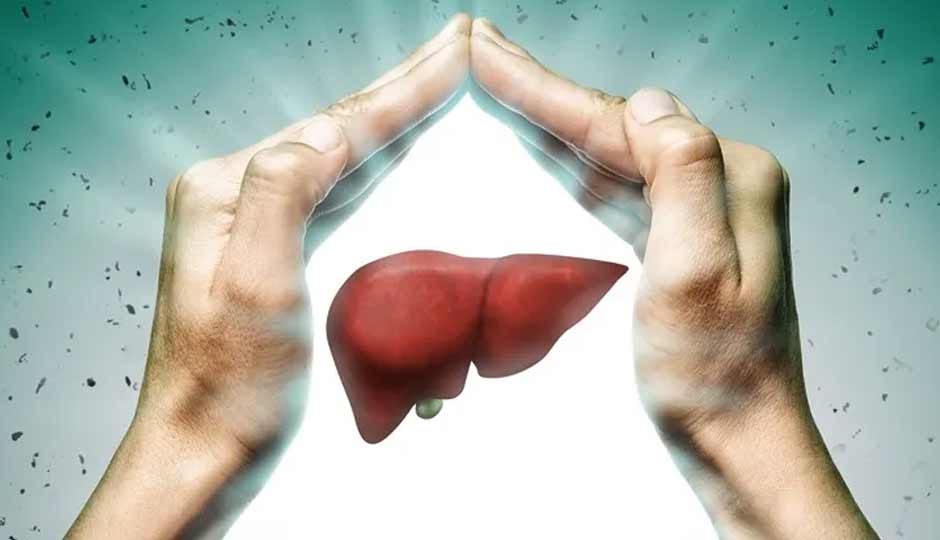
The liver is one of the most important organs in the human body, performing essential functions such as filtering harmful substances from the blood, supporting digestion, storing nutrients, and helping regulate metabolism. Despite its remarkable ability to repair itself, an unhealthy diet, excessive alcohol consumption, obesity, lack of physical activity, and unnecessary use of certain medicines or supplements can put considerable stress on the liver.
Taking care of your liver does not require complicated detox programs or expensive supplements. Simple habits such as eating a balanced diet, staying hydrated, exercising regularly, maintaining a healthy weight, limiting processed and sugary foods, and avoiding excessive alcohol can go a long way toward supporting liver health. In this article, we explore simple and natural ways to take care of your liver and keep it healthy as part of your everyday lifestyle.
Here are practical home remedies and lifestyle habits to support liver health naturally. The liver already has a remarkable ability to repair itself when the underlying cause of stress is removed, so the focus should be on healthy food, weight management, hydration, exercise, and avoiding substances that can damage the liver.
1. Start the day with plain water
Drink a glass of water after waking up. Staying adequately hydrated supports normal metabolism and digestion.
Tip: You do not need lemon water, detox water, or special drinks to “flush” the liver. Plain water is perfectly adequate.
2. Eat more fresh vegetables
Include vegetables such as:
Spinach and other leafy greens
Carrots
Beetroot
Broccoli
Cauliflower
Cabbage
Bottle gourd
Tomatoes
Aim to make vegetables a significant part of your lunch and dinner.
3. Include fruits—but don't overdo fruit juice
Whole fruits provide fiber and nutrients. Good choices include:
Apples
Guava
Oranges
Papaya
Berries
Pomegranate
Prefer whole fruit over packaged or homemade fruit juice, because juice can provide a large amount of sugar without the same amount of fiber.
4. Add fiber-rich foods
Fiber can support metabolic and digestive health. Include:
Oats
Whole wheat
Brown rice
Barley
Beans and lentils
Chana
Vegetables
Whole fruits
Nuts and seeds
5. Choose healthy fats
Instead of repeatedly eating fried foods, use moderate amounts of healthier fats such as nuts, seeds, and vegetable oils.
Good options include:
Walnuts
Almonds
Flaxseeds
Chia seeds
Peanuts
Remember that even healthy fats are calorie-dense, so portion size matters.
6. Drink coffee if it suits you
Interestingly, regular coffee consumption has been associated with better liver outcomes in many studies.
If you tolerate coffee, unsweetened or minimally sweetened coffee can be included as part of a healthy diet. You don't need to add butter, special oils, or “detox” ingredients.
7. Avoid or minimize alcohol
Alcohol is one of the most important things to limit if you want to protect your liver.
If you already have fatty liver, elevated liver enzymes, hepatitis, or another liver condition, discuss alcohol use with your doctor rather than assuming a small amount is safe.
8. Reduce sugar and sugary drinks
Excessive added sugar—especially from sweetened beverages—can contribute to weight gain and metabolic problems associated with fatty liver.
Limit:
Soft drinks
Packaged fruit drinks
Energy drinks
Sweetened tea/coffee
Excess sweets
Cakes and pastries
9. Reduce fried and highly processed foods
Try to replace frequent consumption of:
Deep-fried snacks
Chips
Fast food
Processed meats
Highly processed packaged foods
with home-cooked meals containing vegetables, whole grains and adequate protein.
10. Maintain a healthy weight
If you are overweight and have fatty liver, gradual weight loss can significantly improve liver fat.
Avoid crash diets and prolonged starvation. A sustainable eating pattern combined with physical activity is safer and more effective.
11. Exercise regularly
Aim for approximately 150 minutes of moderate physical activity per week, such as brisk walking, cycling or swimming, along with some strength training.
Even a 30-minute brisk walk most days is a good starting point.
12. Get enough protein
Protein is important for maintaining muscle and overall metabolic health. Include foods such as:
Dal
Beans
Chana
Paneer
Curd
Eggs
Fish or lean meat, if you eat them
Nuts and seeds
13. Be careful with herbal “liver detox” remedies
This is particularly important. Natural does not automatically mean liver-safe.
Avoid taking concentrated herbal supplements or “liver detox” products without medical advice. Some herbal products have actually been associated with liver injury.
Common kitchen foods such as turmeric used normally in cooking are very different from high-dose concentrated supplements.
14. Don't take unnecessary painkillers or supplements
Some medicines and supplements can affect the liver, particularly when taken in excessive amounts or combined with other substances.
Do not exceed recommended doses, especially with medicines containing paracetamol/acetaminophen. If you regularly take medicines or supplements, ask your doctor or pharmacist whether they are appropriate for you.
15. Maintain good food hygiene
Certain forms of viral hepatitis can spread through contaminated food and water. Wash produce properly, use safe drinking water, and maintain good hand and kitchen hygiene.