- Home›
- Healthy Living›
- 15 Home Remedies To Treat Indigestion Naturally
15 Home Remedies To Treat Indigestion Naturally
By: Priyanka Maheshwari Wed, 19 Aug 2026 11:20:31
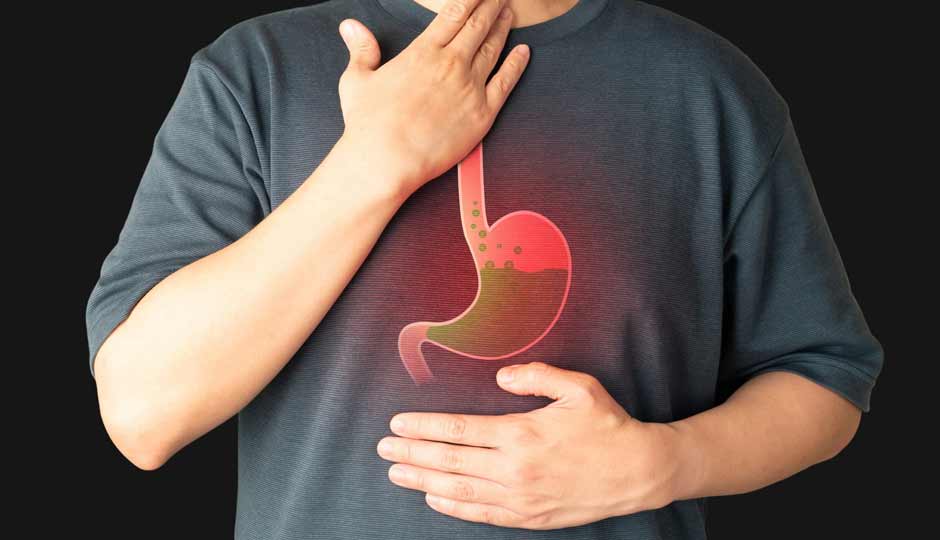
Indigestion, medically known as dyspepsia, is a common digestive problem that can cause discomfort in the upper abdomen. It may occur after eating a heavy meal, eating too quickly, consuming spicy or oily foods, or lying down soon after eating. Common symptoms include bloating, stomach fullness, belching, nausea, abdominal discomfort, and a burning sensation.
Occasional indigestion is usually mild and can often be managed with simple changes in eating habits and lifestyle. Staying hydrated, eating smaller portions, avoiding foods that trigger symptoms, and taking a gentle walk after meals may help support comfortable digestion. However, frequent or persistent indigestion should not be ignored, as it can sometimes be linked to an underlying digestive condition.
For occasional, mild indigestion, some simple home measures can help relieve discomfort and support better digestion.
1. Drink Warm Water
Warm water can be a simple way to soothe an uncomfortable stomach. Sip it slowly rather than drinking a large quantity at once.
How to use:
Take a glass of comfortably warm water.
Sip it slowly after experiencing indigestion.
Avoid drinking extremely hot water.
2. Try Ginger Tea
Ginger has traditionally been used to support digestion and may be particularly useful when indigestion is accompanied by nausea or a feeling of fullness.
How to prepare:
Add 4–5 thin slices of fresh ginger to 1 cup of water.
Simmer for about 5–10 minutes.
Strain and drink warm.
You can have it between meals or after food if it suits you.
Avoid excessive ginger if it tends to worsen your heartburn.
3. Chew Fennel Seeds (Saunf)
Fennel seeds are traditionally consumed after meals to freshen the mouth and support digestion. They may also help with gas and bloating.
How to use:
Chew about ½–1 teaspoon of fennel seeds slowly after a meal.
You can also prepare mild fennel tea by steeping the seeds in hot water.
4. Try Ajwain (Carom Seeds)
Ajwain is a popular traditional Indian remedy for gas and digestive discomfort.
Ajwain water:
Take about ½ teaspoon of ajwain.
Boil it in 1 cup of water for a few minutes.
Strain and allow it to cool slightly.
Sip slowly.
Don't consume large quantities, particularly if spicy foods tend to aggravate your acidity.
5. Eat Smaller Meals
Overeating can put additional pressure on the digestive system and may contribute to indigestion and acid reflux.
Instead of eating one or two very heavy meals:
Choose smaller portions.
Eat slowly.
Chew food thoroughly.
Stop eating when you feel comfortably full.
6. Take a Gentle Walk After Eating
A gentle 10–15-minute walk after a meal can be preferable to immediately lying down. Light physical activity may help reduce the feeling of heaviness and bloating.
Avoid vigorous exercise immediately after eating.
7. Don't Lie Down Immediately After Meals
Lying down soon after eating can worsen indigestion and reflux symptoms.
Try to remain upright for approximately 2–3 hours after a large meal, particularly if you experience heartburn.
If nighttime reflux is a problem, elevating the head of your bed can also help.
8. Reduce Spicy and Fried Foods
Spicy, oily and high-fat foods can trigger indigestion or heartburn in some people.
For a few days, try limiting:
Deep-fried foods
Very spicy curries
Excessively fatty meals
Heavy gravies
Large portions of sweets
Carbonated beverages
Keep meals relatively light until your symptoms settle.
9. Limit Tea and Coffee if They Trigger Symptoms
Caffeine can aggravate heartburn or digestive symptoms in some individuals.
If you notice that tea or coffee makes your indigestion worse, reduce the quantity or temporarily avoid it.
10. Avoid Carbonated Drinks
Soft drinks and other carbonated beverages can increase gas and belching in some people.
Choose water or another non-carbonated beverage instead, especially while experiencing bloating.
11. Eat Slowly and Avoid Swallowing Excess Air
Eating too quickly can contribute to bloating and discomfort.
Try to:
Take smaller bites.
Chew thoroughly.
Avoid gulping food.
Avoid talking continuously while chewing.
Limit chewing gum if it makes you swallow more air.
12. Keep a Food-Symptom Diary
If indigestion happens frequently, identify foods that appear to trigger it.
For several days, note:
Food → quantity → time eaten → symptoms
You may discover that particular foods, large meals, caffeine, spicy foods or late-night eating are associated with your symptoms.
13. Choose Light Foods During an Episode
When your stomach feels particularly uncomfortable, temporarily choosing simpler meals may be easier to tolerate.
Depending on your individual tolerance, options can include:
Plain rice
Light khichdi
Toast
Banana
Oatmeal
Simple soups
Avoid forcing yourself to eat a large meal when you feel excessively full.
14. Manage Stress
Stress and anxiety can affect the digestive system and may worsen symptoms in some people.
Simple measures such as:
Deep breathing
Gentle stretching
Meditation
A relaxing walk
Adequate sleep
may help if stress appears to trigger your indigestion.
15. Maintain a Healthy Eating Routine
Irregular eating, frequent overeating and very late dinners can contribute to digestive discomfort.
A good routine includes:
Regular meals
Moderate portions
Adequate water intake
Plenty of dietary fibre from foods you tolerate
Regular physical activity
Sufficient sleep