- Home›
- Healthy Living›
- 20 Tips To Enjoy Sweets During Festivals Without Causing High Blood Sugar Spikes
20 Tips To Enjoy Sweets During Festivals Without Causing High Blood Sugar Spikes
By: Priyanka Maheshwari Sat, 26 Sep 2026 9:35:59
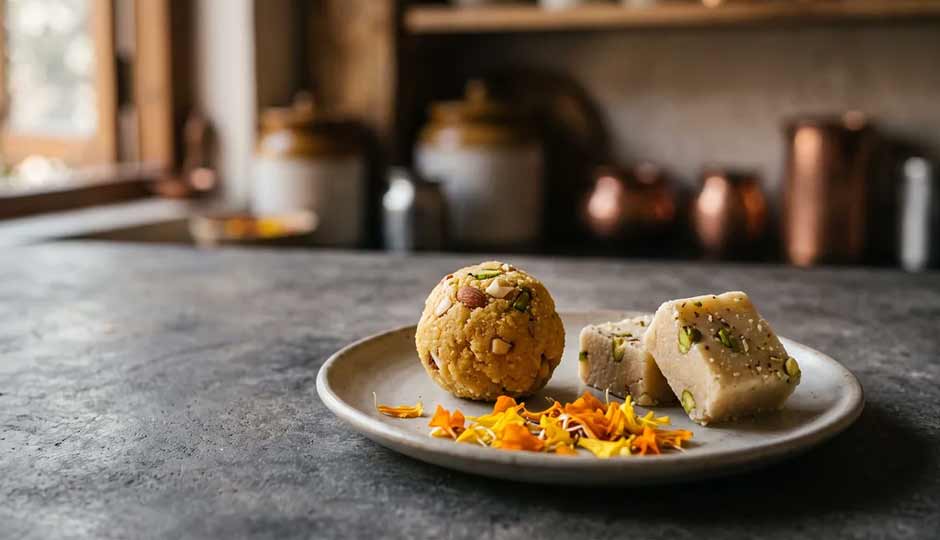
Festivals in India are incomplete without traditional sweets such as laddoos, barfi, gulab jamun, jalebi and kheer. While these treats can be enjoyed as part of festive celebrations, sweets that are high in added sugar and refined carbohydrates can cause blood glucose levels to rise quickly, particularly when eaten in large portions or on an empty stomach. The good news is that you do not necessarily have to avoid festive sweets completely. Making mindful choices about portion size, timing, combinations and overall meals can help reduce the impact on blood sugar.
Here are some practical tips to enjoy festive sweets more mindfully:
1. Keep Your Portion Small
One of the simplest ways to enjoy sweets without consuming excessive sugar is to control the portion.
Instead of eating several pieces of different sweets, choose one small serving of your favourite sweet and enjoy it slowly. A few mindful bites can satisfy a craving without turning a small treat into a large sugar load.
If you want to sample several varieties, consider taking very small portions of each rather than eating full-sized pieces.
2. Avoid Eating Sweets on an Empty Stomach
Eating a large sugary food when you are very hungry may lead to consuming more than you intended. It can also produce a faster rise in blood glucose, particularly when the sweet is primarily made from sugar and refined flour.
Try having your sweet after or alongside a balanced meal containing vegetables, protein and fibre rather than making sweets the first food you eat.
3. Combine Sweets With Protein or Fibre-Rich Foods
Protein and fibre can slow digestion and help make a meal more satisfying.
During festivals, pair a small sweet with foods such as:
Nuts and seeds
Plain curd
Roasted chana
Sprouts
Vegetables
Dal
Paneer
Other protein-rich foods
This doesn't cancel out the sugar in the sweet, but a balanced meal can help avoid relying on sweets alone for calories and carbohydrates.
4. Choose Traditional Sweets Mindfully
Not all sweets have the same ingredients or carbohydrate content. Many traditional Indian sweets contain combinations of sugar, refined flour, milk solids, nuts, ghee or other ingredients.
When choosing sweets, consider options containing nuts, seeds or milk-based ingredients and pay attention to portion size. However, remember that ingredients such as nuts and ghee may add calories even when a sweet contains less sugar.
The key is not simply choosing a particular "healthy" sweet but eating a reasonable quantity.
5. Limit Sugary Drinks Along With Sweets
One of the easiest ways to unintentionally consume a large amount of sugar during festivals is to combine sweets with sugary beverages.
If you have a sweet, consider choosing:
Water
Unsweetened tea
Unsweetened coffee
Plain sparkling water
Unsweetened lemon water
Avoid making soft drinks, packaged fruit juices or heavily sweetened festive beverages a regular accompaniment to desserts.
6. Don't Turn One Sweet Into an All-Day Treat
Festival celebrations can sometimes mean eating sweets repeatedly throughout the day—one at breakfast, another with tea, another after lunch and more during evening gatherings.
Instead, decide in advance when you want to enjoy your dessert. Having one planned serving can make it easier to avoid continuous snacking.
7. Take a Walk After Eating
A gentle walk after a meal can be a useful way to incorporate physical activity into your festive routine. Muscle activity uses glucose for energy, which can help with post-meal blood glucose management.
Even a short, comfortable walk after eating may be preferable to immediately sitting or lying down.
People with diabetes should follow their healthcare professional's advice about exercise, particularly if they use insulin or medicines that can cause low blood sugar.
8. Don't Skip Meals to "Save Calories" for Sweets
Skipping breakfast or lunch so that you can eat more sweets later may backfire by making you extremely hungry.
You may then find it harder to control portions at the festive gathering.
Instead, maintain your usual meal pattern and focus on balanced meals containing:
Vegetables
Protein
Whole grains or other high-fibre carbohydrates
Healthy fats in moderate amounts
9. Eat Slowly and Enjoy Every Bite
Festive eating is also about enjoyment, not just nutrition.
Rather than eating sweets quickly while talking or watching television, sit down and savour them. Notice the flavour, texture and aroma.
Eating slowly gives you more time to recognise when you are satisfied and can make a smaller portion feel more enjoyable.
10. Be Careful With "Sugar-Free" Sweets
The label "sugar-free" does not automatically mean "blood-sugar-free" or calorie-free.
Some sugar-free sweets may contain carbohydrates from milk solids, flour, dates, starches or other ingredients. Certain sugar alcohols can also cause digestive discomfort when consumed in larger amounts.
Check the ingredients and nutrition information when available rather than assuming that a sugar-free sweet can be eaten without portion control.
11. Prefer Whole Fruit Over Fruit-Based Desserts
Fruit is naturally sweet but also provides fibre, vitamins and minerals. During festivals, consider having a serving of whole fruit instead of another sugary dessert when you want something sweet.
Whole fruit is generally preferable to fruit juice because the intact fruit retains its fibre.
12. Watch Hidden Sources of Sugar
Festive meals can contain more added sugar than you realise. Apart from mithai, sugar may appear in:
Sweetened beverages
Flavoured yoghurt
Desserts
Sauces
Sweet chutneys
Packaged snacks
Sweetened tea and coffee
Reducing these additional sources can leave more room for an occasional small dessert.
13. Stay Hydrated
Drink enough water throughout the day. Thirst can sometimes be confused with hunger, especially during busy celebrations.
Water should be your primary beverage, particularly when the food table already contains several sugary options.
14. Don't Feel That You Have to Try Everything
Festivals often involve multiple boxes of sweets from family, friends and colleagues. You may be offered several varieties throughout the day.
You can politely say no when you are already satisfied. Alternatively, choose one sweet that you genuinely enjoy instead of eating something simply because it is available.
15. Plan Ahead for Festival Gatherings
If you know you are attending a celebration in the evening, think about your meals earlier in the day.
A balanced breakfast and lunch with adequate protein and fibre can help you arrive at the gathering feeling satisfied rather than extremely hungry.
Planning also makes it easier to decide how much dessert you want before you start eating.
16. Maintain Your Usual Physical Activity
Festivals can disrupt normal routines, but try to continue your regular physical activity where possible.
Walking, household activities, dancing or your usual exercise routine can help you stay active during the festive season.
Avoid using exercise as a way to "earn" or "cancel out" sweets. Instead, view physical activity as a normal part of maintaining overall health.
17. If You Have Diabetes, Monitor Your Blood Glucose
People living with diabetes may respond differently to the same food. If you regularly monitor your blood glucose, festive occasions can provide useful information about how particular foods and portions affect you.
Follow the monitoring schedule recommended by your healthcare professional, and don't change diabetes medication simply because you have eaten sweets unless your clinician has provided instructions for doing so.
18. Focus on the Overall Pattern, Not One Sweet
A single small festive dessert does not define your overall diet.
Instead of thinking, "I ate a sweet, so I have ruined my diet," return to your normal balanced eating pattern at the next meal.
The goal is moderation and consistency, rather than completely eliminating foods that you enjoy.
19. Make Healthier Versions at Home
If you are preparing sweets yourself, you can experiment with recipes that use less added sugar and include ingredients such as:
Nuts
Seeds
Unsweetened coconut
Milk or unsweetened dairy ingredients
Whole grains
Fresh fruit
Reducing sugar can change the texture and taste of traditional recipes, so adjust gradually and remember that homemade sweets can still contain substantial carbohydrates and calories.
20. Remember That Portion Size Matters Most
There is no single festive sweet that guarantees a small blood sugar response. The effect depends on the type and quantity of carbohydrate, the rest of the meal, activity, and individual metabolism.
Therefore, rather than searching for a completely "safe" sweet, focus on the bigger picture:
Small portion + balanced meal + mindful eating + physical activity + moderation.