- Home›
- Healthy Living›
- 5 Common Things Parents Should Never Put In A Child's Eye
5 Common Things Parents Should Never Put In A Child's Eye
By: Priyanka Maheshwari Sat, 26 Sep 2026 9:36:05
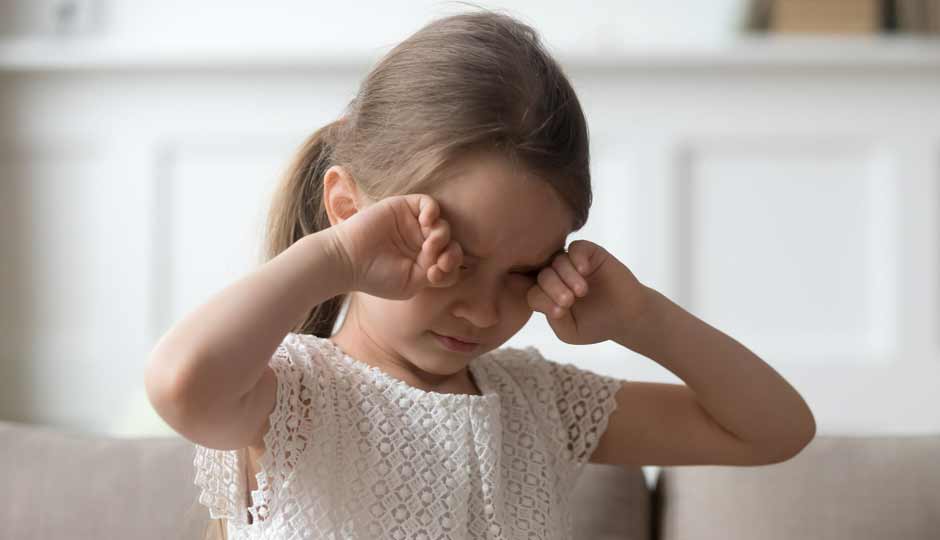
When a child suddenly starts crying, rubbing their eye and saying that something has entered it, parents often react immediately. They may try to wash the eye, wipe it or apply something they believe will provide relief. While the instinct to comfort the child is natural, some commonly used home remedies and first-aid measures can actually worsen an eye injury.
Common Things Parents Should Never Put in a Child’s Eye
# Avoid putting breast milk, honey or other home remedies in the eye
Breast milk, honey and other home remedies are sometimes suggested because they are considered natural or soothing. However, an injured or irritated eye is particularly vulnerable to contamination. Substances that have not been specifically prepared and tested for ophthalmic use should not be placed in the eye.
The same precaution applies to rose water, herbal preparations and other homemade mixtures. These substances may cause additional irritation or introduce microorganisms to an already damaged or vulnerable eye surface, warned Dr.
# Do not use leftover eye drops without medical advice
Parents should avoid using eye drops prescribed for another family member when a child develops an eye injury or irritation.
"Different eye drops are designed for different conditions. Some contain antibiotics, others help control inflammation, while certain formulations contain steroids. Steroid-containing eye drops should never be used without an ophthalmologist's recommendation because they can worsen some infections and may interfere with the healing process," explained Dr Kandoi.
Even over-the-counter drops intended to reduce redness should not be considered appropriate first aid for an injured eye.
# Never remove an embedded object with fingers or tweezers
If a child gets a loose particle such as dust, sand or an eyelash in the eye, gentle rinsing with clean water may help remove it. However, if an object appears to be embedded in the eye, especially if it is sharp, parents should not attempt to pull it out themselves.
Parents may understandably want to remove the object quickly to relieve their child's discomfort. However, trying to manipulate an embedded foreign body can cause additional damage to the cornea. If the injury has penetrated the eye, attempting to remove the object can result in even more serious complications.
A suspected penetrating eye injury requires immediate ophthalmic assessment, advised Dr Kandoi.
# Do not let the child rub the eye
Although stopping a child from rubbing their eye can be challenging, it is one of the most important precautions to take. Rubbing may turn a minor irritation caused by a tiny particle into a corneal abrasion. It can also move a foreign body across the surface of the eye and potentially cause further injury.
If the child is able to cooperate, encourage them to keep the affected eye closed until it can be gently rinsed.
For a small, loose particle such as dust or sand, the eye can be flushed carefully with clean water. However, if pain, watering, excessive blinking or the sensation of something being stuck continues after rinsing, the child should be examined by a medical professional rather than repeatedly attempting to remove the particle at home.
# If a chemical enters the eye, do not wait to find the right eye drops
A chemical splash is an eye emergency where immediate action is more important than finding a particular eye drop.
"If a household cleaner, detergent, cosmetic or any other chemical splashes into a child's eye, immediately begin flushing the eye with plenty of clean running water or saline. Never attempt to neutralise an acid with an alkaline substance or an alkaline chemical with an acid. The priority is to dilute and remove the chemical, not to counteract it with another substance," said Dr.
Continue flushing the eye while arranging urgent medical care. If possible, carry the product container or note down the product's name and ingredients when seeking treatment. Knowing exactly which chemical entered the eye can help doctors determine the appropriate treatment.
Chemical eye injuries can cause serious damage to the cornea, and starting irrigation as quickly as possible can help reduce the risk of complications.
When Should Parents Stop Treating It as a Minor Eye Injury?
Some eye injuries may appear minor initially but require professional evaluation if symptoms persist or become more severe.
"Persistent pain, significant redness, sensitivity to light, excessive watering, difficulty opening the eye, reduced or blurred vision, bleeding, swelling following significant trauma, or the continued sensation that something is stuck in the eye all require medical assessment," warned Dr Kandoi.
A high-speed impact, injury involving a sharp object or any suspicion that the eyeball has been penetrated should be considered an emergency and assessed immediately.
Parents should also exercise extra caution with younger children, as they may not be able to clearly communicate changes in their vision or describe the extent of their discomfort. When in doubt, it is safer to have the child's eye examined by an eye-care professional rather than repeatedly attempting home treatment.