- Home›
- Healthy Living›
- 5 Major Health Side Effects Of Mold Exposure
5 Major Health Side Effects Of Mold Exposure
By: Jhanvi Gupta Thu, 31 Jul 2025 8:08:34

While most of us worry about outdoor air pollution, the air inside our homes can be just as harmful—especially when mold is present.
Airborne microbial contaminants, like mold spores, can enter your lungs as you breathe. Mold is a type of fungus that thrives in damp, moist conditions. While it isn’t typically fatal, long-term exposure can lead to serious health problems.
Mold plays a natural role in breaking down organic matter, which is why it commonly grows on dead trees. However, in homes with high humidity or poor ventilation, mold can start forming on walls and other surfaces.
Health Risks of Mold Exposure
-1753871086-lb.webp)
# Asthma Attacks
Mold and damp environments can trigger asthma attacks, particularly in individuals who already have respiratory conditions. Those with sinusitis or other lung-related issues may experience worsening symptoms when exposed to mold.
# Allergic Reactions
Mold exposure can cause a range of allergic symptoms such as sore throat, coughing, sneezing, itchy eyes, headaches, fatigue, and a runny nose. In some cases, it may also cause skin rashes.
# Toxic Effects
Certain molds release harmful chemicals called mycotoxins. Simply touching mold or breathing air from mold-infested areas can negatively impact your health.
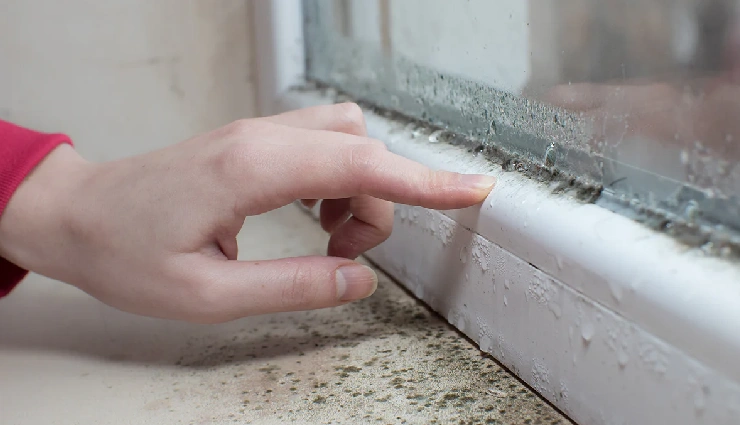
# Black Mold
Black mold, in particular, is known to pose severe health risks—especially to infants. However, experts caution that all types of mold can be harmful to your well-being.
# Infections
People with weakened immune systems are at risk of developing infections like pulmonary aspergillosis. Mold-related microorganisms can damage the lungs and further compromise immunity.

How to Prevent Mold Growth
Tip 1: Control Moisture
Reducing moisture in your home is key to preventing mold. Address any visible mold growth on walls or furniture immediately.
Tip 2: Maintain Dry Conditions
Use a dehumidifier or air conditioner to keep humidity levels low. Repair any leaks or water seepage, ensure proper ventilation, and clean regularly.
Tip 3: Safe Cleaning Practices
Wear gloves and clean moldy areas with soapy water. For extensive mold infestations, consider hiring professional mold remediation services. If you’re experiencing allergic symptoms, consult a doctor promptly.