
- Home›
- Healthy Living›
- 5 Reasons Why Your Feet Go Numb Quickly
5 Reasons Why Your Feet Go Numb Quickly
By: Priyanka Maheshwari Tue, 15 Sep 2026 10:24:04
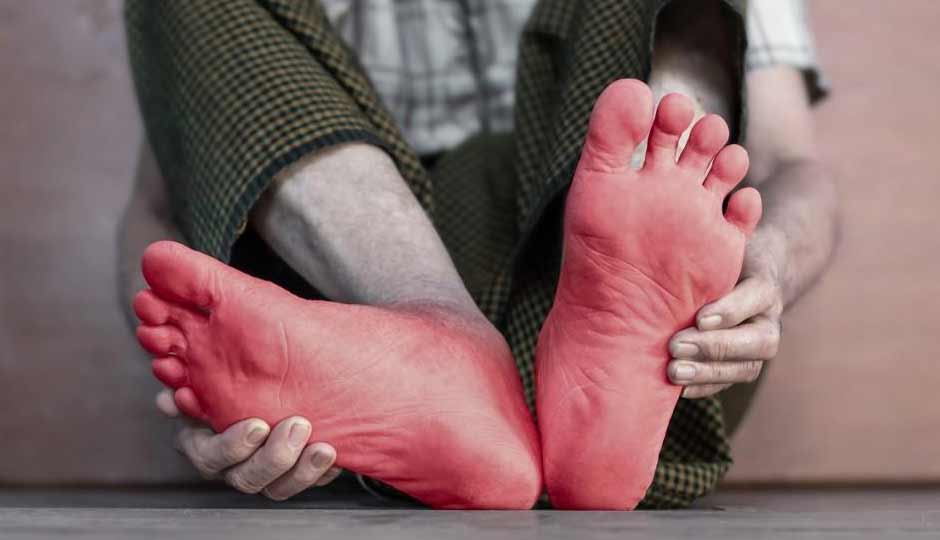
If you have ever experienced sudden numbness in your feet, you know how strange and uncomfortable it can feel. It may seem as though your feet have temporarily “disappeared” because you cannot feel them properly. While occasional numbness may be harmless and linked to something as simple as sitting in one position for too long, persistent or recurring numbness should not be ignored.
Numbness or a tingling sensation in the feet can occur for several reasons, ranging from temporary pressure on a nerve to underlying medical conditions. Injuries, restricted blood circulation, prolonged sitting or standing, and certain health conditions can all contribute to this uncomfortable sensation. For instance, sitting with your legs crossed for an extended period can put pressure on nerves and temporarily affect blood flow, causing your feet to feel numb or “pins and needles.”
If the numbness continues, becomes more frequent, worsens over time, or is accompanied by other symptoms, it is important to consult a doctor. Identifying the underlying cause early can help prevent potential complications.
In this article, we explore five common reasons why your feet may become numb quickly. Take a look.
1. Pinched Nerves
A pinched or compressed nerve can cause numbness, tingling or a prickling sensation in the feet. Nerve compression may occur because of conditions such as a herniated disc or spinal stenosis, where pressure on the nerves in the lower back can affect sensation in the legs and feet.
2. Poor Blood Circulation
Reduced blood flow to the legs and feet can also result in numbness or tingling. Circulatory problems may be associated with conditions such as peripheral artery disease, blood clots or varicose veins. If you frequently experience cold feet, pain, skin colour changes or persistent numbness along with these symptoms, medical evaluation is recommended.
3. Prolonged Sitting or Standing
Remaining in the same position for a long time can temporarily compress nerves or restrict circulation, causing your feet to become numb. This is particularly common during long flights, extended car journeys or periods of sitting at a desk. Standing in one position for prolonged periods may also contribute to discomfort and altered sensation.
Changing positions regularly, stretching your legs and taking short walking breaks can help reduce temporary numbness caused by prolonged inactivity.
4. Injury
An injury involving the legs, ankles or feet can affect the nerves and lead to numbness or tingling. Fractures, sprains and other forms of trauma may cause swelling or pressure around the nerves, temporarily affecting sensation. Persistent numbness following an injury should be evaluated by a healthcare professional.
5. Underlying Medical Conditions
Certain medical conditions can affect the nerves and cause numbness in the feet. Diabetes is one of the more common causes, as prolonged high blood sugar can damage peripheral nerves. Other conditions, including peripheral neuropathy and multiple sclerosis, may also cause numbness or altered sensation in the legs and feet.
When Should You See a Doctor?
Occasional numbness that occurs after sitting or sleeping in an awkward position may resolve once you move around and restore normal circulation. However, frequent, persistent or worsening numbness should be discussed with a doctor.
Seek medical attention if numbness is accompanied by severe pain, weakness, difficulty walking, loss of bladder or bowel control, significant swelling, or sudden symptoms affecting one side of the body.
Numbness in the feet can have many possible causes, from temporary nerve pressure and prolonged sitting to circulation problems, injuries and underlying health conditions. While occasional numbness may not be a cause for concern, recurring or persistent symptoms deserve medical attention.
Understanding the possible reasons behind numb feet can help you recognise when the sensation is temporary and when it may be a sign that you need professional medical advice.