- Home›
- Healthy Living›
- 6 Ayurvedic Remedies That Help To Increase Hemoglobin
6 Ayurvedic Remedies That Help To Increase Hemoglobin
By: Priyanka Maheshwari Thu, 12 Feb 2026 10:15:00
According to estimates by the World Health Organization (WHO), more than 30 percent of the global population is affected by anaemia, with iron deficiency being the leading cause in most cases.
Let’s begin by understanding what anaemia actually is.
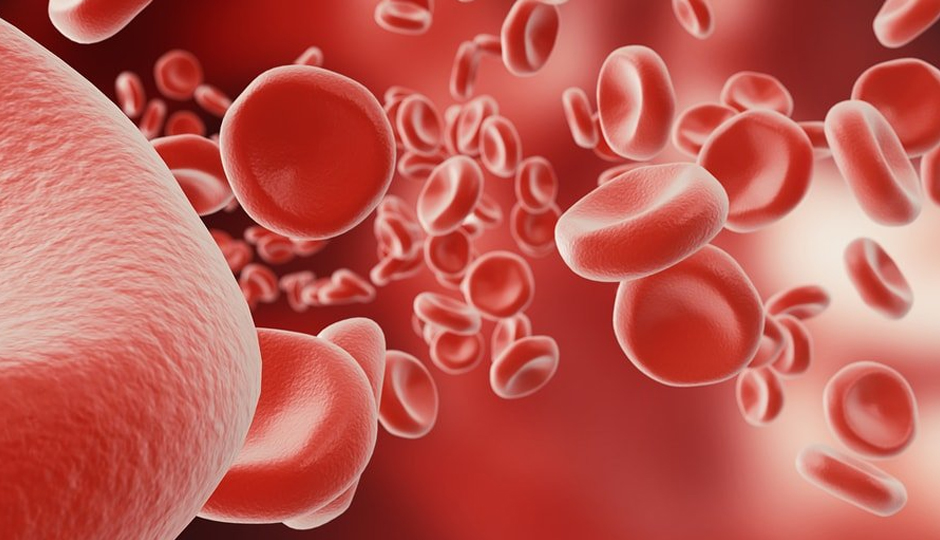
Haemoglobin is an iron-rich protein found in red blood cells (RBCs). Its primary function is to transport oxygen from the lungs to various parts of the body and carry carbon dioxide (CO₂) back to the lungs for elimination.
Maintaining healthy haemoglobin levels is essential for the body to function properly. Normal haemoglobin levels typically range between 14–18 mg/dl in men and 12–16 mg/dl in women. When haemoglobin levels drop, a person may experience symptoms such as fatigue, weakness, shortness of breath, pale skin, reduced appetite, and a rapid heartbeat.
If the haemoglobin level falls significantly below normal, the condition is referred to as anaemia.
Several factors can contribute to low haemoglobin levels, including pregnancy, heavy menstrual bleeding, deficiencies of iron, folic acid, or vitamin B12, frequent blood donation, bone marrow disorders, cancer, and diseases affecting the digestive tract.
Ayurveda emphasizes the use of natural herbs to restore balance and treat various health conditions. Here are some Ayurvedic herbs and natural remedies that are traditionally believed to help improve haemoglobin levels:
# Amla
Though its tangy taste may not appeal to everyone, amla (Indian gooseberry) is considered beneficial for boosting haemoglobin. It is rich in iron, vitamin C, and essential minerals, which support iron absorption and help restore normal haemoglobin levels. It is often recommended to consume amla on an empty stomach, about 30–45 minutes before meals.
# Guggul
Mentioned in classical Ayurvedic texts like the Charak Samhita, guggul is valued for its therapeutic properties. It is believed to support overall vitality and may help in managing low haemoglobin and anaemia. Known for its antioxidant and rejuvenating qualities, guggul is also used in managing conditions such as bloating, PMS, and arthritis.
# Haritaki
Haritaki is regarded as a powerful Ayurvedic herb with multiple health benefits. It is traditionally used in cases of red blood cell and haemoglobin deficiency. When combined with honey and ghee, it is considered a supportive remedy for improving haemoglobin levels.
# Ashwagandha
Ashwagandha is well-known for its adaptogenic properties in Ayurvedic literature. It contains iron and is believed to help support healthy RBC and WBC counts as well as haemoglobin levels. Additionally, it acts as an antioxidant and is considered beneficial for overall blood health.
# Manjishtha
Low haemoglobin levels may sometimes be associated with toxin buildup in the blood due to factors such as poor diet, smoking, weak liver function, or low immunity. Ayurveda recommends manjishtha as a blood-purifying herb. Its astringent and antibacterial properties are believed to help cleanse the blood and support healthy haemoglobin levels.
# Beetroot
Beetroot is widely recommended in Ayurveda for revitalizing the body. It is rich in iron, folic acid, magnesium, phosphorus, and other essential nutrients. By nourishing the body and supporting iron levels, beetroot may help improve haemoglobin concentration naturally.