6 Items You Should Never Put Inside A Mircrowave
By: Priyanka Maheshwari Thu, 12 Feb 2026 10:14:52
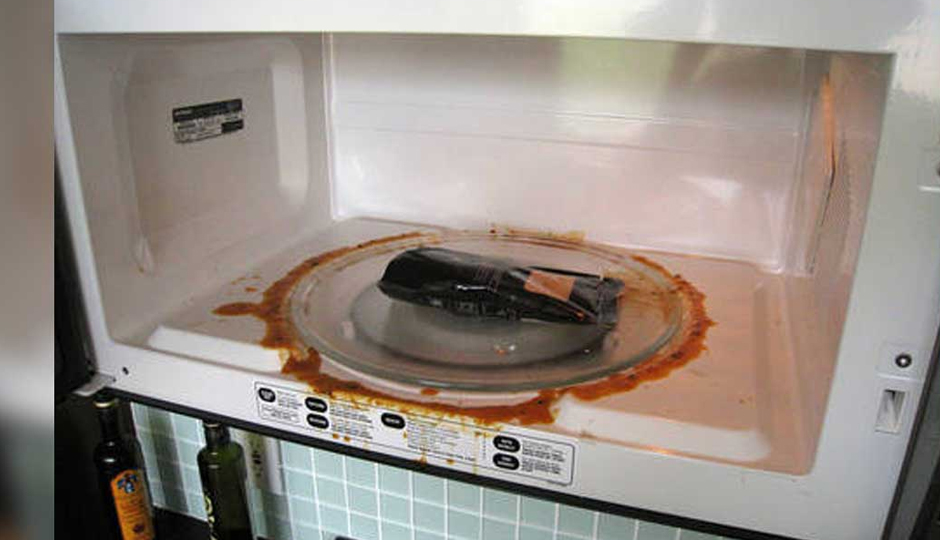
Ah, the microwave. The undisputed MVP of the kitchen. It’s quick, it’s convenient, and honestly, it feels like wizardry when hunger hits hard. We’ve all had that moment—standing in front of the fridge, hoping something, anything, can be transformed into a hot, comforting meal in under five minutes.
Now picture this: you’re about to reheat leftover biryani. You’re hungry, slightly impatient, and you forget to remove that shiny spoon. Suddenly, your microwave turns into a tiny fireworks arena.
Here’s your friendly reminder: metal and microwaves do not get along. They spark, they can start fires, and they can wreck both your food and your appliance. So unless you’re intentionally staging a dramatic light show, keep metal far away from your microwave.
To keep your kitchen safe and stress-free, here are five things you should never put in a microwave. These items can cause accidents, damage your appliance, or even pose health risks.
# Aluminum Foil
Even though it’s commonly used in kitchens, aluminum foil should never go into the microwave. Because it’s metal, it can cause arcing and sparks, potentially leading to a fire or serious damage to the oven. The U.S. Food and Drug Administration (FDA) has highlighted the risks of exposing metal to microwave energy, reinforcing the rule: no foil inside the microwave.
# Plastic Containers Not Labeled “Microwave-Safe”
Not all plastics are safe to heat. Some can release harmful chemicals when exposed to high temperatures. Research published in Environmental Health Perspectives suggests that certain plastics may leach endocrine-disrupting chemicals into food when heated. Always check for a “microwave-safe” label and avoid plastics with recycling codes #3 (PVC) and #7 (other, including polycarbonate).
# Styrofoam Containers
That convenient takeaway box? It doesn’t belong in the microwave. Styrofoam can melt under heat and potentially release harmful chemicals into your food. The U.S. Environmental Protection Agency (EPA) identifies styrene, a component of styrofoam, as a possible human carcinogen. When reheating leftovers, transfer them to microwave-safe glass or ceramic containers instead.
# Eggs in Their Shell
Microwaving a whole egg in its shell is practically inviting an explosion. As the egg heats up, steam builds inside the shell with nowhere to escape. The pressure eventually causes it to burst, creating a messy (and possibly dangerous) situation. Research published in the Journal of Food Science explains that this pressure buildup is the reason behind those dramatic egg explosions.
# Hot Peppers
Microwaving hot peppers can release capsaicin into the air as vapor. Once you open the microwave door, that spicy mist can hit your eyes and lungs, causing irritation or breathing discomfort. A study in the Journal of Analytical Toxicology cautions against heating hot peppers in enclosed spaces for exactly this reason. It’s basically like accidentally pepper-spraying yourself.
# Metal (In Any Form)
It’s worth repeating: metal reflects microwaves instead of absorbing them. If the metal has sharp edges or points, it can create electrical arcs—those dramatic sparks you definitely don’t want. In addition to fire risks, metal objects can become extremely hot and potentially release harmful substances.
The microwave is a brilliant time-saver, but only when used wisely. By being mindful about what goes inside, you can enjoy quick, convenient meals without turning your kitchen into a hazard zone. A little awareness goes a long way toward keeping both your appliance—and your dinner—safe.