
- Home›
- Healthy Living›
- 6 Home Remedies To Treat Genital And Oral Herpes
6 Home Remedies To Treat Genital And Oral Herpes
By: Kratika Maheshwari Wed, 02 Sep 2026 8:20:04
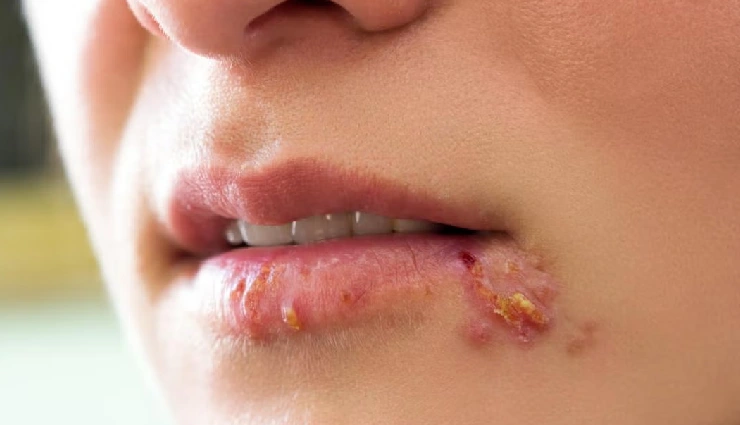
Herpes is a common and highly contagious viral infection that generally occurs in two main forms. Oral herpes typically causes cold sores or blisters around the mouth and lips, while genital herpes affects the genital or anal region and may lead to painful sores or blisters in these areas.
The infection is caused by the herpes simplex virus, commonly known as HSV. Once the virus enters the body, it remains there permanently. It can stay inactive for extended periods without causing noticeable symptoms and may become active again from time to time, resulting in recurring outbreaks.
Herpes is among the most common viral infections worldwide and can spread through direct skin-to-skin or mucosal contact. Genital herpes is most often transmitted through sexual contact, while oral herpes can pass from one person to another through close oral contact. Importantly, transmission can sometimes occur even when visible sores are not present.
Common Symptoms
One of the most recognizable signs of herpes is the appearance of painful blisters or sores in the affected area. Depending on the type of infection, these lesions may develop on or around the lips and mouth or in the genital and anal regions.
Some people may experience symptoms that are mild or difficult to notice, while others can develop more obvious and uncomfortable outbreaks. Because symptoms can vary from person to person, medical evaluation may be helpful when herpes is suspected.
How to Prevent Herpes
Although there is no guaranteed way to eliminate the risk of transmission, certain precautions can help lower the chances of spreading or contracting the virus:
Avoid kissing or other oral contact with someone who has an active cold sore.
Do not share personal items that come into contact with the mouth, such as lip products or eating utensils.
Avoid sexual contact during an active genital herpes outbreak or when visible sores are present.
Using condoms or dental dams can reduce the risk of transmission during sexual activity, although they cannot provide complete protection because herpes can spread from skin that is not covered.
These precautions can help provide a basic understanding of how herpes spreads and how transmission may be reduced. If you develop unexplained blisters, sores, or recurring symptoms, it is advisable to consult a healthcare professional for proper evaluation and guidance. Management options are available to help reduce the severity and frequency of outbreaks.

# Amino Acids
Increasing the intake of amino acids like lysine (while limiting arginine) can help reduce the frequency of outbreaks. Foods rich in these nutrients include:
Vegetables: cauliflower, broccoli, beets, potatoes
Dairy: yogurt, cheese
Fruits: apples, figs, pears
This is considered one of the most effective dietary approaches for managing herpes.
# Vitamin E
Topical application of vitamin E can help heal cold sores faster and provide significant pain relief, making it a trusted natural remedy.
# Lemon Balm
Lemon balm contains oils that inhibit the replication of the herpes virus. Studies have shown that creams with lemon balm extract can speed up healing, prevent spreading, and ease symptoms like itching, burning, and swelling.
# Bee Glue (Propolis)
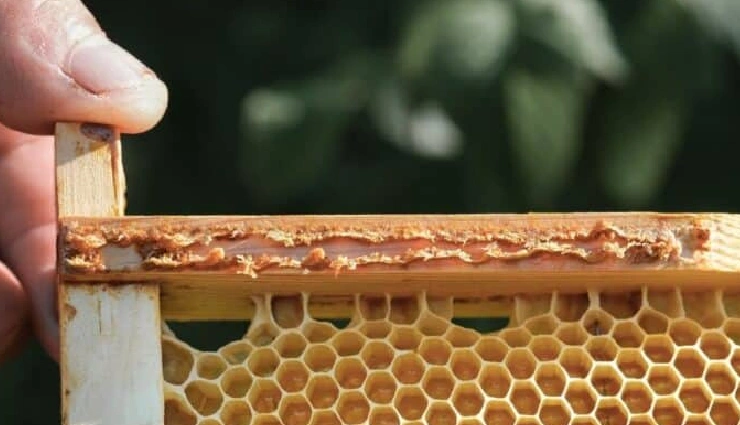
Propolis, a resin used by bees in hive-building, is rich in flavonoids and has antiviral properties. It’s especially effective in treating genital lesions caused by herpes.
# Licorice Root
Licorice contains glycyrrhizin, an antioxidant with antiviral effects. Applying licorice extract to affected areas may help suppress the herpes virus and promote healing.
# Warm Baths
Soaking in a warm sitz bath can soothe irritation caused by genital herpes. Adding ground oatmeal (2 cups) or baking soda (½ cup) to the bathwater can help relieve itching and discomfort.


