
- Home›
- Healthy Living›
- 7 Body Areas That Get Affected By Yeast Infection
7 Body Areas That Get Affected By Yeast Infection
By: Jhanvi Gupta Wed, 13 Aug 2025 12:07:26
It’s a well-known fact that women are susceptible to certain health conditions that men typically don’t experience—largely due to differences in physiology.
Breast cancer, polycystic ovary syndrome (PCOS), and vaginal yeast infections are examples of ailments that affect women exclusively.
Yeast infections are particularly common among women. They occur when bacteria or fungus affect the vagina, leading to a variety of unpleasant symptoms.
Some common causes include poor hygiene, diabetes, pregnancy, hormonal imbalances, high sugar intake, stress, urinary tract infections, and sexually transmitted diseases. Essentially, when the balance of healthy bacteria lining the vaginal walls is disrupted, yeast infections can occur. Interestingly, certain foods may also help prevent them.
Typical symptoms in women include itching, burning sensations, white discharge, unpleasant odor, pain during intercourse, rashes, and sores.
Many people assume yeast infections are limited to the vagina and therefore only affect women. However, this isn’t the case—yeast infections can develop anywhere on the body that receives little air or light, and in areas prone to moisture or sweating.
In fact, men can get yeast infections too. Here are some body parts—apart from the vagina—that can be affected:
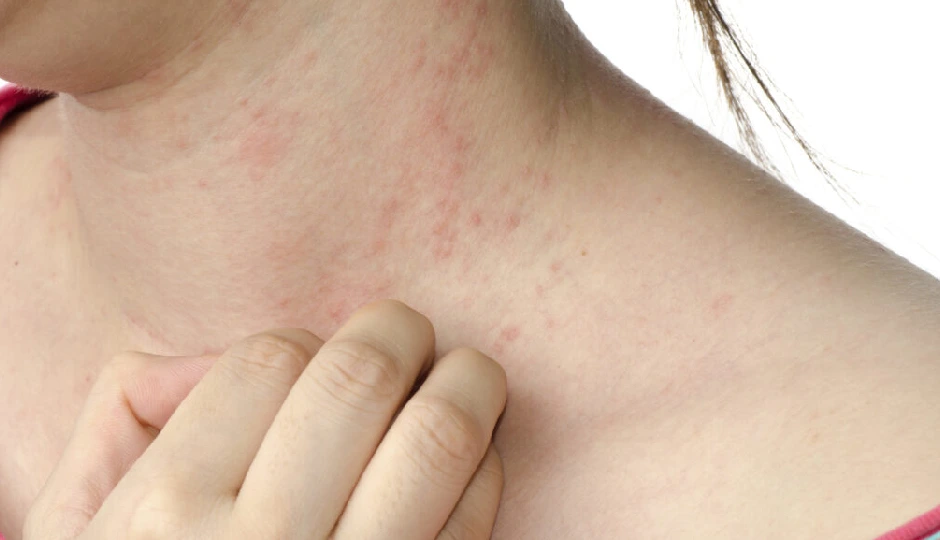
# Skin – Even though the skin is usually exposed to air and light, poor hygiene and the buildup of sweat and dead skin can lead to yeast infections.
# Feet – A fungus called Trichophyton mentagrophytes can cause yeast or fungal infections on the feet, especially if socks aren’t washed regularly.
# Mouth – Oral yeast infections often affect babies who are breastfed or bottle-fed, as milk particles can accumulate in the mouth and cause infection.
# Breasts – Nursing mothers may develop yeast infections on the breasts due to changes in the pH balance of the skin caused by a baby’s mouth, which can encourage yeast growth.
# Oesophagus – Certain medications used to treat cancer or autoimmune diseases can lead to yeast infections in the oesophagus as a side effect.
# Anus – Untreated vaginal yeast infections can spread to the anus, which is also a moist, low-light area.
# Penis – Although rare, men can develop yeast infections on the penis. This can be caused by reusing unwashed underwear or going long periods without bathing, and symptoms may be subtle.