- Home›
- Healthy Living›
- 7 Home Remedies To Treat Fever In Toddlers During Monsoon
7 Home Remedies To Treat Fever In Toddlers During Monsoon
By: Priyanka Maheshwari Fri, 07 Aug 2026 12:38:43
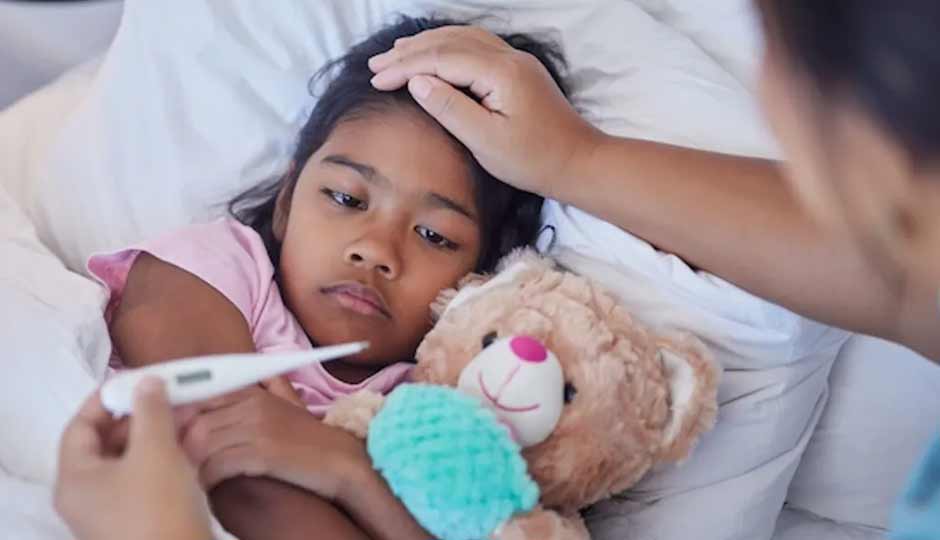
Monsoon brings cooler weather and relief from scorching summer heat, but it also creates a favorable environment for the spread of infections. Toddlers are especially vulnerable during this season because their immune systems are still developing. Sudden weather changes, increased humidity, contaminated food or water, and mosquito activity can increase the risk of viral infections, cough, cold, stomach infections, and seasonal fevers among young children.
Fever is one of the most common symptoms seen in toddlers during monsoon. It is the body's natural response to fight against infections and usually indicates that the immune system is working to protect the child. Along with fever, toddlers may experience symptoms such as tiredness, reduced appetite, irritability, runny nose, cough, or body discomfort.
While most mild fevers can be managed with proper hydration, adequate rest, and supportive care at home, parents need to monitor their child's condition carefully. Maintaining hygiene, offering nutritious foods, preventing mosquito bites, and recognizing warning signs can help protect toddlers during the monsoon season. Understanding safe home care practices can make this challenging time easier for both children and parents while ensuring timely medical attention whenever required.
Monsoon brings relief from heat but also increases the risk of viral infections, cough, cold, stomach infections, and seasonal fevers among toddlers. A mild fever is often the body's natural way of fighting infections. Along with proper medical guidance when needed, some safe home care measures can help keep toddlers comfortable and support recovery.
# Keep Your Toddler Hydrated
Fever can cause fluid loss through sweating and faster breathing. Offer small amounts of fluids frequently.
Good options include:
Breast milk (for breastfeeding toddlers)
Water (as age-appropriate)
Coconut water
Homemade soups
Rice water (starch water)
ORS if advised, especially during vomiting or diarrhea
Avoid forcing large amounts at once; small sips at regular intervals work better.
# Ensure Proper Rest
Rest helps the immune system fight infections. Allow your toddler to sleep more and avoid excessive activity during fever.
Keep the room comfortable and well-ventilated.
Avoid overcrowding the child with heavy blankets.
Dress your child in light, breathable cotton clothes.
# Use a Lukewarm Sponge Bath
A lukewarm sponge bath can help make your child comfortable if they feel hot or uncomfortable.
How to do it:
Use normal lukewarm water (not cold water).
Gently wipe the forehead, neck, arms, and legs.
Stop if your child starts shivering.
Avoid cold baths or ice water, as they may cause discomfort and shivering.
# Offer Light and Nutritious Foods
During fever, toddlers may have a reduced appetite. Do not force-feed them.
Try easy-to-digest foods such as:
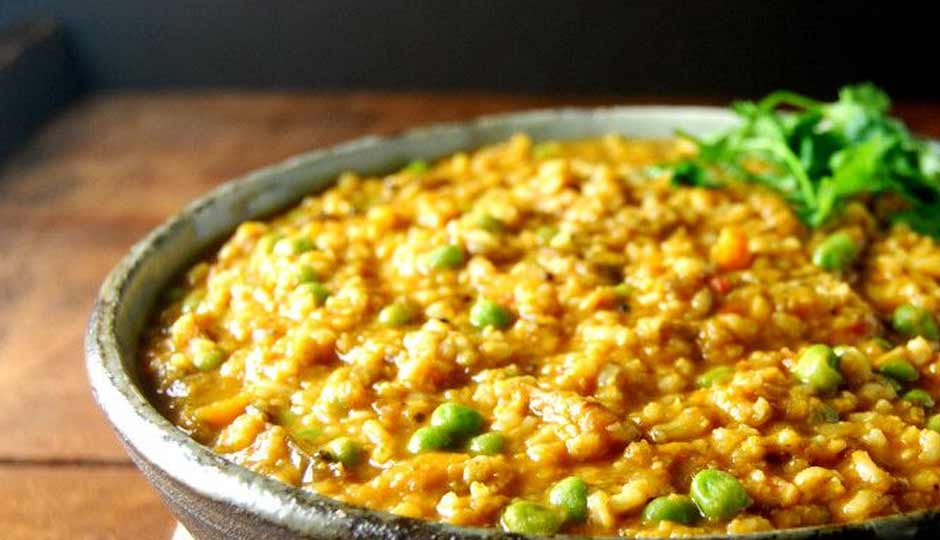
Khichdi
Dal water
Vegetable soup
Soft rice
Curd rice (if tolerated)
Mashed fruits like banana or apple puree
The priority during fever is hydration rather than eating a full meal.
# Maintain Cleanliness During Monsoon
Monsoon infections often spread through contaminated food, water, and mosquitoes.
Helpful habits:
Wash hands before feeding your child.
Use clean drinking water.
Keep surroundings dry and mosquito-free.
Wash fruits and vegetables properly.
Avoid outside food for young children during fever.
# Try Comforting Home Measures
Some gentle measures may help your child feel better:
Honey (only above 1 year):
A small amount of honey may soothe a sore throat or cough.
Never give honey to babies below 12 months.
Warm fluids:
Warm soups or age-appropriate warm drinks may provide comfort during cold-related fever.
# Monitor Temperature Regularly
Keep track of your toddler’s temperature using a reliable thermometer.
Check temperature when your child feels unusually warm or uncomfortable.
Note changes in fever pattern.
Encourage fluids even if fever comes and goes.