
- Home›
- Healthy Living›
- 7 Least Known Reasons For Excessive Vaginal Discharge
7 Least Known Reasons For Excessive Vaginal Discharge
By: Priyanka Maheshwari Thu, 03 Sep 2026 8:30:24
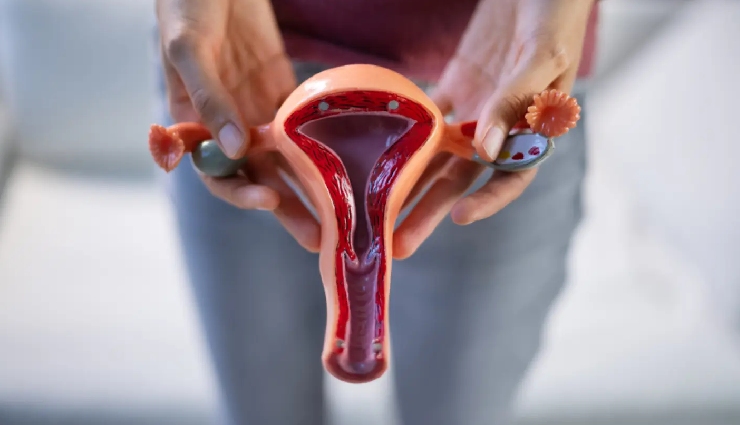
Ladies, let’s be honest — if you’ve landed on this topic, there’s a good chance you’re curious about something many women are already familiar with: what is commonly called “white discharge,” right?
The human body is constantly carrying out countless biological processes, and thankfully, most of them are completely natural and nothing to worry about. These everyday changes are simply part of how our bodies function and maintain themselves.
However, when a process that normally seems routine begins to change noticeably, whether in appearance, frequency, smell, or the way it makes you feel, it may be worth paying closer attention. Sometimes, unusual changes can offer important clues about your overall health, hygiene, or lifestyle.
Every person’s body responds differently to biological and hormonal changes. Factors such as age, gender, hormones, and general health can all influence the physical changes we experience throughout different stages of life.
Take puberty, for example. It’s perfectly normal for girls to experience breast tenderness or mild breast pain as breast tissue begins to develop. At the same stage, boys may notice their voices becoming deeper as testosterone levels rise and puberty progresses.
Our bodies continue to undergo hormonal, chemical, and enzyme-related changes throughout life. These internal shifts can sometimes produce physical symptoms that are noticeable but still completely normal.
Premenstrual syndrome, commonly known as PMS, is another familiar example. Many women experience symptoms before their periods, including mood changes, food cravings or increased appetite, bloating, and abdominal cramps. These symptoms are generally linked to the natural hormonal fluctuations that occur during the menstrual cycle.
In much the same way, vaginal discharge is a normal bodily function experienced by many women.
The slightly thick, clear-to-whitish fluid that may sometimes be noticed on underwear is known as vaginal discharge. It is part of the vagina’s natural self-cleaning process and helps remove dead cells, mucus, and other substances from the vaginal area.
A small or moderate amount of discharge is generally normal and can actually be a sign that the reproductive system is functioning naturally.
However, changes in vaginal discharge should not always be ignored. If the discharge suddenly becomes unusually heavy, develops a strong or unpleasant odor, changes to an unusual or dark color, or occurs along with itching, burning, irritation, pain, or discomfort, it may indicate an infection or another underlying health concern. In such cases, consulting a qualified healthcare professional is important rather than trying to self-diagnose the problem.
So, what can cause abnormal or excessive vaginal discharge in women? Let’s take a closer look at some of the possible reasons behind these changes:
# Sexually Transmitted Infections (STIs)
Engaging in unprotected sex with an infected partner can lead to sexually transmitted infections. One of the symptoms may include excessive, foul-smelling discharge, often accompanied by itching, irritation, or a burning sensation.

# Yeast Infection
An overgrowth of fungus (usually Candida) in the vaginal area can result in a yeast infection, which often leads to thick, white, and unpleasant-smelling discharge.

# Ovulation
Many women notice an increase in vaginal discharge during ovulation — the most fertile phase of the menstrual cycle. This discharge is usually clear or slightly white and is completely normal.
# Intrauterine Device (IUD)
Women using intrauterine devices (IUDs) for birth control may sometimes experience infections triggered by the presence of this foreign object, which can lead to increased vaginal discharge.
# Allergic Reactions
Products like scented soaps, vaginal douches, sprays, or lubricants may cause irritation or allergic reactions in some women, resulting in infection and abnormal discharge.
# Condoms
Flavored or scented condoms may cause sensitivity or allergic reactions in some women, potentially irritating the vaginal lining and triggering unusual discharge.
# Urinary Tract Infection (UTI)
A urinary tract infection can sometimes present symptoms such as excessive, foul-smelling discharge, in addition to frequent urination and pelvic discomfort.