
- Home›
- Healthy Living›
- 8 Effective Tips To Prevent Diabetes In Your Cat
8 Effective Tips To Prevent Diabetes In Your Cat
By: Jhanvi Gupta Tue, 11 Nov 2025 9:28:56
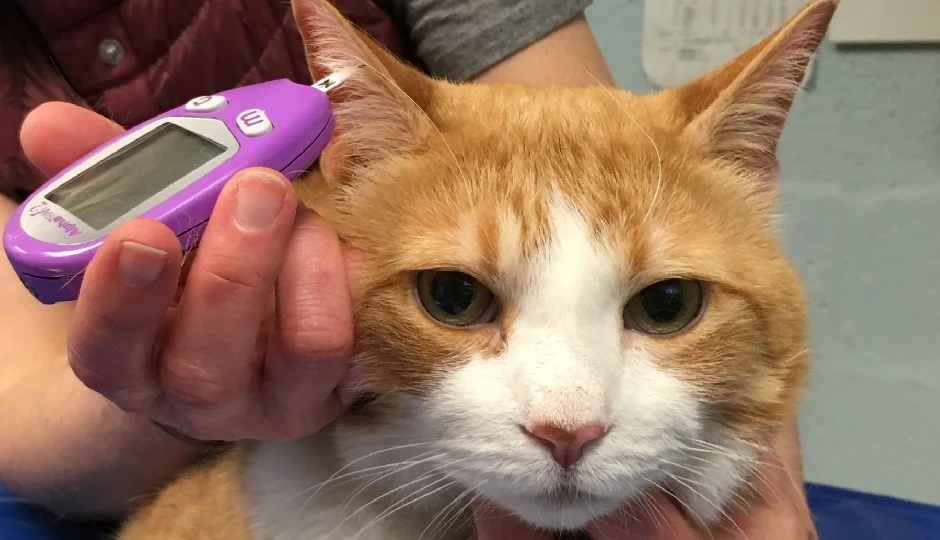
Diabetes mellitus, commonly known as diabetes, is a metabolic disorder that affects the way a cat’s body uses glucose (sugar) for energy. In healthy cats, the hormone insulin, produced by the pancreas, helps move glucose from the bloodstream into the cells. When the body either doesn’t produce enough insulin or can’t use it effectively, glucose levels rise in the blood, leading to diabetes.
This condition is becoming increasingly common among domestic cats, especially those who are overweight, middle-aged, or less active. While diabetes is a serious illness, it can be managed successfully with proper diet, regular exercise, and veterinary care. Early detection and lifestyle management can even help prevent the disease altogether.
Understanding the causes, symptoms, and preventive measures of diabetes can help cat owners ensure their feline companions live healthier, happier, and longer lives.
# Maintain a Healthy Weight
Obesity is the leading cause of feline diabetes.
Keep your cat at a healthy weight by monitoring calorie intake and avoiding overfeeding.
Ask your vet for your cat’s ideal weight range and adjust portions accordingly.
# Feed a Balanced, Low-Carb Diet
Cats are obligate carnivores — they thrive on protein, not carbohydrates.
Choose high-protein, low-carbohydrate wet food instead of dry kibble (which often contains too many carbs).
Avoid foods with corn, wheat, or soy fillers.
# Establish a Consistent Feeding Schedule
Feed your cat at regular times rather than free-feeding all day.
Scheduled meals help regulate metabolism and prevent overeating.
# Encourage Daily Exercise
Regular activity helps maintain healthy blood sugar levels and body weight.
Use toys, laser pointers, or interactive games to keep your cat moving for at least 15–20 minutes daily.
# Schedule Regular Vet Checkups
Routine exams and blood tests can catch early signs of insulin resistance.
Early detection makes diabetes easier to manage — or even prevent.
# Keep Your Cat Hydrated
Ensure fresh water is always available.
A well-hydrated cat supports kidney and metabolic health, helping regulate blood sugar.
# Avoid Unnecessary Steroid Use
Long-term or repeated steroid medications can increase the risk of diabetes.
Discuss safer alternatives with your vet if your cat requires such treatments.
# Watch for Early Warning Signs
If you notice:
Increased thirst or urination
Sudden weight loss
Lethargy or poor coat condition
…contact your vet right away. Early intervention is key.