
- Home›
- Healthy Living›
- 9 Early Signs Of Cancer In Children Every Parent Should Know
9 Early Signs Of Cancer In Children Every Parent Should Know
By: Priyanka Maheshwari Fri, 21 Aug 2026 10:58:47
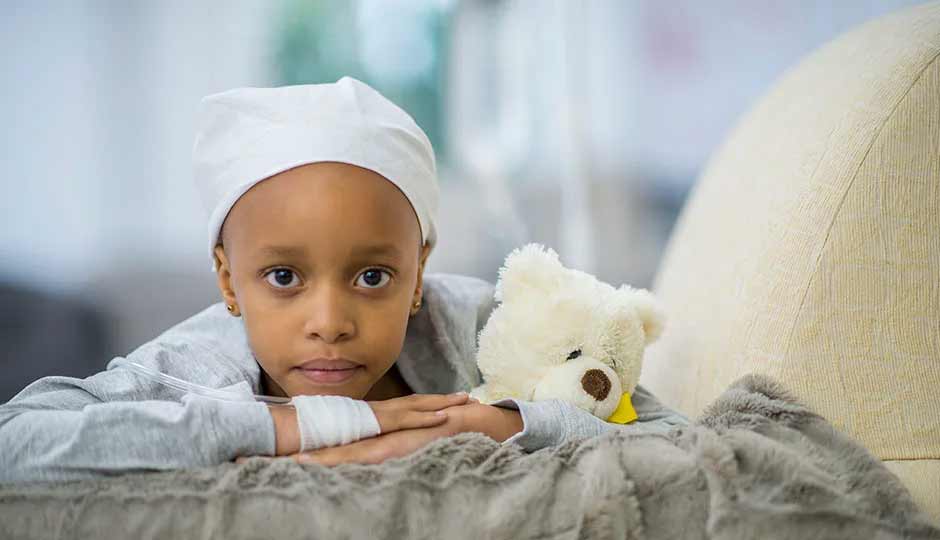
If you are a parent, you probably know the feeling all too well. Your child has been unusually tired for several days. You notice a bruise on their shin that you cannot quite explain. Suddenly, a quiet voice in your mind begins asking questions you would rather not consider: Is this normal? Could it be something more?
Most of the time, the answer is reassuring. Children bruise easily, develop fevers with common viral infections, and may experience periods of low energy after a growth spurt or a poor night's sleep. However, there are times when several seemingly ordinary symptoms appear together or persist longer than expected. Recognising these patterns can help parents understand when it is worth seeking medical advice.
How Rare Is Childhood Cancer?
Cancer in children is rare. According to the World Health Organization (WHO), childhood cancer occurs far less frequently than cancer in adults, and many children who receive timely, evidence-based treatment can recover successfully. Through its Global Initiative for Childhood Cancer, WHO aims to achieve at least a 60% survival rate for children with cancer by 2030. In high-income countries, survival rates for childhood cancer can already approach 80–85%, while outcomes are considerably poorer in regions where diagnosis and treatment are delayed.
In India, cancer registry data compiled by the Indian Council of Medical Research–National Centre for Disease Informatics and Research (ICMR-NCDIR) indicates that childhood cancers accounted for less than 8% of all cancers reported nationally between 2012 and 2019. Leukaemia represented approximately 40% of childhood cancer cases, making it the largest category, followed by lymphomas and central nervous system tumours.
In other words, a child who is tired, feverish, or occasionally bruised is very unlikely to have cancer. However, recognising persistent or unusual symptoms is important because early diagnosis can significantly influence treatment outcomes.
Early Signs of Cancer in Children Parents Should Know
On their own, most of these symptoms are unlikely to indicate cancer. Doctors become more concerned when several symptoms occur together, when they appear without an obvious explanation, or when they persist despite time and usual treatment. Based on clinical guidance and childhood cancer awareness recommendations, the following signs may warrant medical evaluation:
# Persistent fatigue or unusual paleness: Ongoing tiredness, weakness, or a noticeably pale complexion lasting more than two weeks, particularly when there is no obvious infection or other explanation.
# Fever without an identifiable cause: Fever that persists or repeatedly returns over several weeks without a clear source.
# Unusual bruising or bleeding: Bruises appearing in unexpected areas, such as the back or trunk, along with tiny red or purple spots on the skin, frequent nosebleeds, or bleeding gums. These symptoms can sometimes be associated with low platelet counts.
# Unexplained lumps or swelling: A painless lump in the neck, armpit, or groin that does not decrease in size over several weeks, or unexplained swelling of the abdomen.
# Persistent bone or joint pain: Pain that continues without an obvious injury, particularly if it wakes the child at night or is accompanied by an unexplained limp.
# Persistent headaches with other symptoms: Morning headaches accompanied by vomiting, changes in vision, unusual clumsiness, or changes in coordination deserve medical attention.
# Changes in the eyes: A white or cloudy reflection in one eye in photographs or a sudden change such as persistent squinting can be associated with retinoblastoma, a rare childhood eye cancer.
# Unexplained weight loss or reduced appetite: Significant changes in weight or appetite that cannot be linked to an illness, dietary change, or another obvious reason.
# Heavy night sweating: Repeated episodes of drenching night sweats, particularly when they occur alongside other unexplained symptoms.
Why the Combination of Symptoms Matters
Childhood cancers can initially resemble many common childhood illnesses, including viral infections, stomach bugs, or ordinary growing pains. This similarity can make early symptoms difficult to recognise.
The important point is not to panic whenever a child develops a fever, bruise, headache, or period of tiredness. These symptoms are common in childhood and usually have harmless explanations. Instead, parents should pay attention when symptoms persist longer than expected, repeatedly return, become progressively worse, or occur together in an unusual pattern.
If you notice a combination of concerning symptoms or feel that something about your child's health is not typical for them, speak with a paediatrician or other qualified healthcare professional. A medical evaluation does not mean that cancer is suspected or that something serious is necessarily wrong—it is simply the safest way to understand persistent or unexplained symptoms.