10 Famous Sikh Religious Places In India
By: Priyanka Maheshwari Sun, 25 Oct 2026 10:58:08
Sikhism is one of the major religions that originated in India, and its places of worship are known as Gurudwaras. These sacred sites can be found across the world wherever Sikh communities reside. In India, many Gurudwaras hold immense spiritual and historical significance, particularly in Punjab, where a large proportion of the Sikh population lives.
Every Gurudwara has a unique connection with Sikh history, the teachings of the ten Sikh Gurus, and important events that shaped the faith. Some were established by the Gurus themselves, while others were built to commemorate their lives and contributions. These places welcome people from all religions and communities, reflecting Sikhism’s core values of equality, compassion, service, and devotion.
Some of the most renowned Sikh pilgrimage destinations include the Golden Temple, Takht Sri Patna Sahib, Gurudwara Bangla Sahib, Gurudwara Baba Bakala Sahib, Tarn Taran Sahib, Hemkund Sahib, Takht Sri Hazur Sahib, Goindwal Sahib, Nankana Sahib, and Paonta Sahib. Each offers visitors an opportunity to learn about Sikh heritage, experience spiritual tranquillity, and appreciate the architectural beauty of these sacred places.
1. Golden Temple, Amritsar
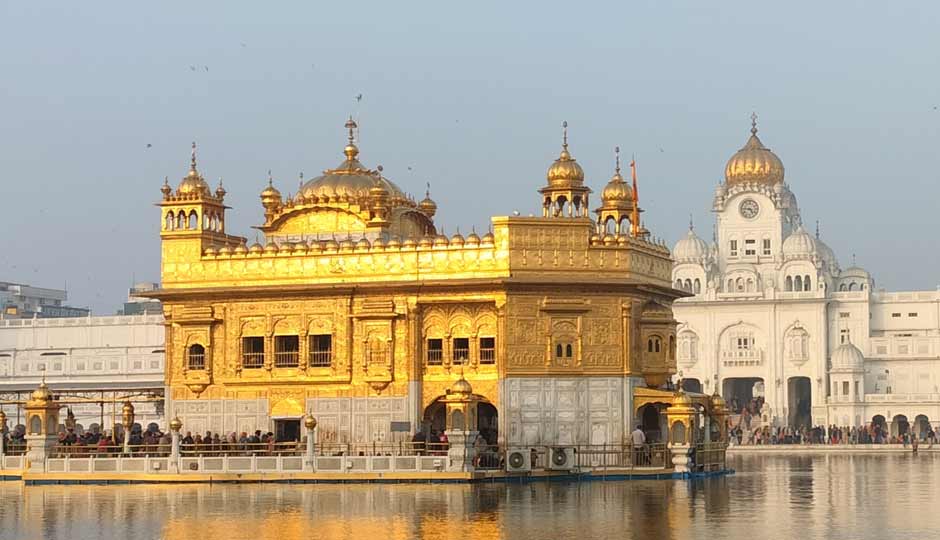
The Golden Temple, also known as Harmandir Sahib or Darbar Sahib, is situated in Amritsar, Punjab. It is one of the holiest and most recognised Sikh pilgrimage sites in the world. The temple was designed under the guidance of the fifth Sikh Guru, Guru Arjan Dev Ji, and its foundation was laid in 1588. The shrine was completed in the early 17th century and remains a central place of worship for Sikhs.
The Golden Temple symbolises equality and inclusivity. According to Sikh tradition, its foundation was laid by the Sufi saint Mian Mir, reflecting the spirit of interfaith harmony. People from all backgrounds are welcome to visit the shrine and participate in its religious activities.
The temple is also known as Harmandir Sahib, meaning the abode of God, and Darbar Sahib, referring to the divine court. Its magnificent golden dome, surrounded by the sacred Amrit Sarovar, creates a remarkable sight. Visitors can also experience the community kitchen, or langar, where free meals are served to people regardless of their religion, caste, or social background.
2. Takht Sri Patna Sahib, Bihar
Takht Sri Patna Sahib, also known as Takht Sri Harmandir Ji Patna Sahib, is a prominent Sikh shrine located in Patna, Bihar. It holds exceptional religious importance because it marks the birthplace of Guru Gobind Singh Ji, the tenth Sikh Guru, who was born here in 1666.
The present-day Gurudwara was constructed under the patronage of Maharaja Ranjit Singh during the 19th century. It commemorates the early life of Guru Gobind Singh Ji and preserves the memory of his contributions to Sikhism.
The shrine is one of the five Takhts, or principal seats of authority, in Sikhism. Devotees from across India and abroad visit Patna Sahib to pay their respects, participate in prayers, and learn about the life and teachings of Guru Gobind Singh Ji. The Gurudwara becomes particularly vibrant during Gurpurab celebrations marking the Guru’s birth anniversary.
3. Gurudwara Bangla Sahib, New Delhi
Gurudwara Bangla Sahib is one of the most prominent Sikh religious sites in New Delhi. Located near Connaught Place on Baba Kharak Singh Marg, it attracts devotees and tourists throughout the year.
The Gurudwara is closely associated with the eighth Sikh Guru, Guru Har Krishan Ji, who stayed at this location during the 17th century. According to Sikh tradition, the Guru helped people suffering from a smallpox and cholera outbreak. His compassion and service to the sick remain an important part of the shrine’s history.
One of the main attractions is the sacred Sarovar, a large water pool within the complex. The Gurudwara’s golden dome, Nishan Sahib (the Sikh religious flag), and peaceful prayer hall add to its spiritual atmosphere.
Visitors can attend prayers, explore the complex, and participate in langar, which is served free of charge. Gurudwara Bangla Sahib is an important destination for anyone wishing to understand Sikh traditions and the values of selfless service and humanity.
4. Gurudwara Baba Bakala Sahib, Punjab
Gurudwara Baba Bakala Sahib is situated in Baba Bakala, a town in Amritsar district, Punjab. It is an important Sikh pilgrimage destination associated with the ninth Sikh Guru, Guru Tegh Bahadur Ji.
The site is particularly significant because Guru Tegh Bahadur Ji was identified as the ninth Guru at Baba Bakala. Sikh tradition recounts that Baba Makhan Shah Lubana played an important role in recognising the Guru after discovering him through an act of devotion.
The Gurudwara complex preserves the memory of this historical event and its connection with the Sikh Gurus. The area also has associations with Mata Ganga and other important figures in Sikh history.
Devotees visit Baba Bakala Sahib to offer prayers, reflect on the teachings of Guru Tegh Bahadur Ji, and experience the peaceful atmosphere of the shrine. The Gurudwara is especially significant during religious gatherings and festivals associated with the Sikh community.
5. Gurudwara Sri Darbar Sahib, Tarn Taran Sahib
Gurudwara Sri Darbar Sahib is located in Tarn Taran Sahib, Punjab. It was established in 1590 by the fifth Sikh Guru, Guru Arjan Dev Ji, making it an important landmark in Sikh religious history.
The foundation of the Gurudwara is traditionally associated with Baba Budha Ji, one of the most respected figures in early Sikh history. The shrine became a major centre of Sikh worship and community life under the guidance of Guru Arjan Dev Ji.
One of its most distinctive features is its large Sarovar, which is among the largest sacred water tanks associated with Sikh shrines. The pool and surrounding complex create a serene environment for prayer and reflection.
The Gurudwara attracts pilgrims throughout the year, particularly on Amavasya, or the new moon day, when many devotees gather for religious observances. Its historical importance, striking architecture, and spiritual atmosphere make Tarn Taran Sahib a notable destination for Sikh pilgrims.
6. Gurudwara Shri Hemkund Sahib, Uttarakhand
Gurudwara Shri Hemkund Sahib is a revered Sikh pilgrimage site situated in the Chamoli district of Uttarakhand. Located at an altitude of approximately 4,329 metres in the Himalayas, it is surrounded by snow-covered mountains and a beautiful glacial lake.
Hemkund Sahib is closely associated with Guru Gobind Singh Ji. In his autobiographical composition, Bachittar Natak, included in the Dasam Granth, he describes a previous spiritual existence at a place identified by Sikh tradition with Hemkund.
The shrine is known for its peaceful surroundings, breathtaking mountain scenery, and spiritual significance. Pilgrims visit the Gurudwara to offer prayers and experience the tranquillity of the Himalayan landscape. Many also visit the nearby Hemkund Lake, which holds religious importance.
Due to its high altitude and heavy snowfall, the pilgrimage route generally remains open only during the warmer months. Visitors should check official travel advisories, weather conditions, and route accessibility before planning their journey.
7. Takht Sri Hazur Sahib, Maharashtra
Takht Sri Hazur Sahib, also known as Takht Sachkhand Sri Hazur Abchal Nagar Sahib, is located in Nanded, Maharashtra, on the banks of the Godavari River. It is one of the five principal Takhts of Sikhism and holds great historical and religious significance.
The shrine marks the place associated with the passing of Guru Gobind Singh Ji in 1708. The inner chamber, known as Angitha Sahib, commemorates the site connected with his cremation.
The present Gurudwara complex was constructed in the 19th century under the patronage of Maharaja Ranjit Singh, with construction traditionally dated to the period between 1832 and 1837. Its architecture combines Sikh religious traditions with decorative features that make it a striking landmark.
Hazur Sahib is often associated with the term Sachkhand, meaning the Realm of Truth. Devotees from different parts of India and abroad visit this sacred destination to pay homage to Guru Gobind Singh Ji and learn about the historical developments that shaped Sikhism.
The shrine is especially lively during major Sikh festivals, including celebrations associated with Guru Gobind Singh Ji and the Sikh tradition of Hola Mohalla.
8. Goindwal Sahib, Punjab
Goindwal Sahib is an important Sikh pilgrimage destination in Punjab, closely associated with the third Sikh Guru, Guru Amar Das Ji. Located near the Beas River, it developed into a major centre of Sikh religious life during the 16th century.
Guru Amar Das Ji helped establish Goindwal Sahib as a spiritual and community centre. The town is particularly famous for its Baoli Sahib, a historic stepwell with 84 steps that holds an important place in Sikh tradition.
According to popular religious belief, devotees who recite Japji Sahib at each of the 84 steps and take a dip in the Baoli may attain spiritual liberation. The practice reflects the site's long-standing importance in Sikh devotional life.
Goindwal Sahib is also remembered for its emphasis on community service, equality, and devotion. Pilgrims visit the shrine to offer prayers, learn about Guru Amar Das Ji's teachings, and explore the historic religious complex.
Its rich heritage and peaceful environment make it a meaningful destination for those interested in the origins and development of Sikhism.
9. Gurudwara Nankana Sahib, Pakistan
Nankana Sahib is a historic city in Pakistan's Punjab province and an important pilgrimage destination for Sikhs. The city is named after Guru Nanak Dev Ji, the founder of Sikhism, who was born here in 1469.
The principal shrine, Gurudwara Janam Asthan, commemorates the birthplace of Guru Nanak Dev Ji. It is one of the most significant places in Sikh history because of its association with the early life of the first Sikh Guru and the beginnings of his spiritual journey.
Nankana Sahib is located approximately 75–90 kilometres from Lahore, depending on the route. The Gurudwara attracts Sikh pilgrims, particularly during celebrations marking Guru Nanak Dev Ji's birth anniversary.
The shrine's historical importance extends beyond its architecture. It represents the origins of a faith whose teachings emphasise the oneness of God, honest living, equality, and service to humanity.
As the site is located in Pakistan, international visitors should check current visa requirements, travel advisories, and pilgrimage arrangements before planning a visit.
10. Gurudwara Paonta Sahib, Himachal Pradesh
Gurudwara Paonta Sahib is located in the Sirmaur district of Himachal Pradesh, on the banks of the Yamuna River. It is an important Sikh pilgrimage destination associated with Guru Gobind Singh Ji, the tenth Sikh Guru.
According to tradition, Guru Gobind Singh Ji arrived in the region in the 17th century and spent several years here. During his stay, Paonta Sahib developed into an important centre of religious, literary, and cultural activity.
The name Paonta is commonly associated with a local tradition involving the Guru and his horse, although explanations of the name vary. The Gurudwara commemorates his stay and preserves memories of the period before he moved to Anandpur Sahib, where the Khalsa Panth was established in 1699.
The shrine is known for its peaceful riverside setting, religious ceremonies, and welcoming atmosphere. Visitors can participate in prayers, explore the Gurudwara complex, and learn about Guru Gobind Singh Ji's contributions to Sikh history.
Paonta Sahib is an appealing destination for both pilgrims and travellers interested in the spiritual heritage of Himachal Pradesh.