
10 Monuments To Explore In Bhutan
By: Priyanka Maheshwari Sat, 12 Sep 2026 9:45:17
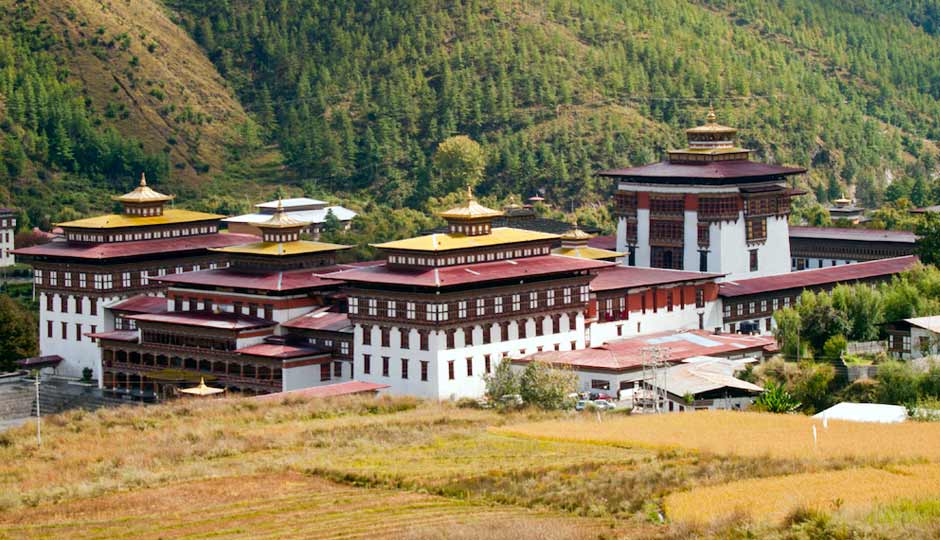
Often described as the “Land of the Thunder Dragon,” Bhutan is a fascinating Himalayan kingdom known for its dramatic mountains, deep valleys, Buddhist monasteries and vibrant cultural traditions. The country is still relatively underrated compared with many other popular international destinations, despite offering an impressive variety of experiences.
Bhutan holds immense spiritual importance for Buddhists and is home to ancient monasteries, sacred temples and places associated with fascinating legends and mythology. Beyond spirituality, travellers can enjoy scenic drives, trekking, nature walks, traditional festivals, local handicrafts and shopping. Here are some of the best places to explore in Bhutan.
1. Trongsa Tsechu
Trongsa has played an important role in Bhutan's political and cultural history. Its strategic location made it a significant centre for administration and trade and allowed rulers to maintain control over routes connecting central and eastern Bhutan.
The Trongsa Tsechu is a colourful Buddhist festival celebrated annually in December. The multi-day celebration brings together locals and visitors for traditional mask dances, religious ceremonies, prayers and blessings. The final day is particularly significant, as sacred relics and religious traditions take centre stage.
Highlights:
A vibrant Buddhist festival featuring traditional mask dances.
Held at the historic Trongsa Dzong.
Offers an opportunity to experience Bhutanese religious and cultural traditions.
Best Time to Visit: December
How to Reach: Trongsa is approximately a six-hour drive from Thimphu or Paro along the national highway.
Why Visit: Trongsa Tsechu offers an authentic glimpse into Bhutan's spiritual traditions, with colourful dances, rituals and cultural performances associated with Guru Rinpoche.
Things to Do: Watch the traditional mask dances, explore Trongsa Dzong and interact with locals during the festivities.
2. Jakar Dzong
Known officially as Yuelay Namgyal Dzong, Jakar Dzong is an impressive example of traditional Bhutanese architecture. It is popularly associated with the name “Castle of the White Bird” or “Fortress of the White Bird.”
According to local legend, lamas searching for a suitable location to establish a monastery in the 16th century noticed a white bird flying towards this particular site. They interpreted the bird's appearance as an auspicious sign and decided to establish their monastery here. Over time, the site developed into the historic Jakar Dzong.
Highlights:
Historic fortress and monastery in the Bumthang Valley.
Famous for its association with the legend of the white bird.
Offers beautiful views of the surrounding valley.
Best Time to Visit: March to May and September to November
How to Reach: Jakar is located in Bumthang and takes approximately nine hours to reach by road from Thimphu.
Why Visit: Jakar Dzong combines history, spirituality and spectacular Himalayan scenery, making it one of the key attractions of the Bumthang region.
Things to Do: Explore the fortress, learn about its history and visit the monasteries and religious sites nearby.
3. Ura Valley
Located in the Bumthang region, Ura Valley is known for its picturesque landscapes, traditional villages and rich cultural heritage. The valley is particularly famous for the Ura Yakchoe, a traditional festival associated with a sacred statue and an intriguing local legend.
According to the legend, a lama once arrived at the home of an elderly woman while searching for water. He asked her for a glass of water. When she returned, the lama had disappeared, leaving behind a statue in his sack. The sacred object later became closely associated with the Ura Yakchoe tradition.
Highlights:
Traditional Bhutanese villages and ancient temples.
Beautiful mountain landscapes and peaceful surroundings.
Famous for the Ura Yakchoe festival.
Best Time to Visit: May and September
How to Reach: Ura Valley is around an hour's drive from Jakar.
Why Visit: Ura offers travellers a chance to experience Bhutan's rural lifestyle while enjoying scenic landscapes and traditional architecture.
Things to Do: Walk through the valley, explore local villages, experience Bhutanese culture and visit Ura Lhakhang.
4. Tiger's Nest or Paro Taktsang
Paro Taktsang, popularly known as Tiger's Nest Monastery, is undoubtedly one of Bhutan's most iconic landmarks. Perched dramatically on a cliff approximately 3,120 metres above sea level, the monastery is among the country's most photographed and spiritually significant sites.
According to Bhutanese Buddhist tradition, Guru Rinpoche (Padmasambhava) meditated at a cave at this location after arriving in Bhutan on the back of a tigress. The site subsequently became an important centre of Buddhist pilgrimage. The present monastery complex was constructed in the late 17th century.
Highlights:
One of Bhutan's most famous cliffside monasteries.
A major pilgrimage destination for Buddhists.
Offers spectacular views of the Paro Valley.
Best Time to Visit: March to May and September to November
How to Reach: The monastery is around a 30-minute drive from Paro town to the trailhead, followed by a challenging hike of approximately two to three hours.
Why Visit: Tiger's Nest combines breathtaking scenery with deep spiritual and cultural significance.
Things to Do: Hike to the monastery, explore its sacred interiors and learn about Guru Rinpoche and the history of Bhutanese Buddhism.
5. Punakha Dzong
Situated at the meeting point of the Pho Chhu (Father River) and Mo Chhu (Mother River), Punakha Dzong is one of Bhutan's most magnificent architectural landmarks. Its spectacular setting, surrounded by rivers and mountains, makes it especially impressive.
The dzong is traditionally known as the “Palace of Great Happiness or Bliss.” It is also one of Bhutan's oldest and largest dzongs and has played a major role in the country's religious and political history.
Highlights:
Magnificent fortress at the confluence of two rivers.
Famous for its intricate Bhutanese architecture.
Important religious and historical landmark.
Best Time to Visit: March to May and September to November
How to Reach: Punakha is approximately a three-hour drive from Thimphu.
Why Visit: The combination of historic architecture, sacred temples, rivers and mountain scenery makes Punakha Dzong one of Bhutan's most memorable attractions.
Things to Do: Explore the dzong, visit its temples and take a walk across the scenic Punakha Suspension Bridge.
6. Dochula Pass
Located on the road between Thimphu and Punakha, Dochula Pass is one of Bhutan's most scenic mountain viewpoints. On clear days, visitors can enjoy spectacular panoramic views of the snow-covered Himalayan peaks.
The pass is particularly known for its 108 Druk Wangyal Chortens, which were built as a memorial and spiritual landmark. The site also features the Druk Wangyal Lhakhang and beautifully maintained surroundings.
Highlights:
Panoramic Himalayan mountain views.
Home to 108 Druk Wangyal Chortens.
Important spiritual and cultural landmark.
Best Time to Visit: March to May and September to November
How to Reach: Dochula Pass is located around 45 minutes from Thimphu by road.
Why Visit: The pass provides an excellent combination of Himalayan scenery, spirituality and Bhutanese architecture.
Things to Do: Admire the mountain views, explore the memorial chortens, visit Druk Wangyal Lhakhang and enjoy the peaceful surroundings.
7. Temple of the Divine Madman
Popularly known as Chimi Lhakhang, the Temple of the Divine Madman is one of Bhutan's most unusual and fascinating religious sites. It is dedicated to Lama Drukpa Kunley, a revered Buddhist saint remembered for his unconventional approach to teaching and spreading Buddhism.
The temple is especially associated with fertility blessings. Couples hoping to have children traditionally visit the temple to seek blessings. The site is also well known for its distinctive cultural symbolism and colourful depictions associated with Drukpa Kunley's teachings.
Highlights:
Dedicated to Lama Drukpa Kunley.
Famous for its fertility-related traditions.
Located amid beautiful rice fields.
Best Time to Visit: March to May and September to November
How to Reach: The temple is located near Punakha and requires a short walk through the surrounding countryside from the main road.
Why Visit: Chimi Lhakhang offers an interesting insight into Bhutan's unique religious traditions and the fascinating story of the Divine Madman.
Things to Do: Walk through the rice fields, visit the temple, seek blessings and learn about Lama Drukpa Kunley's life and teachings.
8. Tashichho Dzong
Set against a lush valley backdrop, Tashichho Dzong is one of Thimphu's most important landmarks. This impressive fortress-monastery has served both religious and administrative functions and remains closely connected with Bhutan's government and monarchy.
The complex houses important government offices and the King's Throne Room. Its grand architecture, manicured gardens and peaceful surroundings make it an important stop for visitors exploring Thimphu.
Highlights:
Historic Buddhist monastery and fortress.
Important centre of Bhutan's government.
Houses the King's Throne Room and government offices.
Best Time to Visit: March to May and September to November
How to Reach: Tashichho Dzong is located in Thimphu and is easily accessible from the city centre.
Why Visit: The dzong provides an opportunity to appreciate Bhutan's distinctive architecture while learning about the country's religious, political and royal heritage.
Things to Do: Explore the complex, admire the architecture, visit the surrounding gardens and, if your visit coincides with the festival season, experience the Thimphu Tsechu.
9. Buddha Dordenma Statue
Standing high above Thimphu Valley at Kuenselphodrang, the Buddha Dordenma Statue is one of Bhutan's most striking modern landmarks. The giant statue of Shakyamuni Buddha is approximately 51 metres (169 feet) high and contains more than 125,000 smaller Buddha statues inside.
Made from bronze and gilded, the enormous statue overlooks the capital and has become an important spiritual and tourist attraction. The surrounding Kuenselphodrang Nature Park also provides beautiful views of Thimphu.
Highlights:
Approximately 51 metres tall.
Contains more than 125,000 smaller Buddha statues.
Offers panoramic views of Thimphu Valley.
Best Time to Visit: March to May and September to November
How to Reach: The statue is around 10 minutes by road from central Thimphu.
Why Visit: Buddha Dordenma is both a remarkable piece of Buddhist art and a peaceful spiritual destination overlooking the capital.
Things to Do: Visit the meditation hall, admire the enormous statue, enjoy the valley views and explore Kuenselphodrang Nature Park.
10. Trongsa Dzong
Located in central Bhutan, Trongsa Dzong is one of the country's most impressive fortresses. Its strategic position overlooking the Mangde River made it extremely important in Bhutan's history. Control over Trongsa once meant having considerable influence over the routes connecting different parts of the country.
The sprawling complex contains numerous temples and religious spaces and is renowned for its remarkable architecture. A watchtower, known as Ta Dzong, was historically used to strengthen the fortress's defences and today provides additional insight into Bhutan's royal and military history.
Highlights:
One of Bhutan's largest and most strategically important dzongs.
Historically significant in the country's unification.
Offers spectacular views of the surrounding landscape.
Best Time to Visit: March to May and September to November
How to Reach: Trongsa is approximately a six-hour drive from Thimphu.
Why Visit: Trongsa Dzong provides a fascinating look into Bhutan's political, religious and architectural heritage while offering beautiful views of the surrounding valleys.
Things to Do: Explore the dzong, visit the Ta Dzong museum and learn about Bhutan's history, monarchy and religious traditions.


