
10 Most Famous Temples Of Pokhara
By: Priyanka Maheshwari Sat, 14 Feb 2026 8:04:19
Love this kind of content — Pokhara’s spiritual side deserves way more attention than just “adventure capital” status. Here’s your refreshed, polished version with smoother flow and a slightly elevated travel-guide tone.
Pokhara is far more than just a starting point for Himalayan treks. It is a serene and soulful city where shimmering lakes, towering mountains, and centuries-old traditions coexist beautifully. While the city is famous for adventure sports and postcard-perfect landscapes, it also houses some of Nepal’s most significant temples and sacred sites.
These spiritual landmarks are deeply rooted in history, culture, and devotion, making them essential stops for pilgrims, cultural enthusiasts, and curious travelers alike.
In this comprehensive guide, you’ll explore the 10 most renowned temples and religious sites in Pokhara — along with their legends, architectural highlights, cultural importance, and helpful travel tips.
Whether you’re seeking blessings, scenic photography spots, tranquil meditation corners, or meaningful cultural experiences, this list will help you craft a memorable spiritual journey through Pokhara.
# Tal Barahi Temple (Tal Barahi Mandir)
Location: In the middle of Phewa Lake
Dedicated to: Goddess Barahi (a form of Durga)
Architecture: Traditional two-tier pagoda
Tal Barahi Temple is the most iconic shrine in Pokhara. Set on a small island in Phewa Lake, it can only be reached by a short boat ride — an experience that immediately creates a sense of calm and reverence.
The temple honors Goddess Barahi, believed to protect devotees and remove negative energies. Worshippers visit daily with flowers, vermilion, and offerings. For travelers, the peaceful boat journey, temple reflections on the lake, and the Annapurna range rising in the background create an unforgettable spiritual setting.
Best time to visit: Early morning or sunset
Tip: Visit on weekdays to avoid large crowds
# Bindhyabasini Temple
Location: Old Bazaar
Dedicated to: Goddess Bindhyabasini (a form of Bhagwati)
Highlight: Oldest temple in Pokhara
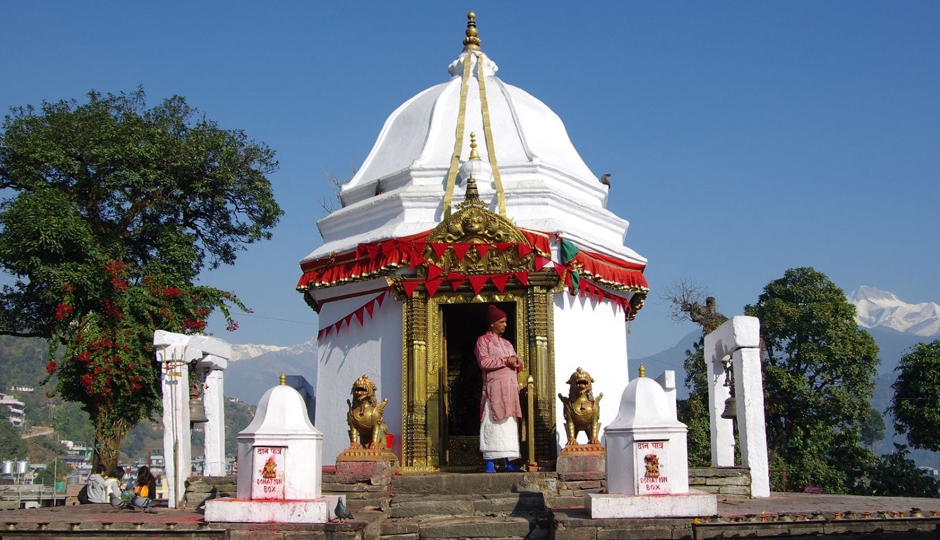
Perched atop a hill overlooking Pokhara Valley, Bindhyabasini Temple is one of the city’s oldest and most revered religious sites.
Dedicated to Goddess Bindhyabasini, the temple is believed to grant protection and success. Every morning, devotees climb its steps for prayers and rituals, filling the air with the soft sound of bells. The pagoda-style structure and panoramic valley views make it both spiritually and visually rewarding.
Ideal for: Cultural immersion and observing authentic local devotion
# World Peace Pagoda (Shanti Stupa)
Location: Anadu Hill (south of Phewa Lake)
Religion: Buddhism
Significance: Symbol of global peace
Although not a Hindu temple, the World Peace Pagoda is among Pokhara’s most visited spiritual landmarks. The gleaming white stupa crowns a hilltop, offering some of the most breathtaking panoramic views in the region.
Constructed by Japanese Buddhist monks, it represents harmony and universal peace. Visitors come for meditation, yoga, photography, and especially sunrise views over Phewa Lake and the Annapurna range.
Best time: Sunrise for tranquil vibes and golden light
Access: Trek, cycle, or taxi
# Gupteshwor Mahadev Cave
Location: Opposite Davis Falls
Dedicated to: Lord Shiva
Highlight: Sacred cave shrine
Gupteshwor Mahadev Cave Temple is one of the most mystical sites in Pokhara. Hidden within a natural cavern, this Shiva shrine attracts thousands of devotees annually.
Discovered decades ago after locals found a naturally formed Shiva lingam inside, the cave now features a descending pathway leading into its depths. Dripping water, echoing chants, and soft lighting create a surreal and sacred atmosphere.
The deeper section offers views of the waterfalls near Davis Falls, blending adventure with spirituality.
# Bhadrakali Temple
Location: Hilltop between Matepani and Kundahar
Dedicated to: Goddess Kali
Experience: Nature combined with devotion
Reaching Bhadrakali Temple involves a short scenic hike through greenery, making the journey part of the spiritual experience.
The temple honors Goddess Kali in her benevolent form and becomes a major devotional hub during Dashain and other festivals. Visitors appreciate the peaceful surroundings and panoramic views across Pokhara.
Recommended: Early morning for cool weather and scenic light
# Matepani Gumba (Matepani Buddhist Monastery)
Location: Matepani area (East Pokhara)
Tradition: Tibetan Buddhism
Highlight: Vibrant murals and chanting rituals
Established by Tibetan monks, Matepani Gumba is visually stunning and spiritually enriching. Inside, intricate murals and golden statues illustrate Buddhist teachings and cosmic symbolism.
Daily rituals include chanting, drums, and long Tibetan horns. Visitors are welcome to meditate quietly or observe the ceremonies.
Best experience: Attend morning prayers for the full sensory experience
# World Peace Gumba (Hyangja Monastery)
Location: Hyangja, near Pokhara Airport
Style: Large Tibetan-style monastery
Known for: Golden structures and serene environment
Unlike the white World Peace Pagoda, this monastery features golden accents and traditional Tibetan-inspired architecture. Spacious courtyards, meditation halls, and sweeping valley views create a peaceful retreat atmosphere.
Because it receives fewer tourists, it’s ideal for those seeking a quieter spiritual experience.
# Ram Mandir
Location: Ram Bazar
Dedicated to: Lord Ram
Ram Mandir is one of the city’s most active Hindu temples. Locals gather daily for rituals and evening aartis, and the atmosphere becomes especially vibrant during Ram Navami and Dashain.
Visitors come to witness authentic religious practices, traditional music, floral decorations, and heartfelt devotion.
Combine with: A walk through the nearby traditional market
# Akaladevi Temple
Location: Near New Road Market
Dedicated to: Goddess Akaladevi
Atmosphere: Calm and intimate
Though less known among tourists, Akaladevi Temple holds deep significance for locals. Devotees visit to pray for family well-being, prosperity, and protection.
Its modest architecture and peaceful courtyard offer a quiet spiritual pause within the bustling city.
Tip: Visit in the morning during daily pujas
# Kashinath Temple
Location: Phoolbari
Dedicated to: Lord Shiva
Atmosphere: Quiet and community-centered
Kashinath Temple is a peaceful Shiva shrine located in a residential neighborhood. Its simplicity allows visitors to observe everyday spiritual life up close.
Small shops nearby sell incense, lamps, flowers, and offerings. Mondays are particularly busy, as they are sacred to Shiva devotees. During Maha Shivaratri, the temple fills with lights, music, fasting rituals, and hundreds of worshippers.