10 Textile Destinations You Must Visit In India
By: Priyanka Maheshwari Sun, 26 Jul 2026 10:46:14
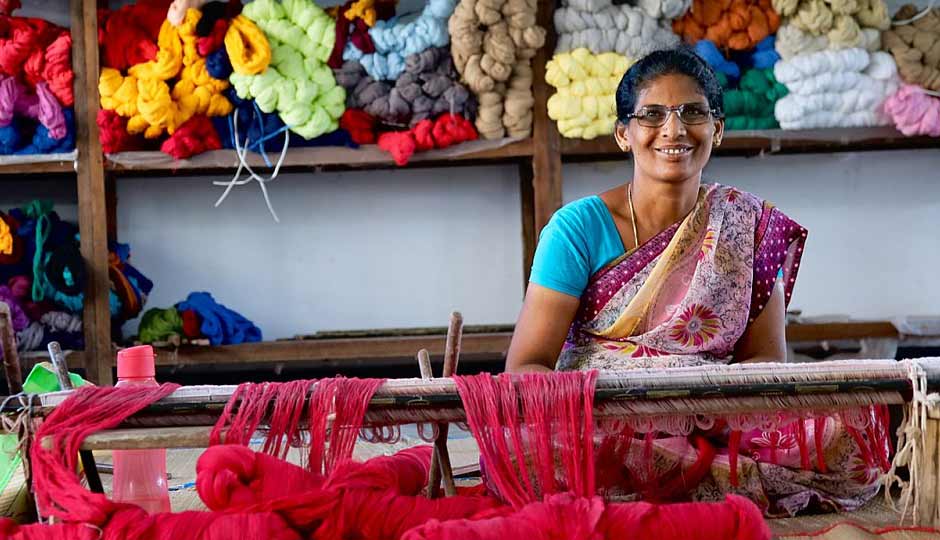
India has long been celebrated for its rich textile heritage, where every thread tells a story of tradition, artistry, and culture. From luxurious silk saris to intricately handwoven cotton fabrics, every region of the country showcases a unique weaving style that has been preserved for generations.
Each Indian state boasts its own distinctive textiles, reflecting local craftsmanship, customs, and history. These timeless creations are admired not only across India but also by textile enthusiasts around the world. Whether you are a fashion lover, a cultural explorer, or someone looking for authentic handloom treasures, India's textile destinations offer an unforgettable experience.
In this guide, we'll explore some of the country's most famous textile hubs, where you can witness traditional weaving techniques, meet skilled artisans, and shop for exquisite handcrafted fabrics.
# Surat, Gujarat
Known as the Textile City and Silk City of India, Surat is one of the country's largest textile manufacturing hubs. The city is renowned for producing premium-quality silk, synthetic fabrics, embroidery, and zari work. It supplies textiles to markets across India and exports them worldwide.
Visitors can explore weaving units, embroidery workshops, yarn manufacturing centers, and bustling textile markets that showcase the city's thriving textile industry.
Famous For:
Silk sarees
Polyester fabrics
Zari work
Embroidered textiles
Why Visit?
Surat is India's largest producer of silk and synthetic textiles and is especially famous for Tanchoi and Gajee silk saris.
Key Highlights
World-famous zari (gold and silver thread) craftsmanship
Large textile markets like Sahara Darwaja
Opportunity to visit weaving and manufacturing units
Best Time to Visit: October to March
How to Reach
By Air: Surat Airport (14 km)
By Train: Surat Railway Station
Travel Tip: Buy directly from manufacturers to get authentic products at competitive prices.
# Varanasi, Uttar Pradesh
One of the world's oldest cities, Varanasi is equally famous for its spiritual heritage and its legendary Banarasi silk saris. These luxurious handwoven saris are prized for weddings and festive occasions and are known for their intricate Mughal-inspired motifs woven with gold and silver zari.
Walking through Varanasi's weaving neighborhoods offers a fascinating glimpse into centuries-old craftsmanship.
Famous For:
Banarasi silk
Brocade fabrics
Zari embroidery
Muga silk
Why Visit?
Banarasi silk represents elegance and is among India's finest handwoven textiles.
Key Highlights
Traditional weaving workshops in Madanpura and Alaipura
Bharat Kala Bhavan Museum's textile collection
Rich history of handloom artistry
Best Time to Visit: October to February
How to Reach
By Air: Lal Bahadur Shastri Airport (26 km)
By Train: Varanasi Junction
Travel Tip: Visit Thateri Bazaar and compare prices before making purchases.
# Jaipur, Rajasthan
Jaipur is one of India's most vibrant textile destinations, celebrated for its block printing, Bandhani, Leheriya, and exquisite hand embroidery. The city's artisans continue to use natural dyes and centuries-old techniques to create colorful fabrics loved worldwide.
Jaipur's hand-printed textiles have become highly sought-after in international markets.
Famous For:
Bandhani
Leheriya
Gota Patti
Zari work
Why Visit?
Jaipur is the heart of Rajasthan's traditional textile arts and hand printing.
Key Highlights
Sanganeri and Bagru block prints
Natural dyeing techniques
Shopping at Johari Bazaar and Bapu Bazaar
Best Time to Visit: October to March
How to Reach
By Air: Jaipur International Airport
By Train: Jaipur Railway Station
Travel Tip: Visit the Anokhi Museum of Hand Printing to understand the history of block printing.
# Kanchipuram, Tamil Nadu
Popularly known as the Silk Capital of India, Kanchipuram is synonymous with luxurious silk saris woven using pure mulberry silk and rich zari borders.
Each sari is created by weaving the body and border separately before skillfully interlocking them—a unique technique that enhances durability and beauty.
Famous For:
Kanchipuram Silk
Arani Silk
Zari work
Why Visit?
Home to some of India's finest handcrafted silk saris.
Key Highlights
Intricate temple-inspired motifs
Vibrant colors and premium silk quality
Traditional weaving centers
Best Time to Visit: November to February
How to Reach
By Air: Chennai International Airport (75 km)
By Train: Kanchipuram Railway Station
Travel Tip: Buy only from government-certified outlets to ensure authenticity.
# Maheshwar, Madhya Pradesh
Nestled on the banks of the Narmada River, Maheshwar is famous for its elegant Maheshwari saris, which beautifully combine cotton and silk.
The distinctive borders and motifs are inspired by the architecture of Maheshwar Fort and the town's rich cultural heritage.
Famous For:
Maheshwari Saris
Chanderi Fabrics
Cotton-Silk Blends
Why Visit?
Maheshwari textiles are lightweight, graceful, and ideal for everyday elegance.
Key Highlights
Geometric and floral designs
Rehwa Society weaving center
Heritage-inspired craftsmanship
Best Time to Visit: October to March
How to Reach
By Air: Indore Airport (95 km)
By Train: Barwaha Railway Station (39 km)
Travel Tip: Combine your shopping trip with a visit to Maheshwar Fort and the scenic Narmada River.
# Kota, Rajasthan
Kota is renowned for its lightweight Kota Doria fabric, recognized by its signature checkered weave known as Khats.
The fabric combines silk and cotton, making it breathable, elegant, and perfect for India's climate.
Famous For:
Kota Doria
Why Visit?
Ideal for those looking for lightweight, comfortable, and elegant handwoven fabrics.
Key Highlights
Fine checkered weaving technique
Traditional weaving workshops
Pastel-colored cotton-silk blends
Best Time to Visit: October to March
How to Reach
By Air: Jaipur Airport (250 km)
By Train: Kota Junction
Travel Tip: Visit Kaithoon village, the birthplace of authentic Kota Doria weaving.
# Patan, Gujarat
Patan is world-famous for its luxurious Patola saris, created using the highly complex double ikat weaving technique.
Each sari can take several months—or even a year—to complete, making every piece a masterpiece of craftsmanship.
Famous For:
Patola Saris
Mashru Fabrics
Why Visit?
One of India's most exclusive and artistic textile traditions.
Key Highlights
Double ikat weaving
Patan Patola Heritage Museum
Vibrant geometric patterns
Best Time to Visit: October to February
How to Reach
By Air: Ahmedabad Airport (125 km)
By Train: Patan Railway Station
Travel Tip: Authentic Patola saris are expensive but are considered heirloom investments.
# Sualkuchi, Assam
Known as the Manchester of Assam, Sualkuchi is the state's largest silk weaving center. It is famous for producing luxurious Muga, Eri, and Pat silk used to create the traditional Mekhela Chador.
These fabrics often feature motifs inspired by Assam's wildlife, history, and royal heritage.
Famous For:
Mekhela Chador
Muga Silk
Eri Silk
Why Visit?
Experience Assam's centuries-old silk weaving tradition.
Key Highlights
Naturally golden Muga silk
Eco-friendly Ahimsa (Eri) silk
Traditional weaving villages
Best Time to Visit: November to February
How to Reach
By Air: Guwahati Airport (35 km)
By Train: Guwahati Railway Station (30 km)
Travel Tip: Purchase silk directly from local artisans for genuine handcrafted products.
# Aurangabad, Maharashtra
Aurangabad is celebrated for its luxurious Paithani saris and elegant Himroo fabrics.
Paithani saris are known for their vibrant colors and elaborate peacock, lotus, mango, and Ajanta-inspired motifs woven with fine silk and zari.
Famous For:
Paithani Saris
Himroo Shawls
Why Visit?
A perfect destination for heritage silk weaving and luxurious handcrafted fabrics.
Key Highlights
Peacock and floral motifs
Rich Satavahana-era weaving tradition
Himroo weaving workshops
Best Time to Visit: October to March
How to Reach
By Air: Aurangabad Airport
By Train: Aurangabad Railway Station
Travel Tip: Visit the Himroo Factory to witness traditional weaving techniques.
# Sambalpur, Odisha
Sambalpur is internationally known for its Sambalpuri Ikat, a remarkable textile created using the traditional tie-and-dye weaving technique.
The fabrics feature intricate motifs inspired by temples, flowers, seashells, fish, and nature. Their vibrant colors and exceptional craftsmanship make them highly valued across India.
Famous For:
Sambalpuri Ikat Saris
Why Visit?
One of India's finest examples of traditional ikat weaving.
Key Highlights
Unique tie-and-dye weaving process
Traditional Odisha-inspired motifs
Long-lasting natural colors
Best Time to Visit: October to February
How to Reach
By Air: Bhubaneswar Airport (270 km)
By Train: Sambalpur Railway Station
Travel Tip: Explore local handloom markets to find authentic Sambalpuri saris directly from artisans.