12 Not To Miss Things In Chukha, Bhutan
By: Priyanka Maheshwari Wed, 18 Feb 2026 10:23:28
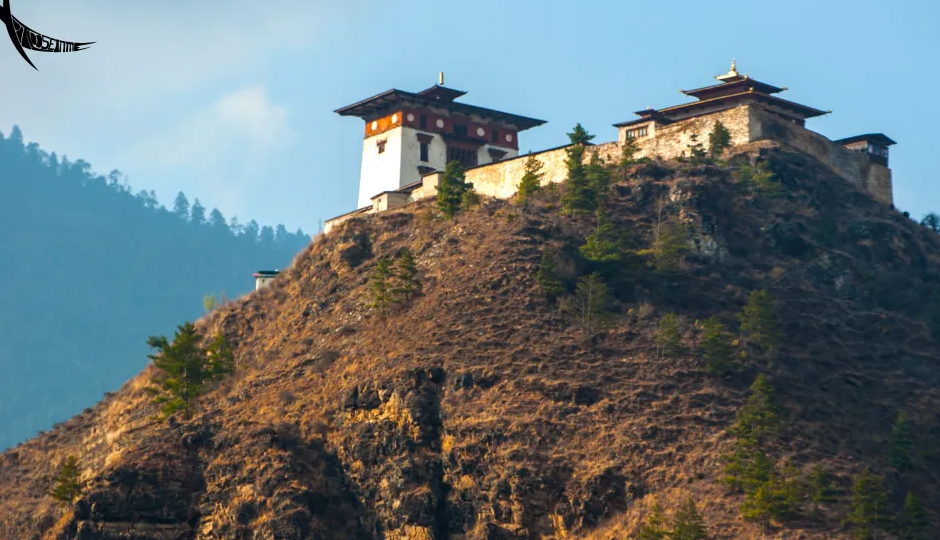
Situated in the lush southwestern hills of Bhutan, Chukha District often slips under the radar as travelers hurry toward Paro or Thimphu. Yet this region offers something refreshingly different: a gentler introduction to the kingdom. Here, border-town vibrancy meets monasteries overlooking mist-filled valleys, rivers weave through subtropical forests, and everyday Bhutanese life unfolds without the heavy tourist crowds found elsewhere.
If you’re planning a Bhutan trip and want to move beyond the usual highlights, this detailed guide to the top things to do in Chukha, Bhutan will help you explore more deeply, travel thoughtfully, and embrace a slower, more meaningful pace.
# Explore the Iconic Bhutan Gate
Most travelers entering Bhutan by land first arrive through Phuentsholing. The striking Bhutan Gate marks the official boundary between India and Bhutan, connecting Jaigaon in India to the calmer streets beyond.
The contrast is immediate. On one side, Indian traffic buzzes with movement and honking horns. On the other, Bhutan’s orderly roads, painted façades, and traditional motifs create a sense of calm.
The gate itself is an architectural showpiece. Intricate wood carvings, vibrant colors, and Buddhist symbols adorn its surfaces. It’s more than a border crossing — it’s a cultural threshold. Pause here. Look closely at the painted dragons and lotus motifs. This is your first glimpse into Bhutanese artistry.
Early morning light is ideal for photography — and for experiencing that subtle feeling of stepping into a different rhythm of life.
# Visit Zangto Pelri Lhakhang
In the heart of Phuentsholing stands Zangto Pelri Lhakhang, a peaceful temple dedicated to Guru Rinpoche.
Unlike the grand dzongs of Paro or Punakha, this monastery feels intimate and accessible. Locals walk clockwise around the temple, gently spinning prayer wheels. Children play softly in the garden while monks chant inside.
The murals portray celestial realms and protective deities. Even if you’re unfamiliar with Vajrayana Buddhism, the artwork invites quiet reflection. Sit for a moment. Watch the prayer flags flutter overhead. Notice how silence carries a different weight here.
For many visitors, this becomes their first genuine spiritual experience in Bhutan.
# Wander Through Karbandi Monastery
Perched above the valley is Karbandi Monastery, also known locally as Karbandi Goemba. The drive upward winds through forested hills, with each turn revealing broader views.
From the monastery courtyard, the Amo Chhu valley stretches far below. On clear days, distant blue ridges fade gently into the horizon.
The temple houses statues of Shabdrung Ngawang Namgyal and Guru Rinpoche. While the structure itself is modest, its setting is breathtaking.
If you appreciate peaceful viewpoints without heavy crowds, this is one of the best places to visit in Chukha.
# Walk Along the Amo Chhu River
The Amo Chhu flows gently through Phuentsholing before entering India. Its waters cut through lush greenery, creating a surprisingly tropical landscape compared to Bhutan’s higher Himalayan regions.
An afternoon stroll along the river offers simple pleasures:
The soothing sound of flowing water
Cool breezes drifting through trees
Distant hill views
Occasional glimpses of local fishermen
Here, you truly feel Chukha’s warmer, greener character — Bhutan’s subtropical side.
# Relax by the Torsa River
For nature lovers, time by the Torsa River is a welcome pause.
Highlights include:
Clear waters flowing through forested surroundings
Ideal spots for short nature walks or quiet reflection
Scenic photo opportunities against a jungle backdrop
This stop works beautifully mid-journey when you need to stretch your legs and reconnect with nature.
# Discover Bhutan’s Modern Side at Chukha Hydropower Plant
Hydropower forms the backbone of Bhutan’s economy. In Chukha, the Chukha Hydropower Plant stands as one of the country’s most significant infrastructure projects.
Commissioned in the 1980s, it reshaped Bhutan’s development path by exporting electricity to India and generating vital national revenue.
While entry inside the facility is restricted, nearby viewpoints reveal the scale of engineering set against steep, forested terrain.
This visit offers perspective: Bhutan is often romanticized as purely traditional, but here you witness a nation carefully balancing modernization with environmental philosophy.
# Explore Gedu’s Misty Hilltop Views
Higher along the winding highway lies Gedu. Cooler than Phuentsholing, Gedu greets visitors with misty mornings and sweeping mountain roads.
Home to Gedu College of Business Studies, the town has a youthful, relaxed atmosphere. Pause at a roadside café, sip tea, and watch clouds roll through valleys below.
If you’re traveling from Phuentsholing toward Thimphu or Paro, Gedu makes a refreshing and scenic break.
# Visit Dokhachu Goenpa for Deeper Spiritual Insight
Near Chapcha village stands Dokhachu Goenpa, also known as Ekajati Lhakhang. Dedicated to the protective goddess Ekajati, this temple holds special significance in Bhutanese tantric Buddhism.
The setting feels serene and deeply devotional. It’s less visited than major monasteries, offering a more contemplative atmosphere.
Dress modestly, respect local customs, and move quietly within temple grounds.
# Experience Local Markets and Cuisine in Phuentsholing
Chukha’s culinary scene reflects its border location. In Phuentsholing, you’ll find Bhutanese staples alongside Indian influences.
Must-try dishes include:
Ema Datshi (chili and cheese stew)
Red rice with vegetables or pork
Momos filled with meat or vegetables
Butter tea
Small restaurants serve authentic flavors without inflated tourist pricing. Evening market walks reveal everyday rhythms: shopkeepers chatting, students heading home, monks crossing streets calmly.
Food here feels honest and unpretentious — Bhutanese daily life on a plate.
# Drive Scenic Mountain Roads Toward Thimphu
The highway linking Phuentsholing to Thimphu ranks among Bhutan’s most dramatic drives. Sharp curves climb steadily into cooler altitudes.
As you ascend:
Tropical greenery gives way to pine forests
The air turns thinner and cooler
Prayer flags appear at mountain bends
Clouds drift near road level
The journey itself becomes one of the most memorable experiences in Chukha District. Allow extra time. Stop at viewpoints. Travel slowly.
# Attend a Local Festival if Timing Allows
Though less famous than Paro Tsechu, Chukha hosts smaller tsechus featuring masked dances, traditional music, and lively community gatherings.
If your travel dates align, attending a local festival offers rare insight into Bhutanese culture in its most communal and celebratory form.
Check locally upon arrival for updated schedules.
# Use Chukha as a Gentle Introduction to Bhutan
Many travelers pass quickly through Chukha on their way to Paro. Instead, consider staying one or two nights.
It allows:
Time to complete entry formalities calmly
Adjustment to Bhutan’s slower pace
Cultural immersion without tourist congestion
Gradual acclimatization before climbing to higher elevations
If arriving by air, your journey begins at Paro International Airport, from where Chukha can be reached via a scenic road transfer.