12 Tips To Keep In Mind For Solo Trips In India
By: Priyanka Maheshwari Thu, 15 Oct 2026 9:45:21
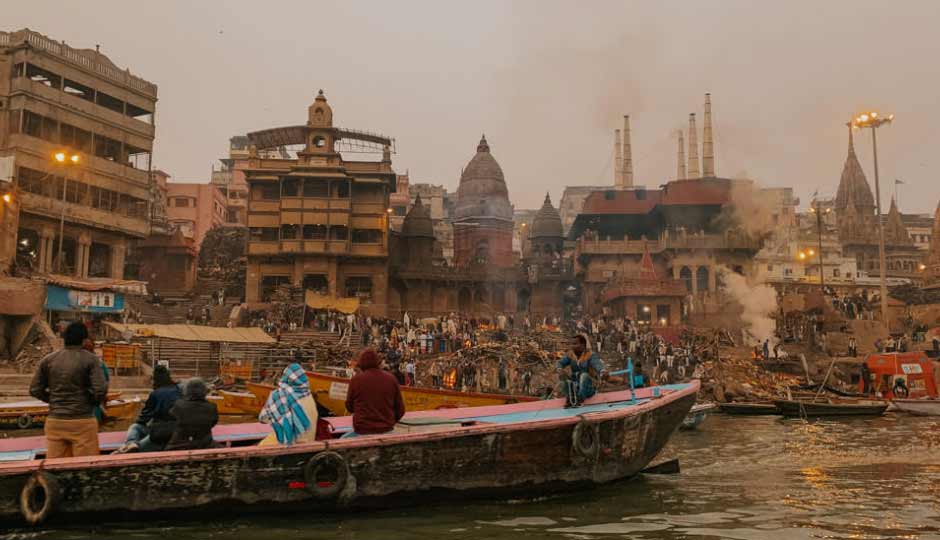
India is a destination that deserves a place on every traveller’s bucket list. From breathtaking landscapes and magnificent monuments to vibrant cities, rich cultural traditions, and delicious local cuisine, the country offers countless experiences to discover.
If you are planning to explore India as a solo traveller, comfort, convenience, and safety are likely to be among your top priorities. Get ready to immerse yourself in a culturally diverse country filled with unforgettable adventures. However, travelling alone requires a little extra preparation to ensure a smooth and enjoyable journey.
Here are 12 useful travel tips to help you make your solo trip to India memorable for years to come.
1. Carry the Necessary Documents to Get a SIM Card
Staying connected is essential when travelling around India, especially when you are exploring unfamiliar places on your own. Getting a local SIM card can help you access maps, contact accommodation providers, book transport, and stay in touch with family and friends.
India has several well-known telecommunications providers, including Airtel, Jio, and Vi, offering different network coverage and data plans. Airtel is one option travellers can consider when looking for a local mobile connection.
Depending on the airport and the services available, you may be able to purchase a SIM card upon arrival. Keep your passport, valid visa or e-visa details, and any other required identification documents handy. The documents and verification procedures may vary depending on the provider and your eligibility.
You can also purchase a SIM card from an authorised retailer. However, activation may take some time, so check the expected activation period before relying on your new connection. If you need internet access immediately, consider arranging a suitable connection in advance.
2. Dress Comfortably and Respect Local Customs
India is culturally diverse, and clothing preferences vary considerably between regions, cities, and rural communities. When visiting religious sites or traditional neighbourhoods, dressing modestly can help you respect local customs and feel more comfortable.
Women travelling in India may find that clothing covering their shoulders and knees is a practical choice in certain settings. Carrying a lightweight scarf or shawl is also useful, particularly when visiting temples, mosques, or other religious places where specific dress requirements may apply.
In some rural areas and traditional communities, modest clothing may be more appropriate than revealing outfits. Rather than following a single dress code throughout the country, adapt your clothing to the destination, weather, and activities planned for the day.
Comfortable, breathable fabrics are especially useful during India's warmer months, while warmer layers may be necessary in mountainous regions.
3. Keep Your Belongings Safe
When travelling alone, you must take responsibility for your belongings without relying on a companion to keep an eye on them. Crowded markets, railway stations, bus terminals, and tourist attractions require particular attention.
A secure backpack or crossbody bag can help you keep your valuables organised. In crowded places, carry your bag in front of you and keep your phone, wallet, passport, and other important items in secure compartments.
Avoid leaving your belongings unattended, even for a short period. Carry only what you need for the day rather than taking all your valuables with you.
Keeping your essentials in one well-organised bag can also make travelling easier. However, store your passport, backup payment method, and emergency cash separately so that losing one item does not leave you without access to everything important.
4. Drink Safe, Packaged Drinking Water
Staying hydrated is important when exploring India, particularly during hot weather or long sightseeing trips. However, drinking water from an unfamiliar or unverified source can increase the risk of waterborne illnesses.
Choose sealed bottled water from a reliable seller or use a trusted source of treated drinking water. Before purchasing bottled water, check that the seal is intact.
If you prefer a reusable bottle, refill it with water from a verified safe source. Water purification tablets or an appropriate portable purifier may provide an additional option when travelling in areas where safe drinking water is difficult to find. Follow the product instructions carefully, as not every purification method removes all possible contaminants.
Avoid drinking untreated tap water when its safety is uncertain, and be cautious with ice made from an unknown water source.
Carrying drinking water during sightseeing can help you stay hydrated and reduce the need to purchase water frequently.
5. Keep Small Denominations of Cash Handy
Although digital payments are widely used in many parts of India, carrying some cash remains useful, especially when visiting smaller towns, rural destinations, local markets, or remote tourist attractions.
Keep a reasonable amount of money in smaller denominations to pay for inexpensive purchases, local transport, snacks, parking, or other small services. Having smaller notes can make transactions easier when a seller or driver cannot provide change.
Avoid keeping all your cash in one place. Divide it between a secure wallet and a separate location in your luggage, and carry only the amount you expect to need during the day.
Digital payment options and cards can be convenient, but they may not be accepted everywhere. A combination of cash and electronic payment methods offers greater flexibility.
6. Be Cautious When Travelling by Taxi
Getting around an unfamiliar city can be challenging, particularly when you are travelling alone. Before hiring a taxi, familiarise yourself with the approximate distance, expected travel time, and typical fare for your journey.
Some drivers may prefer to negotiate a fixed fare rather than use the meter. If a meter is available and applicable, ask the driver to use it before beginning your trip. Otherwise, agree on the total fare in advance to avoid misunderstandings.
You can also compare estimated fares through a reputable ride-hailing app or ask your accommodation provider for guidance on local transport options.
For airport transfers or late-night journeys, consider booking through an established taxi service or arranging transport with your hotel. Confirm the vehicle registration number and driver's details before getting in, and share your trip information with someone you trust when appropriate.
Pre-booked transfers can be especially convenient after a long flight, helping you avoid unnecessary confusion upon arrival.
7. Use Reliable Ride-Sharing Applications
Public transport can be an affordable way to explore India, but navigating unfamiliar bus routes, communicating with drivers, or finding the correct stop may sometimes be difficult.
Ride-hailing applications such as Ola and Uber are available in many Indian cities and can simplify local travel. Depending on the location, you may be able to check estimated fares, track your journey, and pay through the app or another supported payment method.
Download the relevant application before your trip, set up your account, and check which payment options are available in your destination.
Before entering a vehicle, verify the driver's name, photograph, and vehicle registration number against the details shown in the app. Share your trip with a trusted contact if the feature is available, and avoid accepting an unsolicited ride from someone claiming to be your assigned driver.
Drivers may occasionally cancel or decline trips because of traffic, distance, or local conditions. If this happens, request another ride through the app rather than negotiating with an unverified driver.
Remember that ride-hailing services generally operate within specific service areas, so you may need to arrange separate transport when travelling between cities.
8. Hire a Reputable Tour Guide for Sightseeing
Exploring India independently can be exciting, but hiring a knowledgeable tour guide can make certain sightseeing experiences more informative and convenient.
A reputable guide can explain the history, architecture, traditions, and cultural significance of the places you visit. They may also help you understand ticketing procedures, identify appropriate entry points, and navigate busy tourist attractions.
Choose a guide through an authorised tourism provider, a recognised booking platform, or a recommendation from your accommodation. Confirm the guide's credentials, services, and fees before finalising the arrangement.
A guided tour can also be an excellent way to learn about local customs and discover interesting details you might otherwise overlook.
And, of course, travelling alone should not mean missing out on photographs of your adventures. You can ask your guide to take pictures at notable landmarks or request assistance from staff at established attractions. Always keep your belongings secure while posing for photographs.
9. Be Prepared for Friendly Attention
As a visitor, you may attract attention in some parts of India, particularly in destinations that receive fewer international tourists. Some locals may approach you out of curiosity, ask about your country, or request a photograph together.
Many such interactions are friendly and harmless, and they can offer opportunities to learn about local culture.
However, you are never obligated to answer personal questions, participate in a photograph, or continue a conversation that makes you uncomfortable. A polite refusal is sufficient, and you can walk away if you prefer not to engage.
If someone continues to pressure you, move towards a busy public area or seek assistance from nearby staff or authorities.
Being friendly while maintaining clear personal boundaries can help you enjoy positive interactions without compromising your comfort.
10. Be Careful When Accepting Help from Strangers
While many people are genuinely willing to help travellers, it is wise to exercise caution when accepting unsolicited assistance, particularly around popular tourist attractions, transport hubs, and historical monuments.
Some individuals may offer to guide you, arrange tickets, carry your bags, or show you around before demanding payment or a tip. Others may direct you towards businesses where they receive a commission.
If you need assistance, approach official information counters, authorised guides, transport staff, or employees at established businesses.
Before accepting a service, clarify whether it is free or paid and agree on the cost in advance. Avoid handing over your valuables, sharing sensitive personal information, or following unfamiliar people to isolated locations.
You can politely decline unwanted offers without feeling obliged to explain yourself.
11. Choose Practical Footwear When Visiting Religious Places
India is home to temples, mosques, gurdwaras, and other places of worship, many of which have specific rules about footwear. You may be required to remove your shoes before entering certain sacred areas.
When planning visits to religious sites, choose footwear that is comfortable, easy to remove, and suitable for walking. Sandals or slip-on shoes can be especially convenient when you need to take them off frequently.
Some places provide designated shoe-storage areas, while others may have attendants who look after visitors' footwear for a small fee. Follow the site's instructions and use official or clearly designated storage facilities whenever possible.
If you are concerned about losing your shoes, choose an inexpensive pair for sightseeing or carry a suitable shoe bag when permitted. Avoid leaving footwear in random locations where it could be misplaced.
It is also worth checking the dress and entry rules of individual religious sites before your visit, as requirements differ from one place to another.
12. Avoid Drawing Unnecessary Attention to Expensive Belongings
When exploring unfamiliar destinations, practical clothing and discreet accessories can make your journey more comfortable. Expensive jewellery, luxury watches, designer handbags, and other conspicuous valuables may attract unwanted attention in crowded areas.
You do not need to avoid branded items entirely, but consider leaving unnecessary valuables in a secure location at your accommodation. Carry a practical day bag with secure zips and avoid displaying large amounts of cash or expensive gadgets unnecessarily.
In busy markets, public transport, and crowded tourist areas, remain aware of your surroundings and keep your phone and wallet secure.
If you carry a camera, smartphone, or other valuable device, use it thoughtfully and put it away when you are not using it. Keep backups of important travel documents and enable appropriate security features on your devices.
Most importantly, do not let concerns about theft prevent you from enjoying your trip. A few sensible precautions can help you travel with greater confidence while exploring India's extraordinary landscapes, cities, and cultural attractions.