
5 Places You Can Visit In Banswara, Rajasthan
By: Priyanka Maheshwari Fri, 31 Jul 2026 10:54:51
Nestled amidst the scenic Aravalli Hills, Banswara is one of Rajasthan's hidden gems, renowned for its breathtaking natural beauty, rich cultural heritage, and historical significance. The city derives its name from the abundance of "bans" (bamboo forests) that once covered the region. Popularly known as the "City of Hundred Islands," Banswara is dotted with numerous small islands formed by the Mahi River, creating picturesque landscapes unlike anywhere else in Rajasthan.
The tribal-dominated Vagad region has successfully preserved its unique traditions and customs despite centuries of external invasions. Banswara is home to several remarkable historical monuments, ancient temples, tranquil lakes, and religious sites that attract tourists, history enthusiasts, and pilgrims alike. From centuries-old temple ruins to serene lakes and vibrant fairs, the city offers a memorable travel experience throughout the year.
# Arthuna
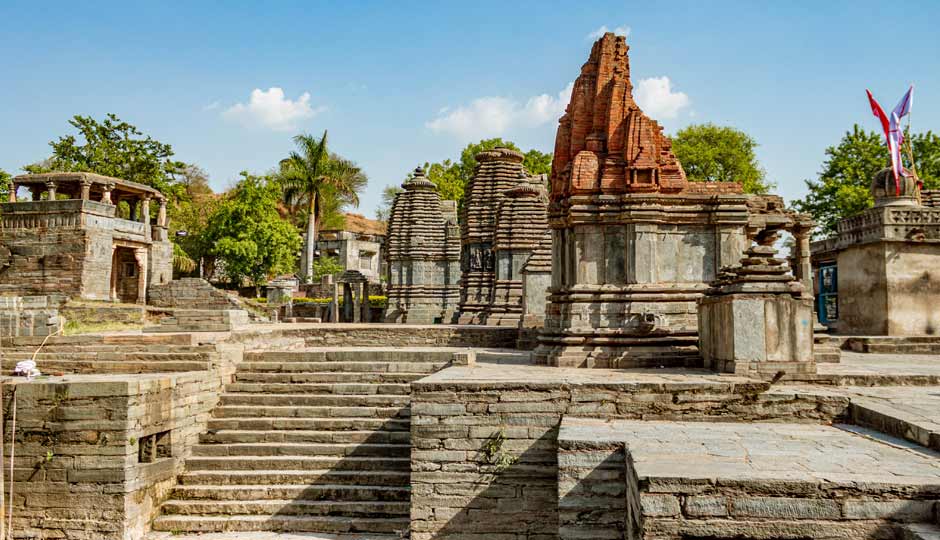
Arthuna, formerly known as Utthunaka, served as the capital of the Paramara rulers of Vagad during the 11th and 12th centuries. The rulers were devoted followers of both Shaivism and Jainism, leading to the construction of several magnificent temples dedicated to Lord Shiva and Jain Tirthankaras.
Today, Arthuna is one of Rajasthan's most significant archaeological sites, featuring the ruins of beautifully carved Hindu and Jain temples dating back to the 11th, 12th, and 15th centuries. Although many structures have weathered the test of time, their intricate stone carvings and architectural brilliance continue to captivate visitors. Among the highlights is the remarkable sculpture depicting Lord Shiva, Goddess Parvati, and Lord Ganesha. Nearby, the Nilkanth Mahadev Temple in the village of Lankiya remains an important place of worship.
Things to Do:
Explore the ancient temple ruins adorned with intricate stone carvings.
Visit the Mandaleshwar Temple and nearby Jain temples.
Admire the remarkable sculptures and historic architecture.
Best Time to Visit: October to March, when the weather is pleasant.
Travel Tip: Hiring a local guide will help you better understand the historical and religious significance of the monuments.
Nearby Attraction: Ancient Sun Temple.
# Tripura Sundari Temple
The Tripura Sundari Temple, popularly known as Turtia Mata Temple, is among Rajasthan's most revered Shakti shrines. The temple houses a magnificent black stone idol of Goddess Tripura Sundari, depicted with 18 arms, each symbolizing divine powers. The goddess is shown seated on a tiger, while the sacred Shri Chakra engraved beneath the idol is regarded as one of the most powerful Tantric symbols in Hinduism.
The temple complex also preserves several ancient idols and sculptures that showcase the region's rich artistic heritage. Every year, especially during Navratri, thousands of devotees visit the temple to seek blessings and participate in grand celebrations, including traditional Dandiya performances.
Things to Do:
Offer prayers and participate in the temple rituals.
Witness the vibrant Navratri festivities.
Admire the ancient idol and temple architecture.
Best Time to Visit: During Navratri (March–April and September–October).
Travel Tip: Visit early during festivals to avoid large crowds.
Nearby Attraction: Beneshwar Dham.
# Dialab Lake
Dialab Lake is one of Banswara's most peaceful and picturesque attractions. Covered with blooming lotus flowers, the lake creates a serene atmosphere perfect for relaxation. Adding to its beauty is the nearby Badal Mahal, or "Palace of Clouds," which offers stunning views of the surrounding landscape.
Visitors can enjoy a leisurely boat ride, stroll along the lakeside pathways, or visit the nearby Hanuman and Krishna temples situated on the lake's banks. The tranquil environment makes Dialab Lake an ideal destination for families, photographers, and nature lovers.
Things to Do:
Enjoy a relaxing boat ride.
Take a peaceful walk along the lakeside.
Go birdwatching and photography.
Visit the nearby temples.
Best Time to Visit: Early morning or late afternoon.
Travel Tip: Carry a picnic basket and camera for the best experience.
Nearby Attraction: Mahi Dam.
# Pir Dargah Abdullah
Pir Dargah Abdullah, also known as Abdulla Pir, is the shrine of Sayeed Abdul Rasul Shaheed and holds immense spiritual significance, especially for the Bohra Muslim community. Located on the southern outskirts of Banswara, the dargah attracts thousands of devotees from across India every year.
The annual Urs festival, celebrated on the 10th day of Rabi' al-Awwal, lasts for six days and features soulful Qawwali performances, religious gatherings, and cultural programs. During this period, the shrine comes alive with pilgrims seeking blessings and spiritual peace.
Things to Do:
Offer prayers and experience the peaceful ambiance.
Admire the beautiful architecture of the shrine.
Attend the Urs celebrations if visiting during the festival.
Best Time to Visit: Throughout the year; evenings offer a calm and pleasant atmosphere.
Travel Tip: Dress modestly and remove your footwear before entering the shrine.
Nearby Attraction: Banswara local market for handicrafts and souvenirs.
# Mahi Dam
Constructed as part of the Mahi Bajaj Sagar Project, Mahi Dam is one of the most popular tourist attractions in Banswara. The dam harnesses the waters of the Mahi River for irrigation and hydroelectric power generation. When its gates are opened, the cascading white waters create a spectacular artificial waterfall that attracts visitors from across the region.
Surrounded by beautifully maintained gardens and fountains, the dam is a perfect destination for family picnics and nature lovers. The Mahi River is also known for its rich biodiversity, with occasional sightings of turtles and crocodiles. Its numerous islands have earned Banswara the nickname "City of Hundred Islands."
Things to Do:
Walk along the dam and enjoy panoramic reservoir views.
Capture stunning sunrise and sunset photographs.
Relax in the nearby gardens.
Explore the scenic surroundings of the Mahi River.
Best Time to Visit: July to September during the monsoon season.
Travel Tip: Bring binoculars if you enjoy birdwatching.
Nearby Attraction: Scenic Mahi River basin, ideal for nature walks.