5 World Heritage Sites To Visit In UAE
By: Priyanka Maheshwari Sun, 25 Oct 2026 10:58:03
When people think of the United Arab Emirates (UAE), images of towering skyscrapers, luxurious shopping destinations, pristine beaches, and oil-driven prosperity often come to mind. However, beyond its modern architecture and impressive infrastructure, the UAE has another side that deserves equal attention.
The country boasts a fascinating history that stretches back thousands of years, long before the discovery of oil transformed its landscape. Its ancient settlements, archaeological treasures, and traditional communities offer a glimpse into the region's rich cultural heritage. From historic oases to Bronze Age tombs, the UAE is home to several remarkable sites that preserve its past and reflect the traditions of early Emirati civilizations.
Here are five famous historical places in the UAE that offer a deeper understanding of the country's heritage and historical significance.
1. Al Ain Oasis
Al Ain Oasis is a remarkable natural and cultural attraction that transports visitors into a peaceful world of lush greenery amid the surrounding desert landscape. Walking through this expansive date-palm grove feels like stepping into a tropical sanctuary, where towering palm trees create shaded pathways and an atmosphere of tranquillity.
Spread across approximately 1,200 hectares, Al Ain Oasis is home to more than 147,000 date palm trees and numerous other plant varieties. One of its most fascinating features is the traditional falaj irrigation system, an ancient method of distributing water through a network of channels. This ingenious system has supported agriculture and sustained communities in the arid environment for centuries.
According to local historical accounts, Sheikh Zayed bin Sultan Al Nahyan, the founding father of the UAE, had a close connection with Al Ain and its surrounding landscape.
With a history spanning thousands of years, Al Ain Oasis represents the region's longstanding relationship with agriculture, water conservation, and sustainable living. It forms part of the Al Ain Cultural Sites, which were collectively inscribed on the UNESCO World Heritage List in 2011.
For travellers interested in history, nature, and traditional Emirati culture, Al Ain Oasis offers an opportunity to explore the country's heritage beyond its modern urban centres.
2. Hili Archaeological Park
Located approximately 15 kilometres from central Al Ain, Hili Archaeological Park is one of the UAE's most significant archaeological attractions. The site combines historical ruins with landscaped gardens, making it an appealing destination for history enthusiasts and families alike.
The archaeological remains reveal evidence of human settlement and agricultural development dating back several thousand years. The area is particularly associated with the Bronze Age, including the Umm an-Nar period, which flourished in the region between approximately 2700 and 2000 BCE.
One of the park's most notable attractions is the ancient circular tomb, featuring entrances and stone structures that provide valuable insights into the burial practices and architectural abilities of early communities. Archaeologists have also discovered settlements, tombs, and other remains that shed light on the region's social and economic development.
The wider archaeological landscape includes evidence of ancient irrigation systems, including falaj channels, which demonstrate how early inhabitants adapted to the challenging desert environment.
Hili Archaeological Park is also known for its green spaces, trees, walking areas, and family-friendly surroundings. Visitors can explore the historical remains while enjoying a relaxing outdoor experience.
As part of the Al Ain Cultural Sites recognised by UNESCO, Hili offers a fascinating glimpse into the UAE's ancient past. It is an excellent destination for travellers who want to understand how early communities lived, farmed, and developed organised settlements in the Arabian Peninsula.
3. Khor Dubai (Dubai Creek)
Khor Dubai, commonly known as Dubai Creek, is one of the most historically significant landmarks in the emirate. This natural saltwater inlet played a crucial role in the development of Dubai by supporting fishing, pearling, boat building, and maritime trade.
The creek traditionally divided the historic city into two principal districts: Deira and Bur Dubai. For generations, merchants and traders used its waters to transport goods and establish commercial connections with neighbouring regions and countries beyond the Arabian Peninsula.
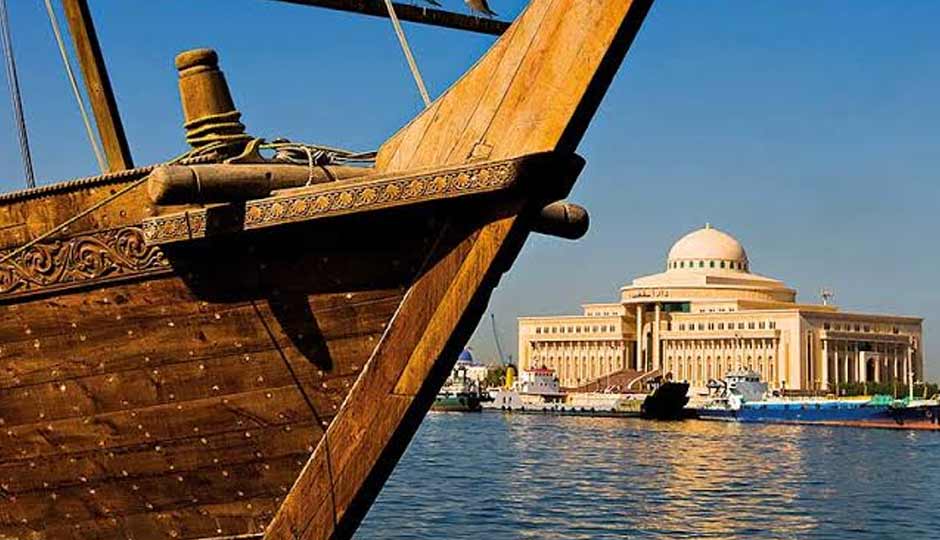
Before Dubai became an international centre for tourism, finance, and business, the creek served as the heart of its commercial life. Traditional wooden boats, known as dhows, continue to operate along its waters, offering visitors a glimpse of the city's maritime traditions.
The historic neighbourhoods surrounding Dubai Creek also preserve elements of traditional Emirati architecture. Wind-tower houses, narrow lanes, and historic trading areas reflect the architectural styles and lifestyles of communities that once flourished along its banks.
The wider region of the UAE contains several important archaeological sites that reveal evidence of ancient civilisations, including settlements associated with the Bronze Age and pre-Islamic periods. These discoveries demonstrate that the country's history extends far beyond the modern development of Dubai.
Although Dubai Creek itself is not currently a UNESCO World Heritage Site, its historical and cultural importance has made it a significant part of the emirate's heritage. Its role in shaping Dubai's identity and economy makes it an essential stop for travellers interested in the city's origins.
A visit to Khor Dubai provides a different perspective on the emirate, allowing visitors to discover the traditions, trading networks, and maritime activities that contributed to its transformation into a global destination.
4. Sharjah: The Gate to the Trucial States
Sharjah holds a special place in the history of the UAE, with its heritage reflecting the region's ancient settlements, maritime connections, and traditional trading activities. Historically associated with the Trucial States, the emirate developed into an important centre for commerce and cultural exchange along the Arabian Gulf.
Archaeological discoveries in Sharjah and its surrounding areas indicate that human activity in the region dates back tens of thousands of years. Some discoveries provide evidence of early human presence dating to the Palaeolithic period, highlighting the area's importance in understanding prehistoric migration and settlement.
Sharjah also played a significant role in the regional pearl trade, which supported local communities before the discovery of oil. Its coastal location helped establish connections between merchants, fishermen, and traders operating throughout the Gulf.
The emirate has made considerable efforts to preserve its historical buildings, traditional neighbourhoods, museums, and archaeological remains. These conservation initiatives help protect its architectural heritage while allowing visitors to explore the region's cultural evolution.
The historic heart of Sharjah is particularly notable for its traditional houses, heritage museums, restored buildings, and narrow streets. These attractions offer insights into the everyday lives of people who lived and worked in the region before modern urban development transformed the UAE.
Sharjah's historical significance has also been documented by early geographers and travellers, reflecting its longstanding role in regional trade and settlement.
Today, the emirate provides an interesting example of how historic towns can preserve their cultural identity while embracing modern development. For visitors interested in architecture, archaeology, and traditional Emirati life, Sharjah offers a rewarding journey into the country's past.
5. Jebel Hafeet Tombs
The Jebel Hafeet Tombs are among the UAE's most important archaeological landmarks, offering a glimpse into the region's early Bronze Age civilisation. Located near the base of Jebel Hafeet Mountain in Al Ain, these ancient burial structures date back approximately 5,000 years.
The tombs are particularly distinctive because of their beehive-like shapes and stone construction. Their design reflects the burial traditions and architectural skills of the communities that inhabited the region during the early Bronze Age.
Archaeological excavations at Jebel Hafeet have uncovered pottery, copper objects, and other artefacts that provide valuable information about the lives of early inhabitants. These discoveries suggest that the region participated in broader trading networks and supported communities with established social and economic practices.
The tombs are also significant because they represent an important stage in the development of Bronze Age culture in the Arabian Peninsula. Their archaeological value helps researchers understand ancient burial customs, settlement patterns, and the emergence of organised communities in the region.
The Jebel Hafeet Tombs form part of the Al Ain Cultural Sites recognised by UNESCO. Together with other archaeological landmarks in the area, they demonstrate the historical depth of the UAE and the importance of preserving its ancient heritage.
Beyond their historical significance, the tombs are surrounded by the dramatic landscape of Jebel Hafeet Mountain, which adds to the area's appeal. Visitors should check current access arrangements before planning a visit, as access to archaeological areas may be restricted.
Other notable archaeological sites in the UAE include the settlement and cemetery on Umm an-Nar Island near Abu Dhabi, which provide further evidence of the region's Bronze Age civilisation. Sir Bu Nair Island is another environmentally and geologically significant location in the country.