10 Offbeat Places To Visit In Leh Ladakh
By: Shikha Mon, 08 Jun 2026 8:16:59
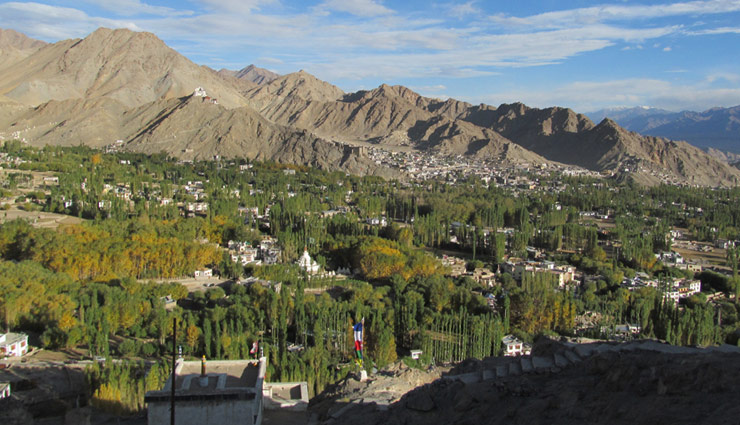
Nestled amidst the towering Himalayas, Ladakh is a destination unlike any other. Often referred to as the "Land of Lamas," this high-altitude desert is a fascinating blend of rugged landscapes, ancient monasteries, rich culture, and unmatched serenity. Although tourism has expanded significantly over the years, Ladakh continues to preserve an aura of exclusivity and wonder that captivates every traveler who sets foot here.
For adventure seekers, photographers, bikers, and nature enthusiasts, Ladakh is more than just a travel destination—it is an experience that leaves a lasting impression. From crystal-clear lakes and dramatic mountain passes to remote villages and centuries-old Buddhist monasteries, every corner of this region tells a story waiting to be discovered. What makes Ladakh truly special is that no matter how many times you visit, there is always something new to explore.
Even with its growing popularity among domestic and international tourists, much of Ladakh remains untouched and remarkably pristine. The region’s raw beauty, peaceful atmosphere, and breathtaking scenery create a sense of escape that is increasingly rare in today’s fast-paced world. Each destination here offers a completely different perspective, making every journey through Ladakh feel unique and unforgettable.
If someone were to ask me to choose just one place to keep returning to for the rest of my life, Ladakh would undoubtedly be at the very top of that list. Its charm never fades, its landscapes never lose their magic, and every visit feels like the first.
So, without further ado, here is my carefully curated list of the 10 must-visit places in Ladakh—though, truth be told, every traveler who falls in love with this magical land would probably have a list of their own.
# Turtuk
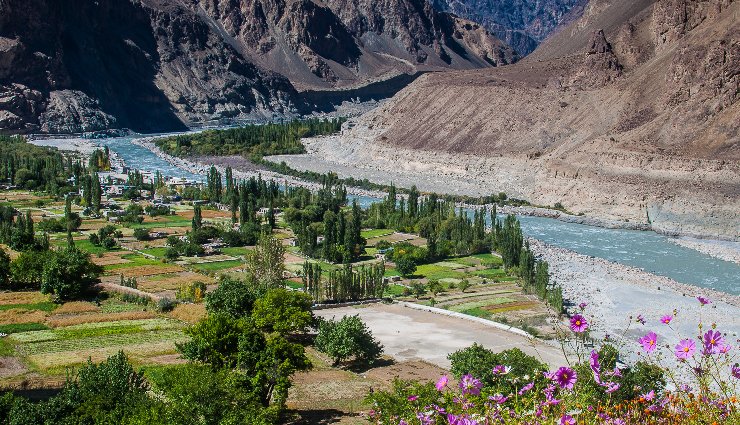
Turtuk, hands down, tops my list of hidden gems waiting to be discovered. This village, shaped by its intricate history with the Indo-Pakistan border, has incredible stories to tell. Only open to tourists since 2010, Turtuk was part of Pakistan-Occupied Kashmir until 1971, before becoming a part of Indian territory. Nestled along the Shyok River, bordered by Nubra on one side and Baltistan on the other, this small settlement of 4,000 people is the northernmost village before Pakistan-Occupied Kashmir. Turtuk’s rich history and its colorful apricot plantations make it a cultural and natural wonder.
# Hanle
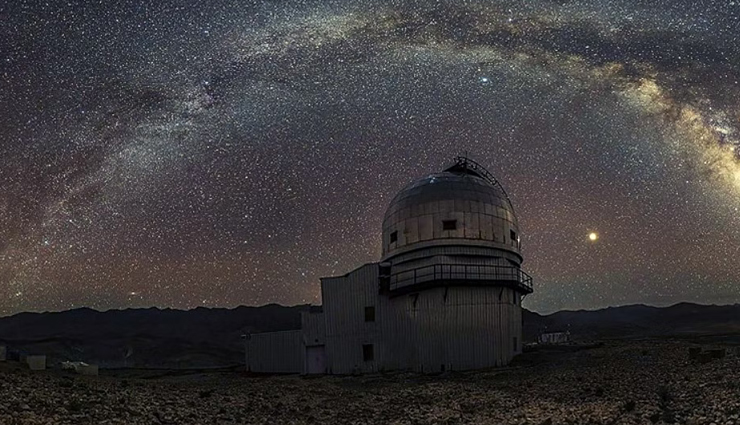
Located in the Changthang region, Hanle has an almost spiritual charm that’s deeply soothing. Home to around 300 people, it features a serene monastery with just 10 monks. The views from the top are awe-inspiring. Hanle is near the Line of Actual Control, just 19 km from the disputed border, and is home to the Indian Astronomical Observatory. Because of its proximity to the Tibetan/Chinese border, special permission is required to visit the village and observatory.
# Uleytokpo
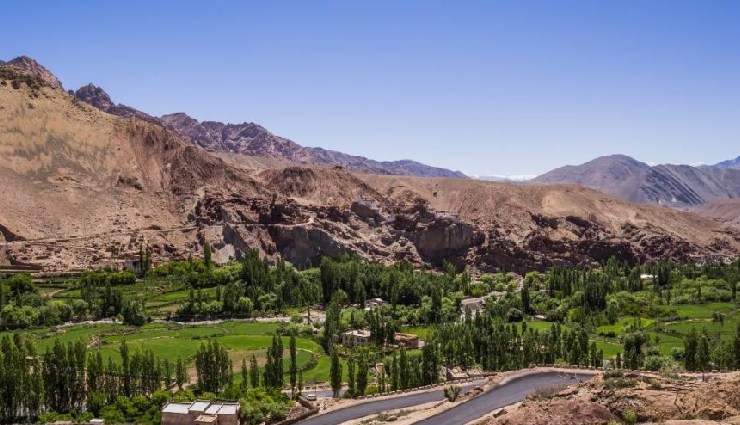
Situated 60 km from Leh in Sham Valley, Uleytokpo is a peaceful camping spot by the Indus River. It’s an ideal retreat for those seeking solitude in nature, with options to stay in tents or cottages. Surrounded by lush greenery in the summer months, it’s the perfect spot for travelers looking for a base to explore the region in tranquility, with the calming sounds of the river as your backdrop.
# Changthang Region (Chusul – Nyoma)
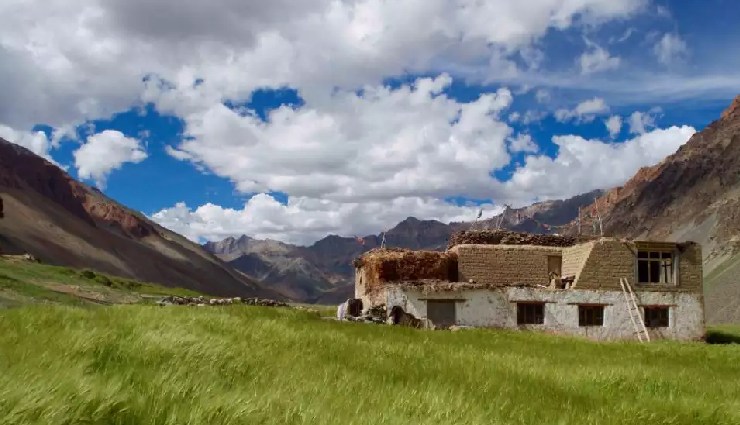
The Changthang Plateau, part of Tibet, offers a stark, breathtaking landscape with no visible flora. At 15,400 ft, it's colder than most of Ladakh and home to the rare Changpa nomads and their Changi goats, prized for their wool. The Changthang Wildlife Sanctuary is home to rare animals, including snow leopards, wolves, and gazelles. Chusul and Nyoma villages lie within this region, with direct access from Pangong Tso to Tso Moriri.
# Rangdum in Suru Valley
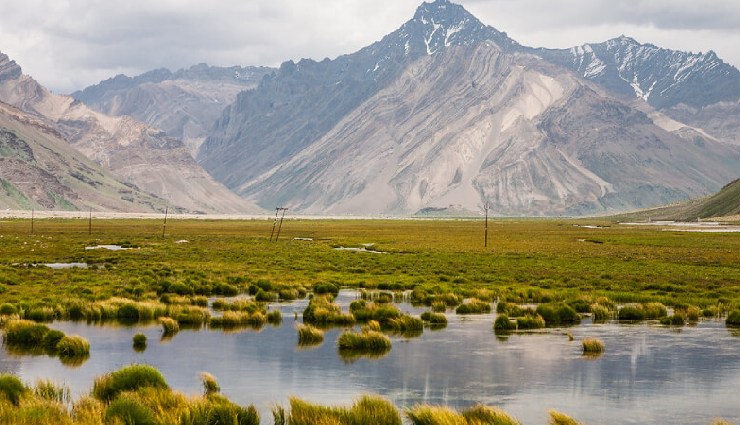
Rangdum, located ahead of Kargil in Suru Valley, is a Buddhist village that offers an intriguing contrast in its landscape—one side lush and colorful, the other dominated by glaciers and mountains. The 16th-century Rangdum Monastery, home to around 45 monks, provides a peaceful atmosphere perfect for reflection.
# Tirith – Sumur in Nubra Valley
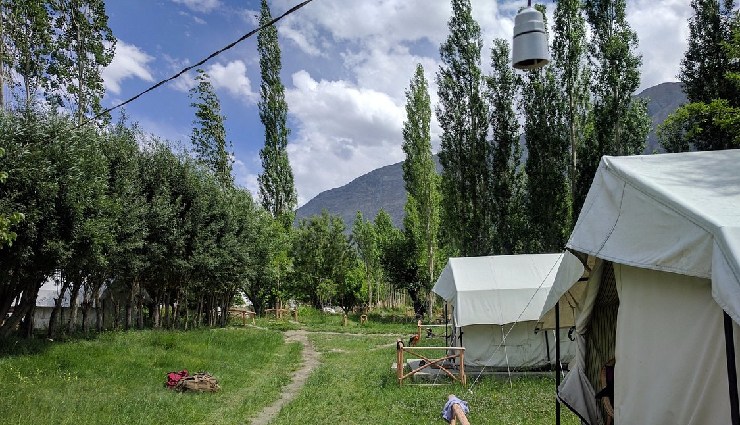
Tirith, near Nubra River in Nubra Valley, is known for the Samstanling Gompa, a monastery built in 1841. Unlike many ancient monasteries, this one’s relatively modern, offering a unique visual experience with colorful paintings and silk scroll depictions of deities. It’s a great starting point for hikes to smaller settlements in the area.
# Yarab Tso Lake & Panamik
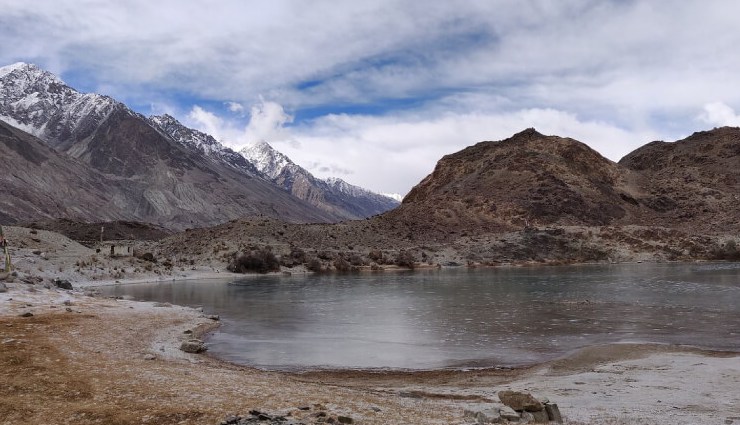
Panamik, located 55 km from Diskit, is known for its hot Sulphur springs, believed to have medicinal properties. While not a fan of the springs myself, they offer a relaxing retreat for weary travelers. Panamik lies en route to Siachen Glacier, marking the last civilian-accessible point before the border. The springs are divided into separate pools for men and women, making it a rejuvenating stop.
# Basgo Palace / Ruins
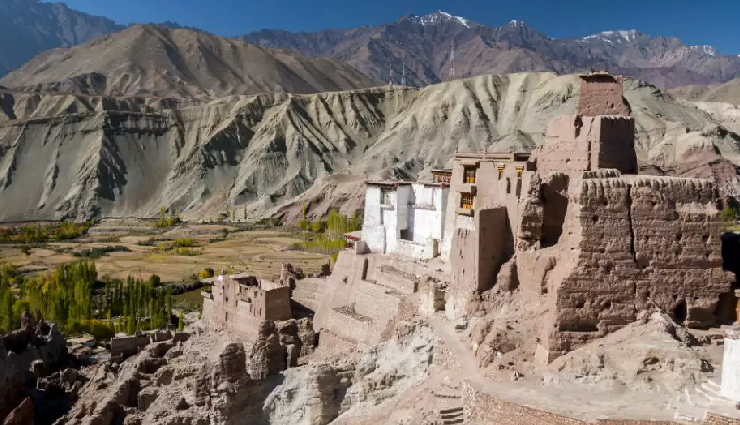
Basgo, a historical gem located 40 km from Leh, is home to a mostly abandoned monastery and palace ruins. While not often visited, the monastery, dedicated to Maitreya, the Buddha of the future, is steeped in history. The picturesque ruins and the surrounding landscape make it a memorable stop for history enthusiasts.
# Upshi & Nearby Monasteries
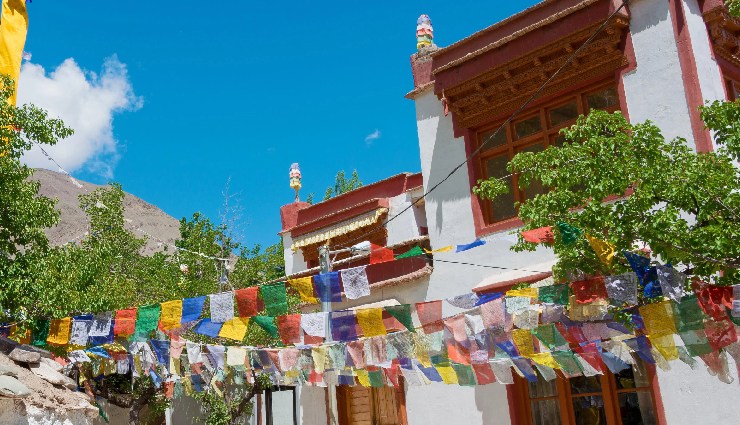
Upshi is a small town located just before Leh on the Leh-Manali highway. It offers a quiet, rural vibe and is known for its proximity to several monasteries like Stok, Stakna, Hemis, Thiksey, and Shey. A great stop if you’re traveling the Leh-Manali route, Upshi is where the famous Pashmina wool is collected from sheep.
# Rumtse
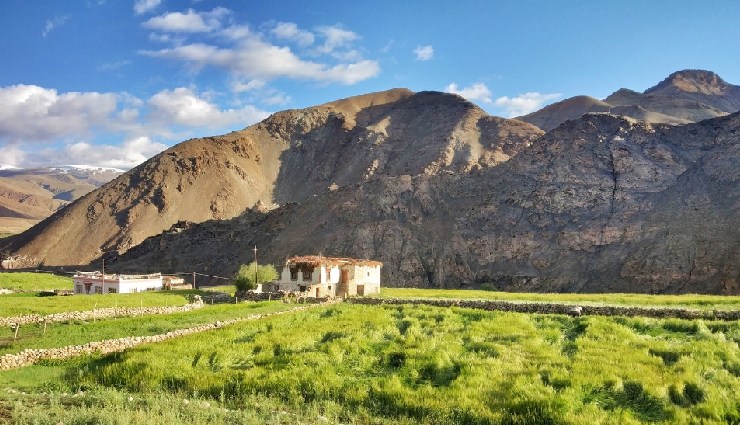
Situated along the Leh-Manali highway, Rumtse is the entry point for the Tso-Moriri trek. A lush area in contrast to the barren beauty typical of Ladakh, it’s perfect for appreciating the region’s natural diversity. The village also serves as the starting point for a 9-day trek to Tso-Moriri, making it a great base for adventurers.
Related Stories: