10 Tips To Care For Your House Plants
By: Priyanka Maheshwari Sat, 28 Mar 2026 7:30:51
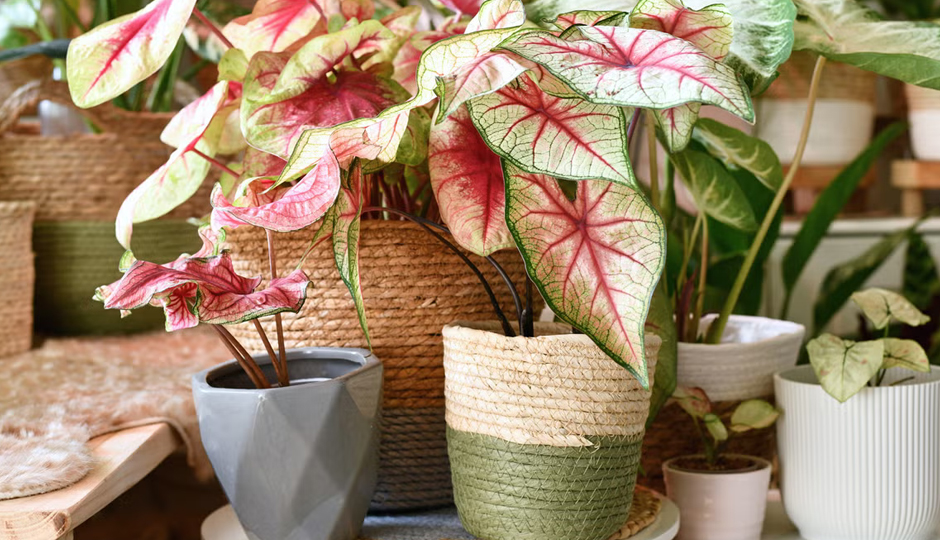
After a long, exhausting day, imagine being greeted by the gentle fragrance of jasmine and its calming, eye-soothing blooms. Or picture your dishes being praised for their delightful flavors, enhanced by fresh herbs like basil, rosemary, and oregano. Yet, modern lifestyles often limit our connection with greenery.
The dull, concrete surroundings of urban life can feel repetitive and draining. Adding a small green corner to your home can instantly uplift your mood, relax your eyes, and refresh your mind.
If you plan to keep indoor plants, it’s essential to understand how to care for them properly. Every plant has unique needs—some thrive in bright light, while others do better in shade. Knowing the right care techniques will help keep your plants healthy and vibrant.
Here are some simple and effective tips to care for your houseplants:
# Understand Watering Needs
Plants need water to prepare their food, but overwatering can be harmful. Ensure your pots have drainage holes and water the plant until excess water starts to drain out. Avoid waterlogging, as it can lead to root rot.
# Maintain Humidity
Brown spots on leaves often indicate low humidity. To increase moisture, place plants close together so they can share humidity. You can also keep pots on trays filled with water-soaked pebbles or bricks.
# Provide Proper Light
Some plants, like snake plants or cast iron plants, can grow well in low light and can be placed in corners or behind curtains. However, most plants require bright light, especially during flowering, so placing them in well-lit areas is ideal.
# Refresh the Soil
If your plant isn’t thriving despite proper watering and light, the soil might be depleted of nutrients. Replacing old soil with fresh, nutrient-rich soil can revive your plant.
# Keep Plants Clean
Dust can block sunlight and affect growth. Gently clean leaves using lukewarm water. For larger plants, use a spray bottle or wipe leaves with a soft cloth or sponge.
# Watch for Pests
While pollinators like bees and butterflies are beneficial, pests such as spiders, mealybugs, and molds can harm your plants. Regularly inspect your plants and remove pests early.
# Repot When Needed
Plants bought from nurseries often come in small pots. Repot them into larger containers as they grow to give roots enough space to expand.
# Prune Regularly
Remove yellow leaves, trim excess branches, and cut off dried flowers. This helps maintain the plant’s shape and encourages healthy growth.
# Use Natural Fertilizers
Manure and compost enrich the soil with nutrients. Instead of chemical fertilizers, you can use tea leaves, fruit peels, or vegetable scraps as organic alternatives.
# Keep Plants Together
Plants thrive better in groups. Keeping them close not only improves humidity but also creates a lively, refreshing green space in your home.