
12 Tips To Help You Maintain Indoor Plants
By: Priyanka Maheshwari Sun, 28 Dec 2025 2:41:47
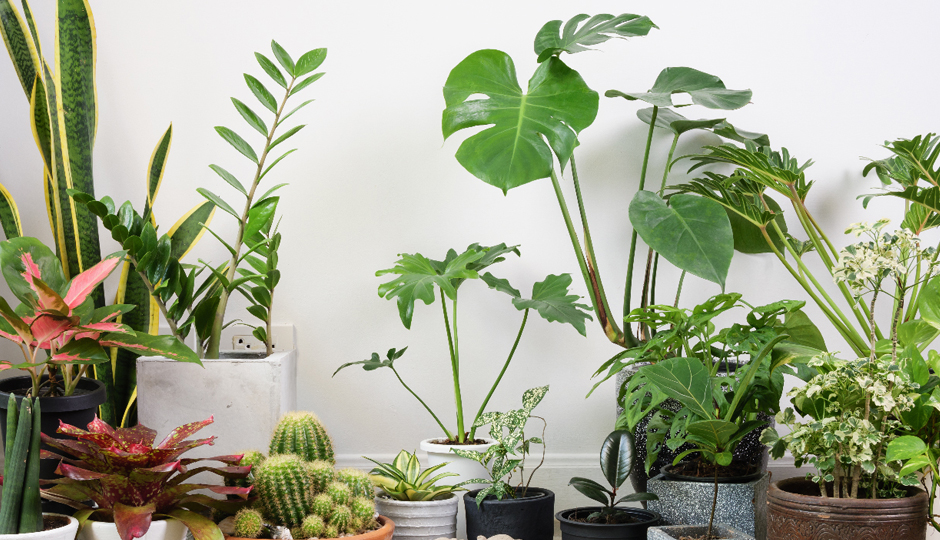
Indoor plants instantly elevate the look and feel of a home or any space they’re placed in. Beyond enhancing aesthetics, many houseplants help purify the air and create a calming, positive atmosphere. Caring for indoor plants means offering the right environment, consistent attention, and proper maintenance so they can grow healthy and happy.
# Choose the Right Plants
Every plant has unique needs, so begin by selecting varieties that suit your home’s light, temperature, and humidity levels. Assess your indoor conditions carefully before bringing plants home.
# Provide Adequate Light
Light is essential for photosynthesis, which helps plants produce energy. Indoor plants generally fall into three categories:
Low light: Plants like snake plants, pothos, and peace lilies that tolerate dim conditions.
Medium light: Plants such as spider plants and philodendrons that thrive in bright, indirect light.
High light: Sun-loving plants like succulents and cacti that need direct sunlight.
# Water Wisely
Overwatering is one of the most common mistakes in indoor plant care. Water only when the top inch of soil feels dry. Ensure pots have proper drainage and use saucers to collect excess water. When in doubt, it’s safer to underwater than overwater.
# Maintain Proper Humidity
Many indoor plants, especially tropical varieties, prefer higher humidity. You can boost moisture levels by misting leaves, using pebble trays with water, or placing a humidifier nearby.
# Maintain a Stable Temperature
Protect plants from drafts and sudden temperature changes, as these can cause stress. Most indoor plants thrive in temperatures ranging from 15°C to 24°C (60°F to 75°F).
# Use Fertilizer Sparingly
Indoor plants need nutrients, but in smaller amounts than outdoor plants. During the growing season—spring and summer—feed them a diluted, balanced fertilizer every 4–6 weeks. Cut back or stop fertilizing in fall and winter.
# Pruning and Deadheading
Regularly remove yellow or dead leaves using clean pruning scissors. This encourages fresh growth and helps prevent disease.
# Manage Pests and Diseases
Watch for pests like aphids, spider mites, and mealybugs, as well as issues like mould or mildew. Isolate affected plants and treat them promptly using natural solutions such as neem oil or insecticidal soap.
# Repot When Needed
As plants grow, they may outgrow their containers. Repot them every 1–2 years, preferably in spring, using fresh potting soil and a slightly larger pot.
# Provide Plant Support
Vining or tall plants may need stakes or supports to grow upright and stay stable.
# Rotate Plants Regularly
Turn your plants every few weeks so all sides receive equal light, ensuring balanced and even growth.
# Observe and Adjust Care
Pay close attention to how your plants respond. Each plant has its own personality and needs, so tweak your care routine accordingly.