- Home›
- Mates & Me›
- 10 Ways To Set Personal Boundaries
10 Ways To Set Personal Boundaries
By: Priyanka Maheshwari Thu, 30 Jul 2026 10:46:49
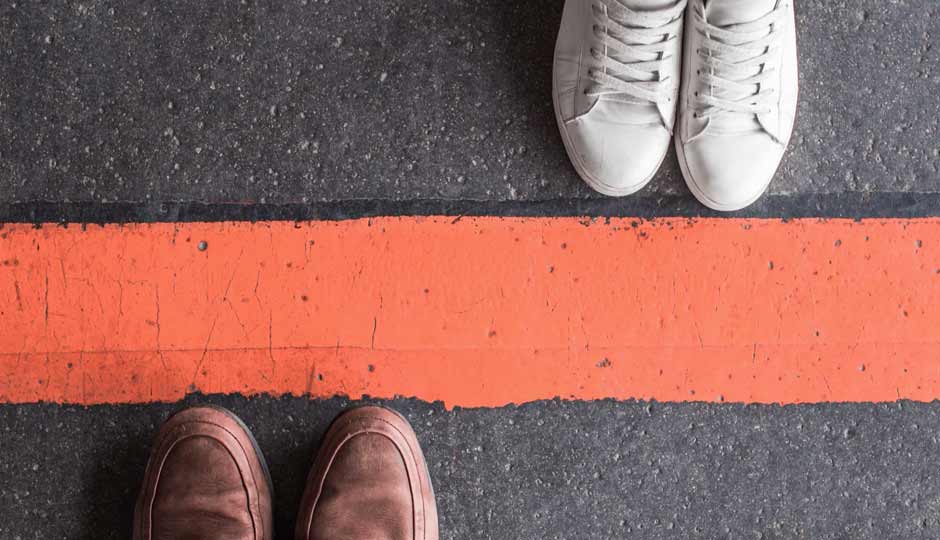
Setting personal boundaries is one of the most important steps toward living a happy, balanced, and emotionally healthy life. Boundaries help you stay true to your values, protect your mental well-being, and create healthier relationships. When you constantly ignore your own needs or allow others to cross your limits, stress, resentment, and frustration often follow.
Healthy boundaries are especially important in relationships. Without clearly defined limits, people may unknowingly overstep, leaving you feeling uncomfortable, disrespected, or taken for granted. However, it's important to remember that others cannot read your mind. Unless you communicate your expectations, they may not realize what makes you feel valued or uncomfortable.
Learning to set personal boundaries requires self-reflection, confidence, and consistency. Although it may feel challenging at first, the long-term benefits are well worth the effort.
# Identify What Truly Matters to You
The first step in setting healthy boundaries is understanding your personal values, needs, and priorities. Ask yourself what makes you feel respected, safe, and emotionally secure in your relationships and daily life.
For example, if honesty and loyalty are essential to you, you may establish a boundary that you will not tolerate cheating or dishonesty in a relationship. Defining your non-negotiables helps you create clear expectations and prevents confusion later on.
# Think Carefully Before Setting a Boundary
Before communicating a boundary, take time to reflect on it. Make sure it genuinely aligns with your beliefs and values rather than being based on temporary emotions.
Listen to your instincts. If a boundary makes you feel empowered, secure, and at peace, it's likely the right choice. If it feels forced or uncertain, give yourself more time to think it through.
Changing your boundaries frequently can confuse others, so it's best to establish limits that reflect your core values and remain consistent whenever possible.
# Communicate Your Boundaries Clearly
Setting boundaries is only effective when others understand them. Be honest, respectful, and direct when expressing your expectations.
You don't need to present a list of rules. Instead, communicate your limits naturally during relevant conversations. Make sure your message is clear enough that there is little room for misunderstanding or misinterpretation.
When your boundaries are clearly communicated, it becomes much easier to address situations where someone crosses the line.
# Never Feel Guilty for Protecting Yourself
Healthy boundaries are not selfish—they're an act of self-respect. Never allow anyone to make you feel guilty for protecting your emotional well-being or standing up for your needs.
People who genuinely care about you will respect your limits and work with them. On the other hand, someone who repeatedly makes you feel guilty for having boundaries may simply be frustrated that they can no longer take advantage of your kindness.
# Stay Consistent with Your Boundaries
Consistency builds trust and self-respect. Once you've established a boundary, make every effort to follow it yourself.
For example, if you expect honesty from others, practice honesty in return. If you ask people to respect your time, be respectful of theirs as well. Consistency reinforces your boundaries and encourages others to take them seriously.
# Prioritize Self-Care
At the heart of every healthy boundary is self-care. Looking after your physical, emotional, and mental well-being allows you to maintain healthy relationships without losing yourself.
No matter how busy life becomes, make time for yourself. Whether it's enjoying a hobby, resting, or simply spending quiet time alone, remember that your needs are just as important as everyone else's.
Self-care isn't selfish—it helps you become a healthier, happier version of yourself while allowing you to support others more effectively.
# Follow Through with Consequences
Boundaries are most effective when they include clear consequences. If someone repeatedly ignores or violates your limits, they should understand that their actions have consequences.
This doesn't mean ending a relationship over a single mistake. Everyone makes occasional errors. However, if someone continually disregards your boundaries despite repeated conversations, it may indicate a lack of respect rather than an honest mistake.
Standing by your boundaries demonstrates self-respect and encourages healthier interactions.
# Learn to Say "No" Without Apologizing
One of the most powerful ways to protect your boundaries is learning to say no.
If you're overwhelmed with commitments, decline additional responsibilities. If you don't want to attend an event, politely refuse. If someone constantly brings unnecessary drama into your life, it's okay to step away.
Saying no doesn't make you rude—it means you're choosing what is healthiest for your well-being. Over time, people will learn to respect your decisions instead of expecting you to always put their needs first.
# Reevaluate Your Relationships and Priorities
Healthy boundaries sometimes require difficult decisions. Take an honest look at the people and situations in your life.
Ask yourself whether certain friendships, relationships, or commitments are helping you grow or simply draining your energy. Are you constantly trying to please people who don't appreciate your efforts? Are you sacrificing your happiness to avoid disappointing others?
Reassessing your priorities allows you to focus on the relationships and experiences that truly enrich your life.
# Treat Others with the Same Respect You Expect
Healthy boundaries work both ways. If you expect others to respect your limits, you should respect theirs as well.
Show kindness, listen carefully, respect personal space, and honor other people's choices. Leading by example encourages mutual respect and creates stronger, healthier relationships built on trust and understanding.
Ultimately, people often learn how to treat you by observing how you treat both yourself and those around you.