25 Amazing Benefits Of Amrood (Guava) For Skin And Hair
By: Priyanka Maheshwari Fri, 20 Nov 2026 10:37:10
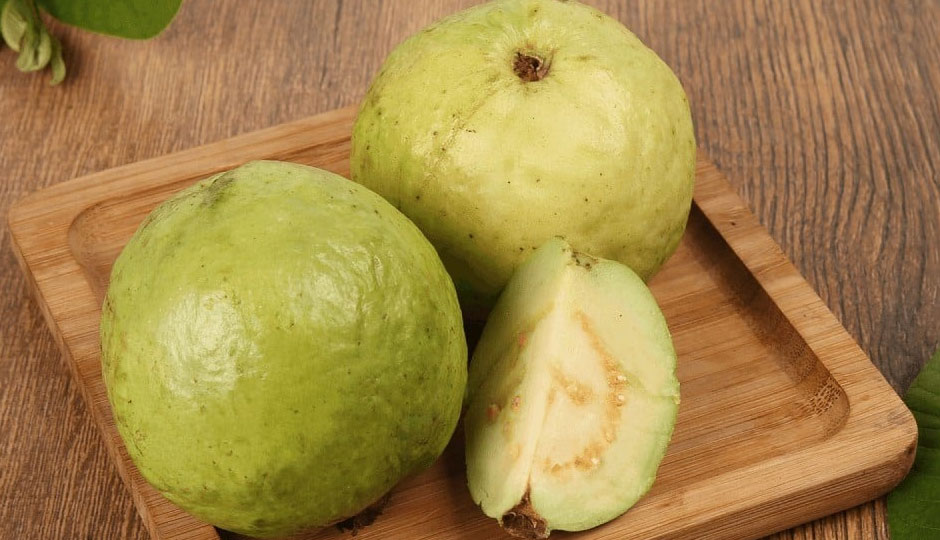
Amrood, commonly known as guava, is one of the most nutritious tropical fruits and is widely appreciated for its delicious taste and impressive health benefits. Packed with vitamin C, antioxidants, dietary fibre, vitamin A, potassium and other essential nutrients, guava can be a valuable addition to a healthy diet. Apart from supporting overall health, this nutrient-rich fruit may also contribute to healthier skin and stronger hair.
Guava is particularly beneficial for skin health because it contains a high concentration of vitamin C, which plays an important role in collagen production. Collagen helps maintain skin firmness, elasticity and a youthful appearance. Its antioxidant properties may also help protect skin cells from oxidative stress caused by environmental factors such as pollution and ultraviolet radiation.
When it comes to hair, guava provides nutrients such as vitamin C, vitamin A and folate that support normal hair and scalp health. Adequate vitamin C also improves the absorption of iron from plant-based foods, helping the body maintain healthy iron levels, which are important for normal hair growth.
Whether eaten fresh, added to fruit salads or included in smoothies, guava is an easy and affordable way to add beneficial nutrients to your everyday diet. Let's explore the 15 amazing benefits of amrood for skin and hair.
Benefits of Amrood for Skin
1. Helps Maintain Healthy and Glowing Skin
Guava is an excellent source of vitamin C, an essential nutrient that supports healthy skin. Vitamin C contributes to collagen formation and helps protect skin cells against oxidative damage.
Regularly including guava in a balanced diet can help provide the nutrients your body needs to maintain healthy-looking skin. Its antioxidant content may also help reduce the effects of oxidative stress, which can contribute to premature skin ageing.
2. Supports Collagen Production
Collagen is an important structural protein responsible for maintaining skin firmness, elasticity and strength. As we age, natural collagen production gradually declines, which can contribute to fine lines, wrinkles and loose skin.
Guava contains vitamin C, which is essential for the body's natural collagen synthesis. Eating guava regularly can help supply this vitamin and support the maintenance of healthy skin structure.
3. Helps Protect Skin from Free Radical Damage
Free radicals are unstable molecules produced naturally in the body and through exposure to pollution, sunlight and other environmental factors. Excessive free radical activity can damage skin cells and contribute to premature ageing.
Guava contains antioxidants, including vitamin C and carotenoids, which help protect cells against oxidative stress. Including antioxidant-rich fruits such as guava in your diet can support your body's natural defence mechanisms.
4. May Help Reduce the Appearance of Premature Ageing
Fine lines, wrinkles and dullness are common signs of ageing. Factors such as sun exposure, pollution, smoking and oxidative stress can accelerate visible skin ageing.
The vitamin C and other antioxidant compounds in guava support normal skin function and collagen formation. Although eating guava cannot eliminate wrinkles, it can contribute to a nutrient-rich diet that supports healthy ageing.
5. Supports Skin Repair and Healing
Vitamin C plays an important role in normal wound healing because it is required for collagen formation and tissue repair.
Guava can help supply vitamin C, supporting the body's natural healing processes. Adequate vitamin C intake is particularly important for maintaining healthy skin tissue and supporting recovery from minor skin injuries.
6. Helps Maintain Skin Hydration
Healthy skin requires adequate hydration from both internal and external sources. Guava contains a high percentage of water, which contributes to daily fluid intake.
It also provides nutrients that support normal skin function. Eating fresh guava alongside drinking sufficient water can be part of a healthy routine for maintaining skin hydration.
However, guava alone cannot treat dry skin or replace a suitable moisturiser.
7. May Support an Even-Looking Skin Tone
Vitamin C is involved in several processes that influence skin pigmentation. It is also used in topical skincare products because of its antioxidant properties and its ability to influence melanin production.
Eating guava provides vitamin C that supports overall skin health. However, consuming guava should not be considered a treatment for pigmentation, dark spots or uneven skin tone.
8. Helps Support the Skin's Natural Defence System
The skin acts as a protective barrier against environmental irritants, microorganisms and pollutants. Maintaining this barrier requires adequate nutrition.
Guava supplies vitamin C and other beneficial plant compounds that support normal cellular function. A balanced diet containing fruits and vegetables can help maintain the body's natural protective mechanisms.
Important: Eating guava does not replace sunscreen or other sun-protection measures.
9. May Help Support Healthy Skin in People with Vitamin C Deficiency
Vitamin C deficiency can affect collagen formation and may lead to symptoms such as rough skin, poor wound healing and fragile blood vessels.
Because guava is particularly rich in vitamin C, it can be a useful dietary choice for improving vitamin C intake. Maintaining adequate levels of this nutrient supports normal skin structure and function.
10. May Help Reduce Skin Dullness
Dull-looking skin can be associated with dehydration, environmental exposure, ageing and inadequate nutrition.
Guava provides vitamin C and antioxidant compounds that support normal skin health. Including it in your daily fruit intake can help ensure that your body receives essential nutrients needed for healthy skin.
However, glowing skin also depends on adequate sleep, hydration, sun protection and a balanced diet.
11. Supports Healthy Skin Cell Function
Skin cells constantly undergo renewal and repair. Vitamins and antioxidants play an important role in maintaining normal cellular functions.
Guava contains vitamin C and plant-based antioxidants that help protect cells from oxidative stress. Its nutritional value makes it a useful addition to a balanced diet for maintaining healthy skin.
12. May Help Support Skin Health During Ageing
As the body ages, collagen production gradually decreases, and the skin may become less firm and elastic.
Guava provides vitamin C, which is necessary for collagen formation. Consuming vitamin C-rich foods can help support normal collagen production and maintain healthy connective tissue.
13. Provides Antioxidants That Support Skin Health
Guava contains several beneficial plant compounds, including carotenoids and polyphenols. These compounds have antioxidant properties.
Antioxidants help the body manage oxidative stress, which can affect skin cells over time. Eating guava as part of a varied diet can contribute to overall antioxidant intake.
14. Helps Support Normal Wound Healing
Healthy skin requires collagen to repair damaged tissues. Vitamin C is essential for collagen synthesis and plays an important role in wound healing.
Eating guava can help supply vitamin C, supporting the body's natural tissue-repair processes.
15. Supports Overall Skin Nutrition
Healthy skin requires several nutrients, including vitamins, minerals, antioxidants and adequate protein.
Guava provides vitamin C, carotenoids, fibre and other beneficial plant compounds. Including it in a balanced diet helps improve overall nutritional variety and supports normal skin function.
Benefits of Amrood for Hair
1. Supports Healthy Hair Growth
Healthy hair growth depends on several factors, including genetics, hormones, nutrition and scalp health.
Guava contains vitamin C, which supports normal tissue formation and helps the body absorb iron from plant-based foods. Iron is important for transporting oxygen throughout the body, including to tissues involved in hair growth.
Including guava in a balanced diet can help provide nutrients that support normal hair health.
2. Helps Maintain Healthy Hair Follicles
Hair follicles require a continuous supply of nutrients to function properly. A diet lacking essential vitamins and minerals can affect normal hair growth.
Guava provides vitamin C and other micronutrients that contribute to overall nutritional health. Its vitamin C content also helps improve the absorption of non-haem iron from foods such as lentils, beans and leafy vegetables.
3. May Help Reduce Hair Problems Associated with Nutritional Deficiencies
Nutritional deficiencies, particularly deficiencies of iron and certain other nutrients, can contribute to hair shedding.
Guava contains vitamin C, which improves the absorption of iron from plant-based foods. Eating guava alongside iron-rich foods may therefore help improve dietary iron utilisation.
However, guava cannot independently treat hair loss caused by iron deficiency or other medical conditions.
4. Provides Antioxidants for Scalp Health
The scalp is exposed to environmental factors such as pollution and ultraviolet radiation. Oxidative stress can affect skin cells, including those on the scalp.
Guava contains vitamin C and other antioxidant compounds that help protect cells against oxidative damage.
A diet containing antioxidant-rich fruits and vegetables can contribute to overall scalp and skin health.
5. Supports Collagen Formation Around Hair Follicles
Collagen is an important structural protein found in connective tissues throughout the body.
Vitamin C is necessary for collagen synthesis. Since guava is rich in vitamin C, eating it can support the body's normal collagen production and help maintain healthy connective tissues around hair follicles.
6. Helps Maintain Healthy Scalp Skin
The scalp is skin and requires proper nutrition to remain healthy. Vitamin C contributes to collagen formation and normal skin repair.
Guava provides vitamin C, which helps support the maintenance of healthy skin tissue. Including this fruit in a balanced diet can contribute to overall scalp health.
7. Supports Normal Hair Structure
Hair is primarily made of a protein called keratin. Maintaining healthy hair requires adequate protein and other essential nutrients.
Guava contributes vitamin C and small amounts of other nutrients, but it is not a significant source of protein.
For healthy hair structure, combine guava with protein-rich foods such as eggs, milk, yoghurt, lentils, beans, nuts and seeds.
8. Helps the Body Absorb Iron for Healthy Hair
One of the important nutritional benefits of guava is its vitamin C content.
Vitamin C improves the absorption of non-haem iron, which is found in plant-based foods. Iron plays an important role in oxygen transport and normal cellular function.
You can eat guava alongside iron-rich foods such as spinach, chickpeas, kidney beans and lentils to improve iron absorption.
9. Helps Support Hair Health Through Better Nutrition
A balanced diet is essential for maintaining healthy hair. Deficiencies in important nutrients can affect the hair growth cycle and contribute to excessive shedding.
Guava provides vitamin C, carotenoids and other plant compounds that contribute to a nutritious diet.
Combining guava with other fruits, vegetables, whole grains and protein sources can help support overall hair health.
10. May Help Protect Hair Follicle Cells from Oxidative Stress
Oxidative stress occurs when free radical activity exceeds the body's antioxidant defences.
Guava contains antioxidant compounds that help protect body cells against oxidative damage. These compounds may contribute to maintaining healthy skin and scalp cells.
However, more human research is needed to establish whether eating guava directly improves hair growth or prevents hair loss.