- Home›
- Healthy Living›
- 15 Effective Home Remedies To Boost Energy In Kids Naturally
15 Effective Home Remedies To Boost Energy In Kids Naturally
By: Priyanka Maheshwari Fri, 20 Nov 2026 10:37:05

Children need plenty of energy to support their growing bodies, developing brains and active lifestyles. From attending school and completing homework to playing outdoor games and participating in other activities, kids use a lot of energy throughout the day. However, poor eating habits, inadequate sleep, dehydration and nutritional deficiencies can sometimes leave children feeling tired, sluggish or less active than usual.
A balanced diet and healthy daily routine play an important role in maintaining children's energy levels. Fortunately, parents can incorporate several simple home remedies to help children stay energetic, active and healthy. Including nutrient-rich foods such as bananas, nuts, milk, seasonal fruits, vegetables and whole grains in their daily meals can provide the essential nutrients needed for growth and sustained energy.
Along with healthy eating, adequate hydration, regular physical activity and sufficient sleep can help improve children's overall stamina and well-being. Here are some effective and easy home remedies to boost energy in kids naturally.
1. Give Them a Banana Every Day
Bananas are among the easiest and most nutritious foods to include in a child's diet. They contain natural carbohydrates that provide energy for everyday activities. They are also rich in potassium, vitamin B6 and dietary fibre, which support normal muscle function, metabolism and digestion.
How to include bananas:
- Give your child one small banana as a morning snack.
- Prepare a banana smoothie with milk.
- Add sliced bananas to oatmeal or whole-grain cereal.
- Mix mashed bananas into homemade pancakes.
Bananas make a convenient snack and can help children meet their daily fruit requirements.
2. Include Almonds and Walnuts in Their Diet
Nuts are nutrient-dense foods that provide healthy fats, protein, fibre, magnesium and other essential nutrients. Almonds contain vitamin E and magnesium, while walnuts provide plant-based omega-3 fatty acids.
These nutrients support normal brain function, muscle health and overall growth. Including small portions of nuts in children's meals can also make their snacks more nutritious.
How to include nuts:
- Offer a small handful of age-appropriate nuts as a snack.
- Add finely chopped almonds and walnuts to porridge.
- Mix ground nuts into homemade smoothies.
- Sprinkle nut powder over fruit bowls.
Important: Whole nuts can cause choking in young children. Avoid giving them to children under five years in whole form. Use smooth nut butter or finely ground nuts, provided there is no allergy.
3. Give Them a Glass of Milk
Milk is a good source of protein, calcium, vitamin B12 and other nutrients that support children's growth and development. Protein helps build and repair body tissues, while calcium supports strong bones and teeth.
A glass of milk can be included as part of a balanced breakfast or an evening snack.
How to include milk:
- Serve plain milk with breakfast.
- Prepare a homemade banana milkshake.
- Add milk to oatmeal or porridge.
- Make a homemade fruit smoothie without added sugar.
Children who cannot tolerate milk can obtain calcium and protein from suitable fortified alternatives and other foods.
4. Offer Fresh Seasonal Fruits
Fresh fruits are excellent sources of vitamins, minerals, antioxidants, water and natural carbohydrates. They help support normal body functions and provide a nutritious alternative to packaged snacks.
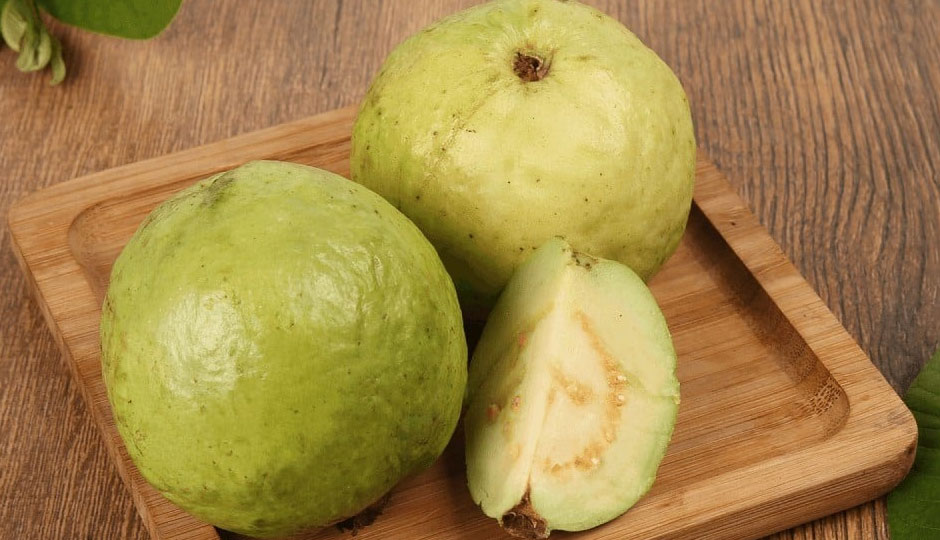
Oranges, apples, papaya, guava, watermelon and pomegranate are some good options.
How to include fruits:
- Prepare a colourful fruit salad.
- Give an apple or orange as a school snack.
- Make a homemade fruit smoothie.
- Add chopped fruits to breakfast cereal.
Try offering different fruits throughout the week so children receive a variety of nutrients.
5. Give Them Homemade Vegetable Soup
Vegetables provide essential vitamins, minerals and fibre that support children's health. Homemade vegetable soup is an easy way to include several vegetables in their diet, particularly if they are selective eaters.
Carrots, spinach, peas, tomatoes, beans and pumpkin can be combined to prepare a nutritious soup.
How to prepare:
1. Wash and chop the vegetables.
2. Add them to a pan with water.
3. Cook until the vegetables become soft.
4. Add a little salt and mild seasoning.
5. Serve warm with whole-wheat toast.
This homemade soup provides hydration and nutrients while adding variety to children's meals.
6. Include Oats in Their Breakfast
Oats are a nutritious whole grain containing complex carbohydrates, dietary fibre, protein and minerals. They provide a filling breakfast and can help children maintain energy between meals.
Unlike sugary breakfast cereals, plain oats can be prepared with nutritious ingredients without adding excessive sugar.
How to include oats:
- Prepare oatmeal with milk.
- Add banana slices and ground almonds.
- Make homemade vegetable oats.
- Prepare overnight oats with yoghurt and fruit.
A wholesome oat-based breakfast can help children start their day with sustained nourishment.
7. Encourage Adequate Water Intake
Dehydration can contribute to tiredness, headaches, irritability and difficulty concentrating. Children who play outdoors or participate in sports may need to drink water regularly throughout the day.
Water is essential for maintaining body temperature, supporting digestion and transporting nutrients throughout the body.
Simple ways to encourage hydration:
- Give children water after waking up.
- Keep a reusable water bottle in their school bag.
- Offer water during outdoor activities.
- Serve water-rich foods such as cucumber, watermelon and oranges.
Encourage regular water consumption instead of relying on sugary packaged juices or energy drinks.
8. Add Dates to Their Daily Diet
Dates contain natural sugars, carbohydrates, potassium, magnesium and dietary fibre. They provide a convenient source of energy and can be included in homemade snacks.
They are particularly useful as an alternative to sweets and highly processed snacks.
How to include dates:
- Offer one or two small dates, depending on the child's age.
- Blend dates into a banana smoothie.
- Prepare homemade date and nut balls.
- Add finely chopped dates to porridge.
Remove pits and chop dates into age-appropriate pieces to reduce choking risks.
9. Give Them Homemade Yoghurt
Yoghurt is a nutritious food that provides protein, calcium and vitamin B12. It may also contain beneficial live cultures that support digestive health.
A healthy digestive system helps the body absorb nutrients needed for normal growth and development.
How to include yoghurt:
- Serve plain yoghurt with breakfast.
- Prepare homemade fruit yoghurt.
- Make a banana and yoghurt smoothie.
- Serve yoghurt with rice or vegetable dishes.
Choose plain, unsweetened yoghurt rather than flavoured varieties containing excessive added sugar.
10. Include Sweet Potatoes in Their Meals
Sweet potatoes are nutritious root vegetables containing complex carbohydrates, fibre, potassium and beta-carotene, which the body converts into vitamin A.
They provide energy while contributing to children's nutritional requirements.
How to include sweet potatoes:
- Serve boiled or roasted sweet potatoes.
- Prepare homemade sweet potato cutlets.
- Add mashed sweet potatoes to vegetable dishes.
- Make sweet potato parathas.
They are a good alternative to heavily processed snacks.
11. Prepare a Homemade Banana and Peanut Butter Smoothie
A homemade banana and peanut butter smoothie combines carbohydrates, protein and healthy fats. It can be a filling snack for children who need additional nourishment between meals.
Ingredients:
- 1 small ripe banana
- 1 glass of milk
- 1 teaspoon smooth peanut butter
- A little cinnamon (optional)
Preparation:
1. Peel and slice the banana.
2. Add the banana, milk and peanut butter to a blender.
3. Blend until smooth.
4. Serve immediately.
Avoid peanut butter if your child has a peanut allergy. Use only age-appropriate consistency and portions.
12. Encourage Eating a Balanced Breakfast
Breakfast is an important meal because it provides nutrients after the overnight fasting period. A balanced breakfast can help children feel satisfied and support concentration and physical activity during the morning.
Skipping breakfast may make it harder for some children to meet their nutritional needs.
Healthy breakfast options include:
- Vegetable poha with yoghurt.
- Whole-wheat vegetable sandwiches.
- Idli with sambar.
- Oatmeal with milk and fruit.
- Boiled eggs with whole-wheat toast.
- Vegetable paratha with plain curd.
Try to include a combination of protein, whole grains, fruits or vegetables.
13. Give Them Iron-Rich Foods
Iron is an essential mineral that helps the body produce haemoglobin, which carries oxygen in the blood. Insufficient iron can cause iron-deficiency anaemia, leading to tiredness, weakness and reduced concentration.
Including iron-rich foods in children's meals can help meet their nutritional requirements.
Good dietary sources of iron include:
- Spinach and other green leafy vegetables.
- Lentils and chickpeas.
- Kidney beans.
- Fortified cereals.
- Meat and eggs, where included in the diet.
Combine plant-based iron sources with vitamin C-rich foods such as lemon, guava and oranges to improve iron absorption.
If a child frequently experiences tiredness or weakness, consult a paediatrician rather than giving iron supplements without medical advice.
14. Encourage Outdoor Play and Physical Activity
Regular physical activity is important for maintaining children's stamina, muscle strength and overall fitness. Although it may seem that exercise uses energy, regular age-appropriate activity can improve physical endurance and support better sleep.
Children should have opportunities to play, run, cycle, dance and participate in activities they enjoy.
Simple activities include:
- Cycling in a safe area.
- Playing badminton.
- Running and jumping games.
- Dancing to favourite songs.
- Playing football or cricket.
For children aged 6–17, the general recommendation is at least 60 minutes of moderate-to-vigorous physical activity daily. Younger children also need plenty of active play throughout the day.
15. Ensure They Get Enough Sleep
Sleep is essential for children's physical growth, brain development, memory and emotional well-being. Insufficient sleep can make children feel tired, irritable and less interested in everyday activities.
Establishing a consistent bedtime routine can help children get the rest they need.