- Home›
- Healthy Living›
- 12 Health Benefits Of Sabudana
12 Health Benefits Of Sabudana
By: Priyanka Maheshwari Fri, 20 Nov 2026 10:37:01
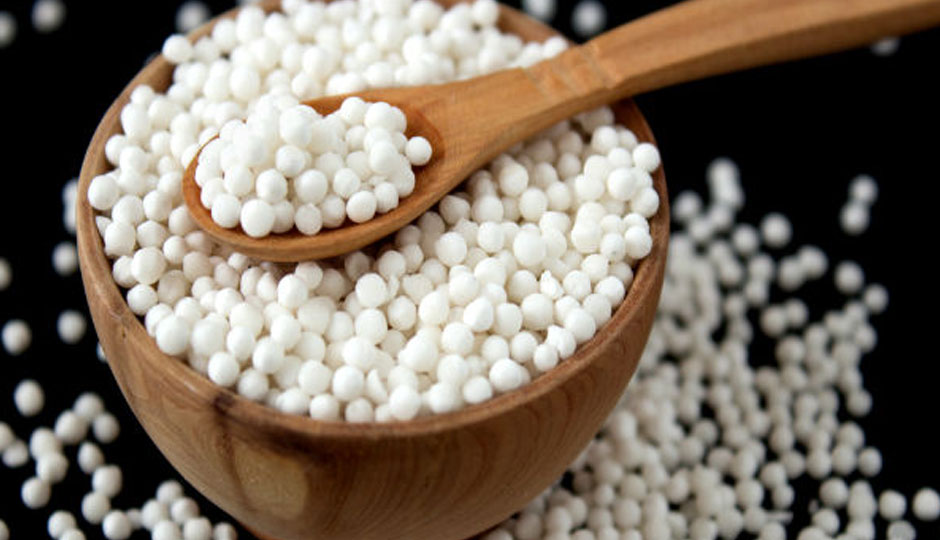
Sabudana, also known as tapioca pearls or sago, is a popular food ingredient widely consumed in Indian households. Made from the starch extracted from cassava (tapioca) roots, sabudana is known for its small, white, pearl-like appearance and soft, chewy texture when cooked. It is particularly popular during fasting periods in India, especially Navratri, Ekadashi and Mahashivratri, but it is also enjoyed as a regular breakfast or snack.
Sabudana is commonly used to prepare a variety of delicious dishes, including sabudana khichdi, sabudana vada, sabudana kheer and sabudana papad. Apart from its versatility and taste, it is valued for providing carbohydrates, which serve as an important source of energy for the body.
Although sabudana is primarily a source of starch and contains relatively small amounts of protein, fibre, vitamins and minerals, it can be included in a balanced diet when combined with nutritious ingredients such as peanuts, vegetables, milk and curd.
1. Provides Instant Energy
One of the most recognised benefits of sabudana is its ability to provide energy. It is rich in carbohydrates, particularly starch, which the body breaks down into glucose to fuel its daily activities.
This makes sabudana a useful food choice for people who need an energy-rich meal, particularly after physical activity or during periods when their food intake is limited.
- Helps replenish energy levels.
- Provides fuel for everyday physical activities.
- Can be included in breakfast for an energy-rich start to the day.
- May help support energy recovery after exercise when included in a balanced meal.
2. Supports Weight Gain
Sabudana is calorie-dense because it contains a high proportion of carbohydrates. Therefore, it can be helpful for people who are trying to gain weight in a healthy way.
Adding sabudana to meals with milk, nuts, peanuts or curd increases the overall calorie and nutrient content. This can make it easier for people with higher calorie requirements to meet their daily energy needs.
However, sabudana alone does not guarantee healthy weight gain. A balanced diet containing adequate protein, healthy fats, vitamins and minerals is equally important.
3. Easy to Digest for Many People
Sabudana is primarily composed of starch and contains very little fibre. Its soft texture after cooking makes it relatively easy to chew and digest for many people.
It can be a convenient food option when someone prefers a simple, soft and light meal.
- Its cooked texture is soft and gentle to chew.
- It contains little dietary fibre.
- It can be prepared as a simple porridge or khichdi.
- It provides carbohydrates without adding a large amount of fat.
However, individual digestive tolerance varies, and sabudana is not a treatment for digestive disorders.
4. Naturally Gluten-Free
Another important benefit of sabudana is that it is naturally gluten-free. It does not contain wheat, barley or rye proteins.
This makes it a suitable carbohydrate option for people with coeliac disease or gluten intolerance, provided the product has not been contaminated with gluten during processing or packaging.
Sabudana can be used to prepare gluten-free dishes such as khichdi, kheer and pancakes.
People with coeliac disease should always check product labels and preparation practices to avoid cross-contamination.
5. Helps Replenish Energy After Physical Activity
People who participate in sports, workouts or physically demanding activities need sufficient carbohydrates to restore their energy reserves.
Sabudana can contribute to carbohydrate replenishment because it is rich in starch. Consuming it after exercise, along with a protein source such as milk, curd or paneer, can make a more balanced recovery meal.
For example, a bowl of sabudana khichdi with peanuts and curd provides carbohydrates, some protein and fats.
6. May Support Muscle Recovery When Combined with Protein
Sabudana is not a significant source of protein, but it can complement protein-rich foods in a balanced meal.
Carbohydrates help replenish glycogen stores, while protein supplies amino acids required for muscle repair and recovery.
You can combine sabudana with:
- Milk or curd.
- Roasted peanuts.
- Paneer.
- A protein-rich side dish.
This combination can make sabudana more suitable for people who exercise regularly.
7. Provides a Quick Source of Carbohydrates
The body relies on carbohydrates as one of its primary energy sources. Sabudana contains a high amount of starch, which is broken down during digestion to provide glucose.
This makes it particularly useful for people who need easily available dietary energy.
It can be included in breakfast, lunch or snacks depending on individual calorie and carbohydrate requirements.
8. Naturally Low in Fat
Plain sabudana contains very little fat, making it a relatively low-fat carbohydrate ingredient.
People who want to manage their fat intake can prepare sabudana dishes using moderate amounts of oil or ghee.
However, the nutritional value of the final dish depends on how it is prepared. Deep-fried sabudana vada or recipes containing excessive ghee and sugar can be considerably higher in calories and fat.
9. Suitable for Vegetarian and Vegan Diets
Sabudana is derived from cassava roots, making it a plant-based food.
It is suitable for vegetarian and vegan diets and can be used in different preparations without animal-derived ingredients.
For example:
- Sabudana khichdi with peanuts.
- Sabudana vada.
- Sabudana porridge prepared with plant-based milk.
- Sabudana pancakes.
It is important to combine it with other plant-based foods to improve the overall nutritional balance of the meal.
10. Can Be Included in a Balanced Diet During Fasting
Sabudana is particularly popular during religious fasting in India because it provides carbohydrates and can be prepared using commonly accepted fasting ingredients.
It is often combined with potatoes, peanuts, cumin, green chillies and rock salt to prepare sabudana khichdi.
A serving can provide energy during fasting periods when regular meals are restricted.
However, sabudana is not nutritionally complete. Including milk, curd, nuts and other permitted nutrient-rich foods helps provide additional protein and essential nutrients.
11. Provides Some Essential Minerals
Although sabudana is not particularly rich in micronutrients, it contains small quantities of minerals such as calcium, iron and potassium.
These minerals perform several important functions in the body:
- Calcium contributes to maintaining healthy bones and teeth.
- Iron supports haemoglobin production and oxygen transport.
- Potassium helps regulate fluid balance and supports normal muscle and nerve function.
However, sabudana should not be considered a major source of these nutrients. Other foods such as dairy products, leafy vegetables, pulses, nuts and seeds are more nutritionally valuable sources.
12. Can Help Meet Increased Energy Requirements
People with higher energy requirements may benefit from including sabudana in their regular meals.
For example, individuals with physically demanding routines, athletes and people trying to increase their calorie intake can use sabudana as a convenient carbohydrate source.
Its versatility makes it easy to incorporate into different meals, including breakfast, snacks and desserts.
However, people with diabetes or those monitoring their carbohydrate intake should pay attention to portion sizes.