9 Interesting Facts To Know About Kashmir Valley
By: Priyanka Maheshwari Fri, 20 Nov 2026 10:10:25
Jammu and Kashmir, nestled in the northernmost part of India, is often described as 'Heaven on Earth'. Known for its breathtaking landscapes, snow-covered mountains, lush green valleys and rich natural resources, the region is famous for premium cash crops such as walnuts and saffron. The mighty Himalayas stretch across its northeastern side, creating several picturesque valleys, including the Kashmir Valley, Sindh Valley, Lidder Valley, Poonch Valley, and the Tawi and Chenab valleys.
Beyond its natural beauty, the Kashmir Valley has a fascinating history, diverse culture and unique traditions. From its famous tourist destinations to its traditional clothing and distinctive lifestyle, there is plenty to discover about this beautiful region.
Here are nine interesting facts about the Kashmir Valley that will help you understand its history, geography and cultural significance.
1. A Glimpse into Kashmir's History and Administration
Kashmir has a rich historical and cultural heritage shaped by several religions and dynasties. Hinduism flourished in the region in ancient times, followed by the spread of Buddhism. Islam later became influential, particularly during the medieval period, with the arrival of various Muslim rulers and dynasties.
The larger Kashmir region is currently administered by India, Pakistan and China in different areas. The Kashmir Valley, which includes some of the region's most prominent cities and tourist destinations, is administered by India.
2. Understanding the Difference Between Kashmir and the Kashmir Valley
Although the terms Kashmir and Kashmir Valley are often used interchangeably, they do not mean exactly the same thing. Kashmir refers to a much larger geographical region, parts of which are administered by India, Pakistan and China.
The Kashmir Valley, on the other hand, is a specific geographical area located between the Pir Panjal mountain range in the southwest and the Himalayan ranges in the northeast. The Jhelum River is the principal river flowing through the valley, playing an important role in its geography and agriculture.
3. Home to Some of Kashmir's Most Popular Tourist Attractions
The Kashmir Valley is famous for its spectacular tourist destinations, attracting visitors throughout the year. Srinagar, Gulmarg, Sonamarg and Pahalgam are among the most popular places to explore.
Some of the valley's most beautiful attractions include Shalimar Bagh, Chashme Shahi and Pari Mahal. Nature lovers can also enjoy the scenic beauty of Dal Lake, Wular Lake and Manasbal Lake. From colourful Mughal gardens and peaceful lakes to snow-covered mountain landscapes, the valley offers something special for every traveller.
4. Four Beautiful Seasons and Two Capitals
The Kashmir Valley experiences four distinct seasons: spring, summer, autumn and winter. Each season transforms the landscape in a different way. Spring brings colourful flowers and blossoming gardens, while summer offers pleasant weather. Autumn paints the famous Chinar trees in shades of red, orange and gold, and winter covers the mountains and surrounding areas with snow.
Srinagar serves as the summer capital of Jammu and Kashmir, while Jammu is its winter capital. This seasonal administrative arrangement reflects the region's changing weather conditions.
5. The Unique Story of Dual Citizenship
Kashmir once had a special constitutional status under Article 370, along with certain distinct legal and administrative provisions. However, it is important to clarify that residents of Jammu and Kashmir did not hold a separate citizenship in addition to Indian citizenship. They were Indian citizens, although the former state had special constitutional provisions before Article 370 was effectively abrogated in August 2019.
6. A Diverse Population and Rich Cultural Heritage
The Kashmir Valley is home to a culturally diverse population, with Muslims forming the majority. Hindu, Sikh and other communities also contribute to its cultural heritage. Gujjars and Bakarwals are among the important communities living in the mountainous areas, many of whom have traditionally followed pastoral and nomadic lifestyles.
Kashmiri is widely spoken across the valley, while Urdu is also used in communication and administration. Hindi and English are understood and spoken by many residents, particularly in urban areas and tourist destinations.
7. Experience a Unique Stay in a Houseboat or Shikara
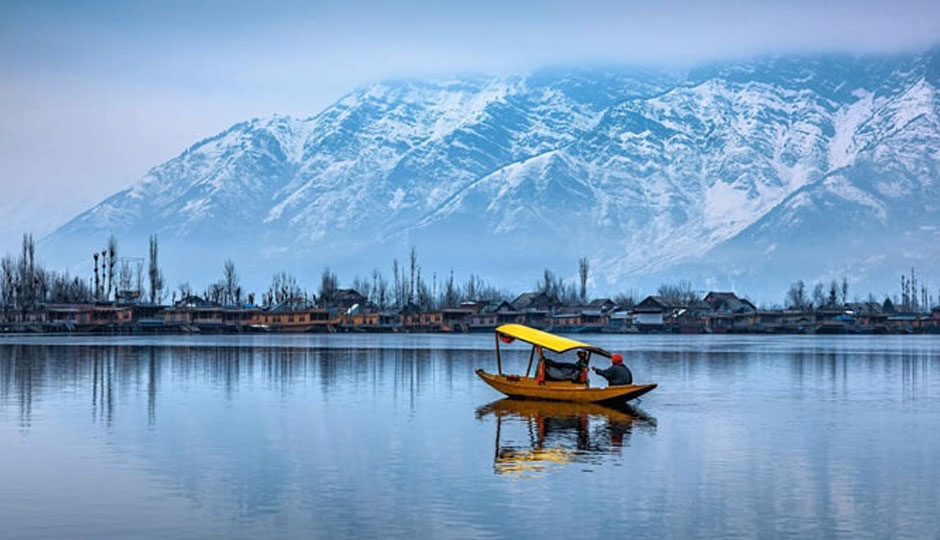
One of the most memorable experiences in Kashmir is staying in a traditional houseboat on Dal Lake or Nigeen Lake. These beautifully decorated floating accommodations offer visitors a chance to enjoy the peaceful surroundings and scenic beauty of the valley.
A Shikara ride is another experience that should not be missed. These traditional wooden boats take visitors across the lakes, offering beautiful views of the mountains, floating gardens and lakeside markets.
8. Discover Kashmir's Unique Traditional Products
Kashmir is renowned for its traditional handicrafts, clothing and locally made products. The Pheran, a traditional loose-fitting garment, is especially popular during the cold winter months.
Other distinctive items include the Samovar, a traditional metal vessel used for preparing and serving tea, and the Kangri, a portable earthen fire pot surrounded by a woven wicker basket that provides warmth during winter.
Kashmir is also famous for its handcrafted walnut-wood furniture, intricate wood carvings, traditional carpets, embroidered shawls and beautiful souvenirs. These products reflect the region's exceptional craftsmanship and artistic traditions.
9. India's Longest Railway Tunnel
The Pir Panjal Railway Tunnel, also known as the Banihal Railway Tunnel, is an important engineering achievement in Jammu and Kashmir. It is approximately 11.2 kilometres long and connects the Banihal area with the Kashmir Valley.
The tunnel is part of the railway network that has significantly improved connectivity between the Kashmir Valley and other parts of the country. Its construction has made railway travel through the mountainous region more convenient, reducing dependence on challenging road routes.